SD vs MicroSD: Why it’s Sometime Better to invest on the Tinier Variant
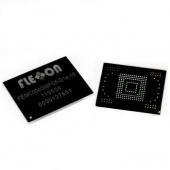
Today,
a lot many people can be seen seeking the difference between SD and microSD
cards. Some are actually bewildered whether a microSD card can replace an SD
card, while others look for technical aspects which make these much-sought
after storage devices different from each other. If you fall in the former category of people,
let me make it simple for you – most devices which accept standard SD cards
will also adopt microSD cards. However, users may need a SD card adapter or USB
plug-in adapter in some cases.
The
main objective behind inventing MicroSD cards was to render the storage system
with extra memory. They are smaller than standard SD memory cards. But when it
comes to the functionality, both are almost same. Initially, it was noted that
the standard-size SD cards are usually less expensive, yet faster than the
standard microSD cards. But over the years, manufacturers have come up with
microSD cards that have features and functionality as lucrative as of the SD
cards, narrowing the gap between the two storage devices. Flexxon’s microSD 3.0
card comes with an 8-pin interface and can operate at a frequency up to 208MHz.
It can also detect and correct data error and that too at very low power
consumption. The Card capacity could be more than 64GB.
Many
a times, we see that the Card Is Labeled “SDHC” or “SDXC”. Now, what
does it entail? HC and XC are actually the indicants of the cards possessing
advanced technology boost up their performance and processing times. Such cards
also come with additional memory. For instance, the capacity of Flexxon’s
microSD 3.0 cards could be up to 2TB if they are combined with XC. Now they
will be denoted as SDXC (Extended Capacity SD Memory Card). Another interesting
feature of microSD cards is that they are more versatile. Combined with an
adaptor, a microSD card can be used in almost all electronic devices supporting
storage system. It is to note that not all devices can handle the faster file
processing. So make sure you carefully check if your device could actually
accept an HC/XC. These cards are commonly used in industrial storage system.
Needless to say that there is motley assortment of Micro SD cards available in market. Their storage capacities range from 1 GB, 40GB SSD, 80GB SSD to 128GB. Which one to buy largely depends upon your needs in terms of storage capacity. It is always suggested to buy the appropriate sized one for your device. My go-to microSD card, for industrial usage, is Flexxon’s Micro Secure Digital 3.0 cards. Due to their high performance, good reliability and impressive compatibility, these devices are highly sought after among enterprises, especially where data storage load is high. Besides exciting features – fully compliant with the standards released by the SD Card Association - they are highly affordable, and hence make for a good alternate to their larger counterparts.
Post Your Ad Here
Comments