Overclocking Your CPU? Few Things to Consider If You Plan to
A lot of people don't know what overclocking actually is, but they certainly heard the term used before. If you're also wondering the same thing, then you should know that overclocking refers to an increase in the frequency of a certain computer part (generally the CPU or GPU) beyond its stock value. In general, people do this so they don't have to purchase more expensive computer parts that can sometimes be very expensive for the performance gains they offer.
Can You Overclock?

While some CPUs can be overclocked, some of them cannot and this only depends on the manufacturer of the CPU and your motherboard. For instance, certain CPUs ship with locked multipliers which means that you cannot overclock them. However, if you're a die hard fan of overclocking every CPU you own, then you can go ahead and purchase the EE or Extreme Edition CPU from Intel, which comes with unlocked multipliers. This way, you'll be able to squeeze a lot more performance from it without shelling out more money for it.
Cooling is Vital

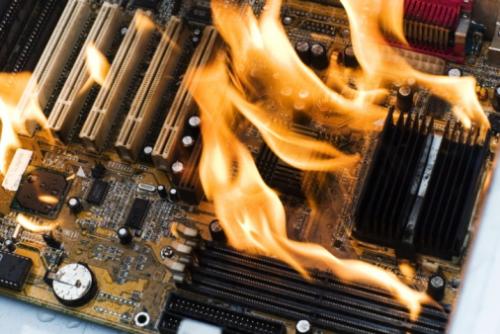
It's very important to bear in mind that overclocking
produces a lot of heat and this means that you need to have a very effective
cooling system in place if you don't want to risk frying your CPU or GPU,
depending on which of them you want to OC. While air cooling is enough if you
don't want to OC your CPU too much, if you want to take it to the extreme, then
a liquid cooling system is mandatory.
The Cons
As you probably know, overclocking your CPU is not something that you should be doing and on top of that, doing so comes with dangers and will void its warranty. If you don't do it properly, and you also don't have a proper cooling system, then don't be surprised if your CPU gets fried in the process. There are also cases when the overclock may apparently cause no issues, but it's not uncommon for users to experience multiple system restarts and crashes.
Myth: Different Models Of The Same Chip Can Be Overclocked To The Same Capacity As Others
Certain processors cannot be overclocked but a few hundred MHz past their stock frequency which means that you are not going to get but a maximum performance improvement of approximately 10%. On the other hand, there are also CPUs that are more easily overclockable, such as the i5 750 for instance which can be taken from its stock value of 2.66 GHz all the way to 4 GHz and beyond. However, in this case, you need to have nitrogen cooling or maybe water cooled system to avoid damaging it. Also, if you're the type who loves to overclock every new CPU they buy, make sure that the one you get is (easily) overclockable.
Post Your Ad Here
Comments