Ladder Safety Tips and Techniques for the Workplace
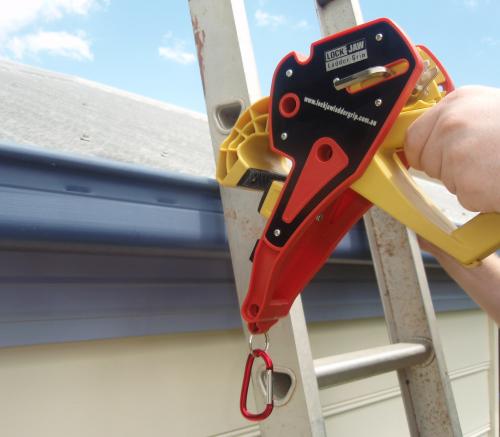
Falling from heights is one of the major dangers of workplace hazards that result in injuries and deaths across a wide range of industries in Australia, with about 30 percent of these accidents taking place in the construction industry. What has been found out is that working with ladders is quite big of a hazard in itself.
According to a survey conducted for over a period of two years, it was found that around 5000 injuries and 12 deaths were associated with ladder use in the construction industry. The Prevention of Falls of the 'Occupational Health and Safety Regulations (2007)' basically aims specifically at falls from elevations of beyond two metres, which causes greater number of deaths every year.
Fundamentally, the regulations state that ladders must be used only as the last resort when undertaking some task that has got to do with heights. Among the different types of ladders used in construction premises, the portable ones are the most common and dangerous as well. They are very less stable and users are required to be extremely careful while working with them. In order for them to be safe for use, they must comply with all the specific requirements as given in the latest editions of the relevant Australian standard.
Ladders should be used only for extremely light tasks in which there are no risks of fall involved and the user can easily steady themselves throughout the time. They should be set up on a surface that is firm, sturdy as well as non-slippery. Using ladder safety product is also necessary to eliminate any other associated risk. Extension and single ladders will have to be fixed or footed against movement by a second person. They should be long enough so that the user may not have to stand any higher than 900mm from top. The ones made from metal should not be used near any electrical equipment or live power lines.
Bracket scaffolds are normally suitable for light tasks like signwriting, and must not at all be used to do something that is at a height more than a couple of metres. Trestle scaffolds must also never be employed in tasks involving risk of fall from elevations greater than 2 metres. Talking about stepladders, one should use them with proper safety measures and should be employed in such tasks as reaching high shelves in offices or schools. The people in authority should also provide adequate safety equipment as per the standards.
According to a survey conducted for over a period of two years, it was found that around 5000 injuries and 12 deaths were associated with ladder use in the construction industry. The Prevention of Falls of the 'Occupational Health and Safety Regulations (2007)' basically aims specifically at falls from elevations of beyond two metres, which causes greater number of deaths every year.
Fundamentally, the regulations state that ladders must be used only as the last resort when undertaking some task that has got to do with heights. Among the different types of ladders used in construction premises, the portable ones are the most common and dangerous as well. They are very less stable and users are required to be extremely careful while working with them. In order for them to be safe for use, they must comply with all the specific requirements as given in the latest editions of the relevant Australian standard.
Ladders should be used only for extremely light tasks in which there are no risks of fall involved and the user can easily steady themselves throughout the time. They should be set up on a surface that is firm, sturdy as well as non-slippery. Using ladder safety product is also necessary to eliminate any other associated risk. Extension and single ladders will have to be fixed or footed against movement by a second person. They should be long enough so that the user may not have to stand any higher than 900mm from top. The ones made from metal should not be used near any electrical equipment or live power lines.
Bracket scaffolds are normally suitable for light tasks like signwriting, and must not at all be used to do something that is at a height more than a couple of metres. Trestle scaffolds must also never be employed in tasks involving risk of fall from elevations greater than 2 metres. Talking about stepladders, one should use them with proper safety measures and should be employed in such tasks as reaching high shelves in offices or schools. The people in authority should also provide adequate safety equipment as per the standards.
2 people like it

Advertise on APSense
This advertising space is available.
Post Your Ad Here
Post Your Ad Here
Comments