Indoor Air Quality: How to Clean It Up
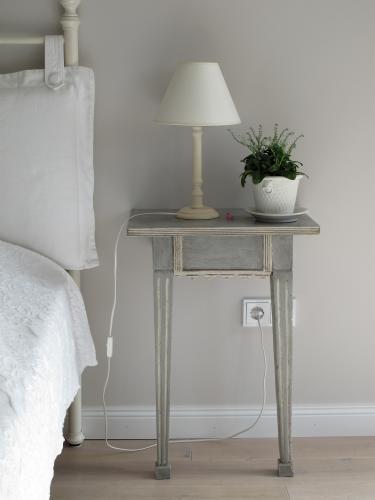
We tend to think that air pollution is just outside, but the truth is the air inside office buildings and our homes is no less different. The air inside can be polluted by lead, fire-retardants, radon, chemicals from the fragrances used in the conventional cleaners, some pollutants come into our homes via new furniture or mattresses, carpets, or a coat of paint on the wall.In that mix of bacteria, you will also find dust mites, which is a major allergen, mould and heaps of pet dander. If you are feeling more often ill while being at home, then these invisible culprits are behind all this. The deadly three indoor pollutants can kill - Carbon monoxide, Secondhand smoke and radon gas.There are many good ways to improve the air quality in your home and some of them don’t cost a thing.
Get More Plants
You may wonder what your home or office have in common with a NASA spaceship and the answer would be simple - poor air quality. Stagnant indoor environments allow pollutants to build up in greater amounts than we humans should be breathing. NASA scientists have a solution for this and it is to use houseplants to clean the air.Plants make you healthier and can improve the air quality drastically. Make sure you choose plants according to how much time, commitment and greenery experience you have.
Swap Out The Filters
Keeping filters clean is an important factor to ensure their energy performance and indoor quality is high.The HVAC system needs a replacement of the filter at least every 90 days, but still, it is important to check it monthly. Remove the debris from it, such as leaves, pollen and twigs every week during the spring, summer and autumn.
Install a Carbon Monoxide Tester
Carbon monoxide(CO) is invisible, has no odour and is extremely deadly. CO cannot be seen, nor tasted and it can kill quickly with little warning. Low levels of carbon monoxide do not kill immediately but can cause serious harm to health if breathed over a long period. The preventive measures you can take are:
- “Make sure that any work carried out in relation to gas appliances in domestic or commercial premises is done by a competent Gas Safe Registered engineer” - UK Fire Service Resources;
- The HSE strongly advises that any gas appliances and flues are installed and serviced by a Gas Safe Registered engineer, also, if you are a tenant, your landlord has a legal duty to carry out an annual gas safety check and maintain the gas appliances;
- Always make sure there is enough fresh air in the room containing your gas, solid fuel or oil appliances;
- The HSE recommends the use of audible CO alarms as an important precaution. Before purchasing such alarm, ensure it complies with British Standard EN 50291 and carries a British or European approval mark.
Increase Ventilation
Cooking can be a major source of indoor pollution, especially when you cook on a gas stove. Scientists have measured that the indoor air quality after cooking a single meal on a gas stove can produce levels of nitrogen dioxide that the EPA considers unsafe to breathe. Since opening a window will in a way let fresh air in, but it will also let all the outdoor air pollution. Instead, install vents to purify and cycle the air you breathe indoors.
Beeswax Candles
If you fancy lighting scented candles in your home, have in mind that they are a petroleum derived and release benzene, toluene and soot into the air. So, opt for beeswax candles which can ionise the air and neutralise toxic compounds. They are especially helpful to remove common allergens like dust from the air.
Clean Sweep
Though it is tempting to put off the chores, it is essential to clean your property on a regular basis. Needless to say how tidying and cleaning the floorings is an effective action to improve air quality. Carpets’ fibres absorb dust like a giant sponge and every time you take a step it sends it airborne. Vacuuming with a proper HEPA filter at least once a week, and sometimes even more for allergy sufferers, can help. Use good quality cleaners and ones that are eco-friendly to help you around the house.
Sometimes it is good to have a backup plan. Every week is different than the one before. Some are better than others for getting things done, especially when it comes to house cleaning. If you do not fancy going through the motions every week, then ensure you have a plan in place and never fall behind on your house cleaning by arranging a regular domestic cleaning that can par up with your typical regime.
Post Your Ad Here
Comments