How Trash Compactors are making Recycling Easy?
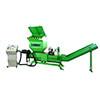
PET (polyethylene terephthalate) bottles are
proving to be an environmental concern, it accounts for more than 2 million
tons of waste, only in the US. They contain a chemical known as Bisphenol A
(BPA), which is found to be a disruptor of endocrine glands function. It is
linked to a number of health problems, from cancer to neurological diseases.
This situation warrants a number of solutions to
combat the menace PET bottles are proving to be. Out of the available
solutions, the most efficient is recycling, it not only saves from the direct
implication of plastic but also produce raw material. When a ton of plastic
bottles is recycled, it saves about 3.8 barrels of oil.
A standard PET bottle recycling process, involves
sorting of post-consumer PET, compacting them into bales, and then transporting
to recycling companies. The sorting step is a limiting factor, as you have to
individually separate it from other plastic waste, carefully. Therefore, steps
have been taken at global level to sort the PET bottles at the source only, not
disposing off as regular garbage. After sorting, the practice of compacting
them at the major source is common now. It has become possible because of the
advent of small, not-so-expensive, pet bottle compactor, available readily.
Use of Compactors
Management teams, across all businesses, are now implementing
methods to recycle PET bottles using compactor. Similarly, EPS recycling machines
are changing the practices. These machines evolved with specific needs of
recycling, efficiently compacting PET bottles that can be transported to
recycling plants. The compression ratio, which you get—about 6:1—
after compressing, makes transport a lot easy and less expensive is. You can
process about 200kgs or 400kgs per hour based on the design of a compactor.
Now days, dewatering compactors are also
available, which pull or squeeze liquid out of the bottles before compressing
them into bales. This innovation makes sorting process a less laborious task,
as there is no need emptying bottles before compacting them. Other than PET
bottles dewatering compactor can also be used to dewater HDPE bottles,
Aluminum cans, beverage cartons and yogurt cups. World’s leading beverage
companies, such as PEPSI and Nestle, are using dewatering compactor as a
solution to recycle their over-dated bottles.
Benefits of compactor
Compacted trash leads to lesser carbon footprint
of a company. Due to the better management of waste, the plastic waste goes to
recycling plants, which otherwise could have ended at landfills.
Compacting at the source of generation produces
incredible benefits. You benefit in terms of get tax write-offs and reduced waste
transportation cost, as well as labor cost.
The compacted trash leads to
efficient use of space within the facility. The compacted waste is clean and easy
to handle. Spills and overflows are eliminated inside the facility and around
dumpsters.
Post Your Ad Here
Comments