How to Avoid Food Borne Diseases
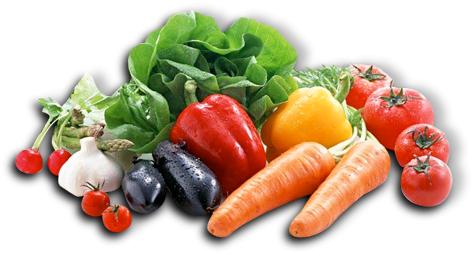 Food contamination could be a serious issue if not given attention at the right moment. How many of you actually have a fair idea about which food are prone to develop bacteria
fast and which are not? As a matter of fact, we think most of us don’t have the appropriate idea about how to avoid food borne diseases. While in some cases a few types of food
borne diseases don’t pose any dangerous health risks, some could be a matter of concern. So you can’t actually say what kind of exposure can actually turn out to be more
serious. So it’s best not to ignore the matter and take best preventive measures.
Food contamination could be a serious issue if not given attention at the right moment. How many of you actually have a fair idea about which food are prone to develop bacteria
fast and which are not? As a matter of fact, we think most of us don’t have the appropriate idea about how to avoid food borne diseases. While in some cases a few types of food
borne diseases don’t pose any dangerous health risks, some could be a matter of concern. So you can’t actually say what kind of exposure can actually turn out to be more
serious. So it’s best not to ignore the matter and take best preventive measures.How to Avoid Food Borne Diseases?
Cleanliness:
We can’t stress this enough. Food hygiene is too important for this type of issues. Whether you’re cooking vegetables or meat, remember to wash them thoroughly
before you use them. Although big supermarkets claim to have safe foods, because most of their food ingredients go through detailed cleaning and washing process, it’s not bad to
be double sure and clean them on your end.
Seal Packed Food container or Jars:
The most common reason for the increasing number of food borne diseases is improper food handling process. A few food ingredients are prone
to develop bacteria when they come into the contact of environment or some other ingredients. The best way to ignore such incidence is avoiding buying cans that are dented. It
might mean the food is contaminated. The same way a food jar with a loose lid can contain contaminated food. A product with a damaged or tampered seal should be returned
immediately.
Buy Eggs Carefully: We know you’re very much aware of egg benefits. But, are you aware of the fact the cracked egg shells can be bad for health? Yes, a bacteria called
Salmonella enteritidis can enter through the crack and thrive inside the eggs. Don’t expose yourself to such conditions. It’s also advisable to eat only hard boiled eggs. Soft
boiled or undercooked eggs pose greater health risks.
Cook Meat Well to Avoid Food Borne Diseases:
Meat is quite vulnerable to the growth of bacteria. So make sure you cook it properly. Raw meat can bear harmful bacteria. Cooked
meat reduces the possible dangers to a great extent. You can use a meat thermometer to know if the meat is cooked properly.
Don’t Keep Frozen Foods in Room Temperature for Long: Frozen foods need to be refrigerated most of the times. Don’t keep them at room temperature for long. If it takes you more
than an hour to get the groceries from the supermarket, it’s best to use an ice chest for the frozen foods.
The bottom line, to avoid the food borne diseases, foods should be handled in a right way.
Advertise on APSense
This advertising space is available.
Post Your Ad Here
Post Your Ad Here
Comments