How to administer methoxyflurane
"Medicine is a science of uncertainty and an art of probability." – William Osler
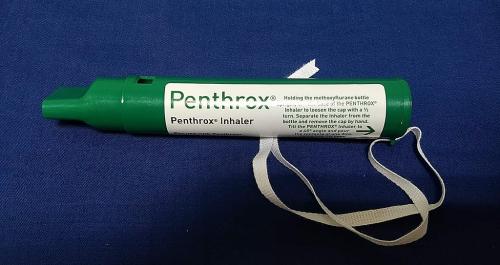
Methoxyflurane, also known as Penthrox, is a powerful analgesic gas used for the treatment of acute pain. It has been widely used in Australia and Europe for many years, and it has recently been approved for use in the United States. Methoxyflurane is a non-opioid painkiller that is administered through a handheld inhaler. The drug provides rapid pain relief with minimal side effects, making it an attractive option for both patients and healthcare providers.
But, like all medicines, methoxyflurane needs to be given in the right way to be safe and effective. If methoxyflurane is given in the wrong way, it can cause problems like slowed breathing, low blood pressure, and even death.
Therefore, it is essential to have a thorough understanding of the correct administration techniques.
The goal of this article is to show, step-by-step, how to give methoxyflurane safely. We will talk about how to choose the right patients, how to use the inhaler correctly, and how to watch for and deal with possible side effects.
Preparing to administer methoxyflurane
1. Understanding the Patient's Medical History and Current Medications
Before administering methoxyflurane, it is essential to understand the patient's medical history and current medications. Methoxyflurane may interact with other medications or exacerbate pre-existing medical conditions. For instance, methoxyflurane should not be used in patients with severe liver disease or a history of malignant hyperthermia. Healthcare professionals should also ask patients if they have any allergies or sensitivities to medications, as methoxyflurane may cause an allergic reaction in some patients.
2. Checking the Expiry Date and Integrity of the Methoxyflurane Canister
Before administering methoxyflurane, healthcare professionals must check the expiration date and integrity of the methoxyflurane canister. Methoxyflurane canisters have a shelf life of three years, and expired canisters may not be as effective or safe to use. Healthcare professionals should also inspect the canister for any signs of damage or leakage, as this may affect the quality of the methoxyflurane.
3. Necessary Equipment Needed to Administer Methoxyflurane
To administer methoxyflurane, healthcare professionals will need several pieces of equipment, including the Penthrox inhaler and oxygen saturation monitor. The Penthrox inhaler is a handheld device that delivers methoxyflurane to the patient. It is equipped with a dose indicator that displays the remaining amount of methoxyflurane in the canister. The oxygen saturation monitor is used to measure the patient's oxygen saturation levels and ensure they are receiving enough oxygen while using methoxyflurane.
Administering methoxyflurane
Here's how to properly administer methoxyflurane:
1. Assembling the Penthrox Inhaler
Before use, the Penthrox inhaler must be assembled correctly. To assemble the inhaler, follow these steps:
Open the package containing the inhaler and remove the parts.
Remove the cap from the inhaler mouthpiece.
Take the methoxyflurane canister and insert it into the inhaler mouthpiece, making sure it fits snugly.
Replace the cap on the inhaler mouthpiece.
2. Administering
To administer methoxyflurane, follow these steps:
Instruct the patient to exhale fully.
Place the inhaler mouthpiece in the patient's mouth and instruct them to inhale deeply.
Hold the inhaler firmly in place while the patient breathes normally.
After 1-2 breaths, instruct the patient to exhale and remove the inhaler from their mouth.
Wait for the patient to feel the analgesic effects before administering another dose, usually after 5-10 minutes.
The recommended maximum daily dose of methoxyflurane is 6 mL, and the recommended duration of use is no more than 30 minutes.
3. Monitoring Vital Signs
It's important to monitor the patient's vital signs while administering methoxyflurane. This includes checking their oxygen saturation and respiratory rate regularly. If there are any signs of respiratory depression or hypoxia, methoxyflurane administration should be discontinued immediately.
Managing potential side effects and complications
Methoxyflurane has the potential to cause a variety of side effects in patients.
The most common side effects are dizziness, nausea, drowsiness, confusion, and headaches.
Methoxyflurane can cause a dry mouth, blurred vision, vertigo, an increased heart rate, and muscle twitching.
If any of these side effects become severe or bothersome, it is important to notify your healthcare provider immediately.
When administering methoxyflurane, there is always a risk of serious complications, such as respiratory depression and allergic reactions.
To prevent these potential complications, it is important to closely monitor the patient during and after the administration of the drug.
It is also important to make sure that the patient is not taking any other medications that could interact with methoxyflurane and cause adverse reactions.
Any changes in the patient’s condition should be reported to the healthcare provider immediately.
Importance of Monitoring
It is important to monitor the patient for at least two hours after the administration of methoxyflurane to ensure that there are no serious side effects or complications. During this time, it is important to make sure that the patient’s vital signs remain stable and that they are not experiencing any breathing problems or other issues. If any changes are noticed, it is important to report them to the healthcare provider immediately.
Conclusion
In the end, giving methoxyflurane to a patient requires proper planning and monitoring to make sure the patient is safe and gets the best results. Methoxyflurane is a strong pain reliever that can help patients in a wide range of clinical settings, such as emergency rooms and outpatient clinics.
However, it is crucial to adhere to safety protocols and guidelines during its administration. Before giving methoxyflurane, doctors should look at the patient's medical history and current medications to see if there are any contraindications or interactions that could cause problems. Preparing well means making sure the patient is well hydrated and has access to oxygen if they need it.
During administration, the patient's vital signs and level of consciousness need to be closely watched so that any side effects can be caught quickly. To avoid an overdose of methoxyflurane, which can cause breathing problems, low blood pressure, and other serious problems, it is also important to follow dosage instructions carefully. Healthcare providers must also educate patients on how to use methoxyflurane safely and provide them with clear instructions on how to manage potential side effects.
In conclusion, the safe and effective use of methoxyflurane requires a collaborative effort between healthcare providers and patients. By following safety protocols and guidelines and keeping a close eye on patients, healthcare providers can help make sure that people who use methoxyflurane to treat pain have the best possible outcomes.
Post Your Ad Here
Comments