10 Common Misconceptions About Using Oxygen Concentrators
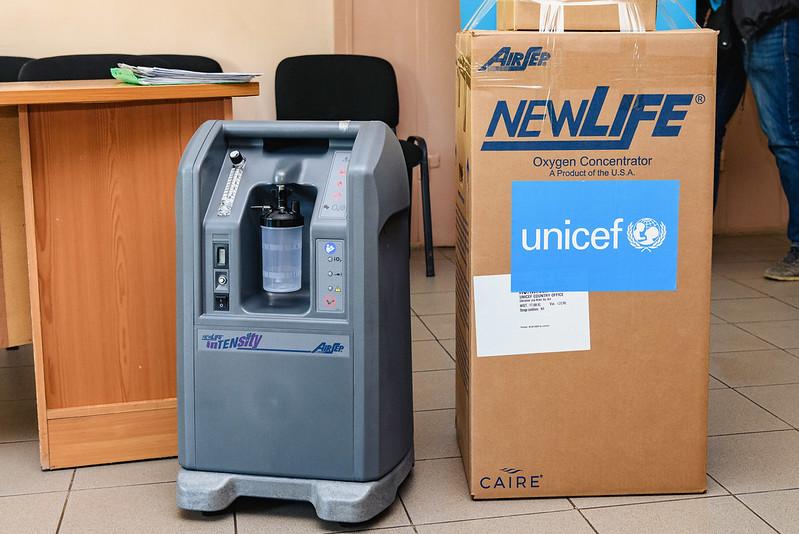
Oxygen concentrators have become an indispensable tool in healthcare, especially during times when respiratory health is compromised.
These devices are used to provide supplementary oxygen to individuals who suffer from low oxygen levels in their blood, a condition that can result from chronic illnesses such as Chronic Obstructive Pulmonary Disease (COPD), pneumonia, or even severe COVID-19 complications.
An oxygen concentrator draws in air from the environment, purifies it, and then delivers it to the user in a more concentrated form.
Aware of the worldwide demand for more oxygen availability, the World Health Organisation (WHO) led initiatives to provide it to the most vulnerable groups during the early phases of the COVID-19 pandemic.
One of the first plans was to increase oxygen delivery by sending pulse oximeters and oxygen concentrators to countries without the means to treat important patients.
Throughout the epidemic, both at home and in hospitals, the use of oxygen concentrators increased significantly. Despite their widespread use, there are still many misconceptions about these life-saving devices.
False information could cause incorrect application, lower effectiveness, and even safety issues. This blog aims to clear the 10 most common misconceptions about oxygen concentrators so that consumers can better understand their appropriate use and limits.
Misconception 1: Oxygen Concentrators Are the Same as Oxygen Cylinders
When needed, the user releases a set volume of compressed oxygen from an oxygen cylinder. Once it runs empty, the cylinder is more suitable for temporary or emergency use, as it requires constant replacement or replenishment.
On the other hand, an oxygen concentrator removes nitrogen, constantly pulls in air from the surroundings, and provides concentrated oxygen. It operates not only on a power source, but also on an infinite supply of air.
Advantages of an oxygen concentrator:
- There is no need for refills, making it practical and economical for long-term use.
- Constant oxygen delivery, which is ideal for house environments.
- Safer than high-pressure oxygen tanks; improper handling of either might cause a hazard.
Misconception 2: Humidifiers are required when using an oxygen concentrator
Another commonly held belief is that you cannot use an oxygen concentrator without water. Typically, people connect humidifiers to oxygen concentrators to add moisture to the supplied oxygen, even though they are not necessary.
A humidifier bottle provides moisture to the oxygen stream, reducing nasal dryness and discomfort, especially when running at higher flow rates. However, at lower flow rates (usually less than 4 Litres per minute), the air dries less, and many users may easily use an oxygen concentrator without water.
Having said that, many consumers would rather attach humidifiers, especially in dry locations or when oxygen is being provided for long lengths of time, since moisture may make the experience more pleasant.
Misconception 3: Oxygen Concentrators Are Dangerous to Use at Home
While oxygen concentrators require proper handling and maintenance, they are generally safe and effective for home use when operated correctly. However, modern oxygen concentrators incorporate numerous safety safeguards to ensure their responsible use outside of hospitals.
Most oxygen concentrators provide alarms for a variety of problems, including power failure, oxygen purity levels falling below acceptable limits, and high temperature alerts.
For home use, these gadgets are quite safe if used as advised by the manufacturer. Still, like any medical equipment, it's important to follow recommendations for location (avoid putting it close to heat sources) and maintenance (clean filters as directed).
Misconception 4: Oxygen Concentrators Provide Unlimited Oxygen
Although oxygen concentrators never run out of oxygen (as long as they have electricity), they do not provide endless oxygen. These devices usually draw in air from the surrounding environment and concentrate it, depending on the type; each concentrator has a maximum flow rate it can give.
Oxygen cylinders or sophisticated respiratory devices may be more suitable for individuals who need higher flow rates or specific oxygen concentrations (over 90%), particularly for those with severe respiratory problems.
For mild to severe cases, oxygen concentrators are a helpful fix; however, they might not meet all patients’ needs, especially in cases requiring uninterrupted power supply. Since concentrators rely on electricity, their effectiveness can be limited during power outages or in areas with unreliable power sources.
Misconception 5: Only Patients with Severe Respiratory Conditions Need Oxygen Concentrators
While oxygen treatment is sometimes associated with severe diseases such as COVID-19 or COPD, its application is not exclusive to these conditions. Oxygen treatment helps many patients with either transient or persistent respiratory problems.
This covers people suffering from asthma, sleep apnoea, pulmonary fibrosis, or even those recovering from surgery or respiratory infections.
By raising oxygen levels, these devices can improve general well-being, raise energy levels, and even stop damage to important organs caused by prolonged oxygen deprivation.
Misconception 6: All Oxygen Concentrators Are the Same
Oxygen concentrator production is not consistent. There are several types on the market with varying capacities, oxygen flow rates, and features designed to satisfy various purposes. Some concentrators, for instance, are made for mobility with reduced flow rates, while others may offer larger flow rates—up to 10 litres per minute.
The suitable oxygen concentrator relies on:
- The patient's oxygen needs.
- Whether a fixed gadget will suffice or portability—for mobile use—is absolutely necessary.
- Other desirable characteristics include ease of use, energy economy, and noise levels.
- See a healthcare specialist to determine which model best suits the user's medical needs and lifestyle.
Misconception 7: Portable Oxygen Concentrators Work Just Like Stationary ones
Portable oxygen concentrators (POCs) have grown very popular because of their small scale and simplicity of use. Still, they are not a straight replacement for stationary oxygen concentrators.
Typically, due to their lower oxygen production, portable devices may not meet the needs of individuals who require higher flow rates. Furthermore, unlike fixed devices that can operate continuously when connected to a power source, portable concentrators rely on their battery life, thereby limiting their use time between charges.
Those with moderate respiratory problems who wish to keep an active lifestyle will find portable oxygen concentrators rather handy. Still, a stationary concentrator might be better suited for constant oxygen supply in more severe diseases.
Misconception 8: Oxygen Therapy Is Addictive
There is a common misconception about oxygen treatment that if you start taking it, you will become dependent on it, much like an addiction. This is a falsehood.
Oxygen therapy is a medical treatment prescribed by a doctor for those whose blood oxygen levels fall below the normal range. The treatment promotes necessary body processes and helps to keep appropriate oxygen levels in the blood. It does not lead to any physiological dependency like narcotics or alcohol might.
For those with damaged respiratory systems, however, oxygen treatment is essential to guarantee they have enough oxygen for cellular activity. Many people can cut back or stop oxygen treatment under a doctor's supervision after their underlying disease becomes better.
Misconception 9: You Can Use an Oxygen Concentrator Without Seeking Medical Advice
The belief that anybody may use an oxygen concentrator without medical supervision is among the riskiest ones. Oxygen treatment is not a one-size-fits-all solution; medical supervision is required to determine the proper oxygen flow rate and usage time.
Without proper medical advice, using oxygen can result in hyperoxia—too much oxygen—which can aggravate headaches, disorientation, and, in severe cases, lung damage. On the other hand, using a concentrator with inadequate oxygen flow might not help a patient or can possibly aggravate their condition.
Before utilising an oxygen concentrator, always see a healthcare practitioner to be sure it is the correct course of therapy for your particular health requirements.
Misconception 10: Oxygen Concentrators Can Cure Respiratory Conditions
Finally, it's crucial to be clear that although oxygen concentrators help to control respiratory illness symptoms, they do not treat the underlying disorders. Oxygen treatment provides symptomatic relief by raising blood oxygen levels, allowing the body to operate more efficiently and avoiding harm caused by an oxygen shortage.
However, it is not a treatment for illnesses such as COVID-19, pneumonia, or COPD. Other therapies, including medication, lifestyle modifications, or even surgery, might be necessary for these disorders to solve the underlying problem.
Finally...
Knowing how to operate an oxygen concentrator correctly determines its safety and efficacy. Misperceptions of these tools could cause uncertainty, incorrect use, and even possible injury. Though they are a tool for controlling oxygen levels, oxygen concentrators are not a final solution for respiratory problems.
Important advice includes the need to seek medical advice before using an oxygen concentrator, the differences between concentrators and oxygen cylinders, and the various types of concentrators designed for different purposes. Furthermore, it is crucial to dispel misconceptions about the necessity of humidifiers, safety, and addiction.
For those with respiratory disorders, oxygen concentrators utilised properly can greatly enhance their quality of life. Always consult doctors to get advice on appropriate device use and to determine the best course of action for oxygen therapy.
Post Your Ad Here
Comments