Directions and instructions about this product!!
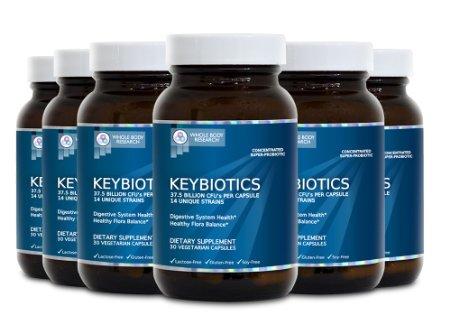
Many of the foods we eat provide calories empty calories or determined by simple carbohydrates, fat or calories that provide calories from trans fats or saturated fats that raise LDL or bad cholesterol. We also eat a lot of processed foods, which reduced the value of the food, but the features have improved flavor by adding sodium and artificial colors and flavorings. Nutrient-rich foods are complex carbohydrates, fat and protein in the nutrient dense high in good fat or cholesterol HDL.
Food also affect our hormones. Simple sugars such as sucrose and fructose sugar levels prejudice we have Keybiotics and makes us want to eat more. We spend less calories to digest simple sugars that stimulate the body to store all the excess calories as fat. Complex carbohydrates and put less burden on our systems with complex sugars that do not cause an increase in blood sugar levels and lead to diseases such as diabetes and pre-diabetes stage type 2.
The quality of our calories
Fruits and vegetables nutrient made up of complex carbohydrates to identify a low profile in carbohydrates. Low-carb diets with less simple carbohydrates and increase complex carbohydrates lead to weight loss without the commitment to public health and nutrition. Nutrient-rich proteins such as salmon and other fatty fish, along with skinless chicken and beef are useful for the accumulation of lean muscle mass and tend to become fat when complex carbohydrates in the painting.
Nutrient-rich foods: choice
Salmon caught wild salmon is an excellent source of protein and amino compound and one of the best sources of omega-3 fatty acids. Salmon is also an excellent source of vitamins and minerals, including magnesium, potassium, selenium and vitamins each Trout River caught him similar features, along with mackerel.
Turnip: Cali, known as cabbage or cabbage, has some of the highest concentrations of vitamins and minerals through all kinds of vegetables. Kale is also rich in biologically active compounds such as isothiocyanates and indole-3-carbinol that can reduce the risk of cancer.
Algae: algae have high concentrations of calcium, iron and magnesium. It has many biologically active compounds, including phycocyanins and carotenoids that reduce inflammation and is the most concentrated natural source of iodine.
Garlic: Garlic is rich in vitamins C, B1 and B6, calcium, potassium, copper, manganese and selenium. It also has a compound called allicin, which studies suggest that lower blood pressure and reduce LDL (bad cholesterol) while increasing HDL (good cholesterol).
Seafood: Oysters are one of the best sources of vitamin B12, and her other nutrients such as vitamin C, vitamin B complex, potassium, selenium and iron. Oysters made six times the recommended daily dose of zinc, copper, twice the recommended daily dose, and B12, vitamin D and other nutrients. Mussels also have many of these nutrients. It is not surprising that the bouillabaisse very popular.
Keybiotics Customer Reviews | http://www.nationalhealthadvisor.com/Keybiotics
Post Your Ad Here
Comments