Different Shades of London Through Time
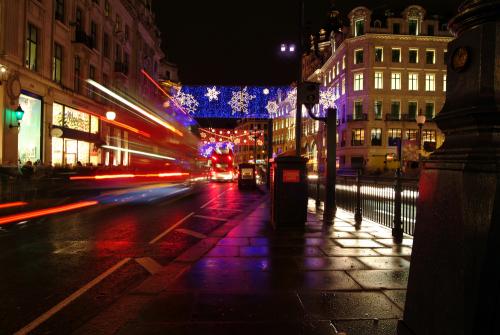
London has seen a lot in its past from attacks of Romans to World War I and II. But the thing the whole world should learn from London is how to keep their heritage intact? For that reason, we can easily get into the history of England, and it’s Capital. If we start touring the history, then it will be like travelling through the time via time machine. It all starts from the era of 1000 and end on the present day. Through this article, we will try to take you on a ride that can help you in understanding the timeless journey of London.
1000’s The Tower of London
Tower of London is a historic castle situated on the north bank of the Thames River in central London. Built in 1066 the place will give you the concrete idea of 1000 B.C. London through its buildings, structures and, of course, through the Crown Jewels.
1500’s Hampton Court Palace
An example of versatilities, Hampton Court Palace, is constructed under the Thomas Wolsey, the Chief Minister and the favorite of Henry VIII. He spent 200,000 gold crowns to build the finest palace of England at Hampton Court.
1600’s
Geffrye Museum
Specializing in the history of the England’s domestic interior the place is the house of more than 1800 domestic interiors, Where visitors can witness changing style of the English domestic interior of eleven displayed period rooms from the period of 1600 to the present day.
St. Paul's Cathedral
Its construction was the part of a major rebuilding programme in the City during 1666 B.C. after the Great Fire of London. The visitors can visit everything from the dome to the crypt at here.
1700’s
Dr. Johnson's House
The place was the home of the renowned English writer and lexicographer Samuel Johnson whose most notable work is English dictionary. Built in 1700, it is a rare example of a house of its era filled with prints, portraits and stuff of his daily life including teapots, chairs and many others.
Apsley House
Apsley House is a Grade I listed building and also known as Number One, London. It is the only preserved example of an English aristocratic town house from its period. It was the home of Duke of Wellington for 35 years. The art collection of the house is extraordinary, some of them are Goya and Velázquez paintings, and its ground is open to the public.
The Wallace Collection
It is a museum with the world-famous range of fine and decorative arts from the period of 15th to the 19th centuries. The large holdings inside the museum are French 18th-century paintings, furniture, porcelain. Old Master paintings and arms & armour arranged into 25 different galleries. The Place was the home for Richard Seymour-Conway, Fourth Marquess of Hertford, in the 1800s.
1800s
Sir John Soane’s Museum
The Museum was the home of the neo-classical architect Sir John Soane during the late 18th century and in the 19th century. Now the place is famous for his work displayed in inventive ways.
The V&A Museum
The Victoria and Albert Museum is named after the Queen Victoria and Prince Albert the museum is a house for the rare collectibles from all over the world. Visitors can find articles from each and every culture of the globe. This style heaven includes furniture, ancient jewelry, Islamic carpets and historical decorative stuff.
The London Dungeon
Visitors can experience the recreation of various gory and chilling historical events in a gallows humor style, by using the mixture of live actors, effects and rides. Horror stories of Jack the Ripper and Sweeny Todd are the basic inspiration for this silly pit stop. The place serves completely different experience to audiences.
1920s Hotel Savoy
The Savoy was the first luxury hotel of Britain; it introduced electric lights in every part of building including rooms, electric lifts, and bathrooms in most of the furnished rooms, continuous hot and cold running water, and many other innovations. All these specification makes it most glamorous hotel of its era. The Paddington Park Hotel is somehow like that of modern Savoy.
1930’s The Freud Museum
Freud lived here during the last year of his life, in 1938, after escaping Nazi annexation of Austria. As per his wish, the place converted to Museum and opened for public in 1986. The couch brought from Berggasse 19, Vienna also known as his psychoanalytic couch is the centerpiece of the museum.
1940’s Cabinet War Rooms
Cabinet War Room is a place of prime importance for British as Each, and every move of the World War II is penned down here by Winston Churchill. The specialty of the place is, every article lying here is at it is from the day when Japan surrenders to till date.
1960’s Carnaby Street
Carnaby Street proved popular for followers of both the Mod and hippie styles. Number of independent boutique and designers setup their exclusive shops here.
1970’s Alfie's Antiques Market
The place is a house for seventy-five dealers offering antiques; including silver, furniture, ceramics, jewellery, paintings, glass and vintage clothing. The Market has a lot more to offer from the history of London.
1990’s Notting Hill
Notting Hill is a notable market that expands itself as a hub of global brands. The market established as a symbol for new London. The ambience of the place is cool, rich, beautiful, and funky.
2000’s
The Tate Modern
Located along the River Thames in a former Power Station, the Tate is a house of masterpieces collections from 1900 to the present day with international modern and contemporary art samples.
Somerset House Skating Rink
The place is the house of major arts and cultural items where you can find out each and every aspect of British History. For those coming in summer can enjoy 55 fountain dance and winter visitors can witness the London's favorite ice rink.
Borough Market
One of the oldest Wholesale and retail food market of central London has turned into the Gastro Heaven for food lovers. Promoted by British television chefs and nowadays market is used as a film set.
1000’s The Tower of London
Tower of London is a historic castle situated on the north bank of the Thames River in central London. Built in 1066 the place will give you the concrete idea of 1000 B.C. London through its buildings, structures and, of course, through the Crown Jewels.
1500’s Hampton Court Palace
An example of versatilities, Hampton Court Palace, is constructed under the Thomas Wolsey, the Chief Minister and the favorite of Henry VIII. He spent 200,000 gold crowns to build the finest palace of England at Hampton Court.
1600’s
Geffrye Museum
Specializing in the history of the England’s domestic interior the place is the house of more than 1800 domestic interiors, Where visitors can witness changing style of the English domestic interior of eleven displayed period rooms from the period of 1600 to the present day.
St. Paul's Cathedral
Its construction was the part of a major rebuilding programme in the City during 1666 B.C. after the Great Fire of London. The visitors can visit everything from the dome to the crypt at here.
1700’s
Dr. Johnson's House
The place was the home of the renowned English writer and lexicographer Samuel Johnson whose most notable work is English dictionary. Built in 1700, it is a rare example of a house of its era filled with prints, portraits and stuff of his daily life including teapots, chairs and many others.
Apsley House
Apsley House is a Grade I listed building and also known as Number One, London. It is the only preserved example of an English aristocratic town house from its period. It was the home of Duke of Wellington for 35 years. The art collection of the house is extraordinary, some of them are Goya and Velázquez paintings, and its ground is open to the public.
The Wallace Collection
It is a museum with the world-famous range of fine and decorative arts from the period of 15th to the 19th centuries. The large holdings inside the museum are French 18th-century paintings, furniture, porcelain. Old Master paintings and arms & armour arranged into 25 different galleries. The Place was the home for Richard Seymour-Conway, Fourth Marquess of Hertford, in the 1800s.
1800s
Sir John Soane’s Museum
The Museum was the home of the neo-classical architect Sir John Soane during the late 18th century and in the 19th century. Now the place is famous for his work displayed in inventive ways.
The V&A Museum
The Victoria and Albert Museum is named after the Queen Victoria and Prince Albert the museum is a house for the rare collectibles from all over the world. Visitors can find articles from each and every culture of the globe. This style heaven includes furniture, ancient jewelry, Islamic carpets and historical decorative stuff.
The London Dungeon
Visitors can experience the recreation of various gory and chilling historical events in a gallows humor style, by using the mixture of live actors, effects and rides. Horror stories of Jack the Ripper and Sweeny Todd are the basic inspiration for this silly pit stop. The place serves completely different experience to audiences.
1920s Hotel Savoy
The Savoy was the first luxury hotel of Britain; it introduced electric lights in every part of building including rooms, electric lifts, and bathrooms in most of the furnished rooms, continuous hot and cold running water, and many other innovations. All these specification makes it most glamorous hotel of its era. The Paddington Park Hotel is somehow like that of modern Savoy.
1930’s The Freud Museum
Freud lived here during the last year of his life, in 1938, after escaping Nazi annexation of Austria. As per his wish, the place converted to Museum and opened for public in 1986. The couch brought from Berggasse 19, Vienna also known as his psychoanalytic couch is the centerpiece of the museum.
1940’s Cabinet War Rooms
Cabinet War Room is a place of prime importance for British as Each, and every move of the World War II is penned down here by Winston Churchill. The specialty of the place is, every article lying here is at it is from the day when Japan surrenders to till date.
1960’s Carnaby Street
Carnaby Street proved popular for followers of both the Mod and hippie styles. Number of independent boutique and designers setup their exclusive shops here.
1970’s Alfie's Antiques Market
The place is a house for seventy-five dealers offering antiques; including silver, furniture, ceramics, jewellery, paintings, glass and vintage clothing. The Market has a lot more to offer from the history of London.
1990’s Notting Hill
Notting Hill is a notable market that expands itself as a hub of global brands. The market established as a symbol for new London. The ambience of the place is cool, rich, beautiful, and funky.
2000’s
The Tate Modern
Located along the River Thames in a former Power Station, the Tate is a house of masterpieces collections from 1900 to the present day with international modern and contemporary art samples.
Somerset House Skating Rink
The place is the house of major arts and cultural items where you can find out each and every aspect of British History. For those coming in summer can enjoy 55 fountain dance and winter visitors can witness the London's favorite ice rink.
Borough Market
One of the oldest Wholesale and retail food market of central London has turned into the Gastro Heaven for food lovers. Promoted by British television chefs and nowadays market is used as a film set.
Advertise on APSense
This advertising space is available.
Post Your Ad Here
Post Your Ad Here
Comments