Critical Information that You Must Provide Your Embroidery Digitizer
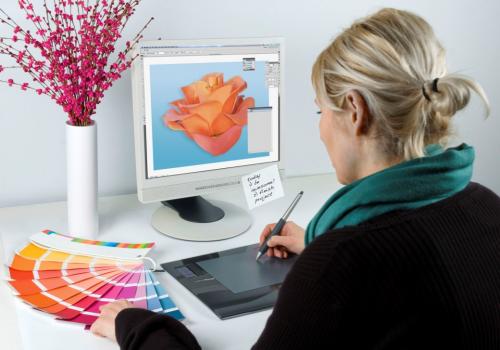
Are you looking to get your company logo embroidered on a set of T-shirts, caps and jackets? If yes, then digitizing is the way to go.
But if you are new to the process, you may miss out on a few critical points which could help the digitizer provide a better output. Not to worry, it is fairly simple. Here are just a few critical things that you must provide your digitizer to ensure that you are absolutely content with the end result.
1) Size it Right
When you provide the creative file to your digitizer, clearly mention the size you are looking for on the final product.
For example, if it is a logo design for a T-shirt, don’t just mention left or right side. Give the digitizer an idea of the exact size and placement you are looking for. If your logo is a horizontal one and you inform the digitizer about the height the design should occupy, he can position it accordingly and balance the width proportionately to get a visually appealing design. Remember to mention either the width or the height and the exact location where you want to the embroidery to appear.
2) All about the Product
Different products come in different fabrics. And for different fabrics, an embroidery digitizer needs to use different settings. This makes an impact during the digitization process.
For example, the normal common brushed cotton caps are made of thicker fabric then t-shirts. This means higher density may be required to get a sharp crisp finish. At the same time the digitizer must also make the design specific for caps which means punching center out so that the cap doesn’t stretch on one side and the logo looks balanced in the middle.
Similarly, for products such as towels or wicking jackets etc, the digitizer needs to use high and low densities. Towels need high density to cover it completely whereas wicking fabric cannot sustain high density otherwise it will tear the fabric.
Knowing what fabric you plan to use will help the digitizer understand the densities, pull compensations, sequencing to use for each design.
3) Final Formats
Always inform your embroidery digitizer about the brand of machine you are using so that your file can be saved in the correct format. Machines come in a variety of types – some with single needles, some with five needles or more. Knowing the kind of machine will help the digitizer to punch accordingly. For example a multi colored design should have minimum color changes if it will be stitched on a one needle machine.
You may also choose to have your design done as appliqué. Embroidery involves directly sewing the design onto the material, whereas appliqué is when a fabric is used to cover parts of the design and bordered using embroidery. Knowing which of the two is going to be used on your final product will also give your digitizer an idea of how to structure the digitized file.
During the digitization process, it is important to work with and share the native files in case any adjustments are needed to the design during the final execution stage.
At Powerstitch.com, we digitize more than 20 designs per day. And we offer a 24 hour turnaround time. Catering to international and domestic clients, we offer a bulk stitch rate for your convenience. If you want to brand your business in an innovative way, contact us now or order through our online form for a competitive quote. We aim to deliver the best quality for your 100% satisfaction.


Post Your Ad Here
Comments