Beacons in Museums -Location-Based Marketing Platform
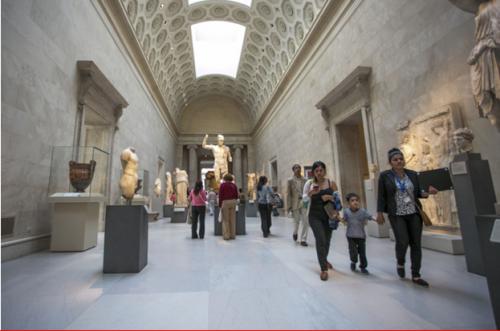
Museums are continuously seeking to be on the forefront of interactivity and engagement through innovative technology—beacons provide them an opportunity to do exactly that. Through access to supplementary digital content, beacon-enabled self-guided tours and more, museums can successfully educate visitors in more interactive and meaningful ways using beacons.
1.
National Slate Museum, Wales
Wales’ National Slate Museum in Snowdonia was one of the first museums in the world to install beacons that enable visitors to discover more about collections as they walk around a site. The museum is attempting to incorporate bilingual and multilingual materials for a more inclusive learning experience. Content is brought dynamically into the hands of visitors to the museum, with media-rich material appearing on their mobile device as they walk around.
2.
Brooklyn Museum
The Brooklyn Museum has adopted a more people-centric approach to using beacons. Museum administration realized that visitors often have questions about displays that go unanswered, unable to find nearby museum staff. Thus, using data from their beacon pilot, the Brooklyn Museum has been able to recognize visitor hotspots and strategically place relevant art experts where they are needed most. The museum’s ultimate goal was to help visitors learn more about the art on display, but it realized it also had no way of knowing what visitors wanted to learn about. Their iBeacon-powered app now enables experts to answer visitors’ questions via mobile devices. Users can use the ‘Ask’ component to ask questions and receive answers in real time from an on-site expert.
3.
Groninger Museum, Groningen
The Groninger Museum is the first museum in the Netherlands where beacons have been implemented. The technology has been available at the exhibition “The Collection”, from March 29, 2014 on wards. It is used to send interactive content on artworks to visitors using the museum app. Visitors who do not have a compatible smartphone or tablet can rent these at the museum, so that they too will have access to interactive media. This beacon project has shown that of interactive media can excite, amaze and inspire a unique museum experience—especially when museums make that media available to everyone, regardless of their mobile device.
4.
Cleveland Museum of Art
Cleveland Museum of Art chose to use beacons to deliver more information about its art pieces to customers’ mobile devices via the museum’s ArtLens mobile app. The museum has installed 230 access points for beacons to serve additional media such as video, still images and texts to visitors based on where they are standing in the museum. If visitors would like more information about a specific exhibit, they can also scan its ArtLens icon with the app to receive extra content.
5.
Philips Museum
Philips Museum in the Netherlands is a great example of the successful gamification of a museum experience using beacons. Visitors to the museum are invited to play an interactive game called “Mission Eureka” on iPads as they walk around the exhibits. Teams are presented with educational challenges in various locations around the museum that they have to solve, such as discovering how LED lights or X-rays work. For an added social dimension, the game allows members to compete against one another, making “Mission Eureka” are fun, competitive learning experience.
Questions to answer before
getting started with beacons at your MUSEUM
Before you decide to use beacons at your museum, the first step would be to understand the use cases that benefit you and your museum visitors.
· Who is the target audience of your museum? Try to think about age, professional background and other segments to guide the additional content that you offer.
· How can you use beacons to supplement your museum staff (i.e. docents, experts, etc.) in order to offer the most informative experience possible, while minimizing overlap? Consider beacon location, density and signal range.
· Are there opportunities to upsell merchandising in the gift shop throughout the museum?
· What color, size and placement of beacons should you use to make them blend in the environment of the exhibits?
· What types of visitor behavior do you want to track in your museum?
5
beacon campaign ideas
·
Provide discounted tickets and other
rewards to frequent museum-goers.
·
Incentivize engagement with museum
material by offering deals at the gift shop for people who successfully
complete interactive games or challenges.
·
Integrate digital exhibits with social
networks to allow people to share information they have learned.
·
Track important metrics such as
average footfall, duration of visit and number of exhibits interacted with to
measure progress and evaluate impact of management changes.
·
Send information on upcoming exhibits
upon exit of the museum.
Launch your beacon pilot campaign today without any developer’s help! SWIVIO makes it easy to order and deploy beacons.
Post Your Ad Here
Comments