A Guide to Selecting the Right Pneumatic Valve
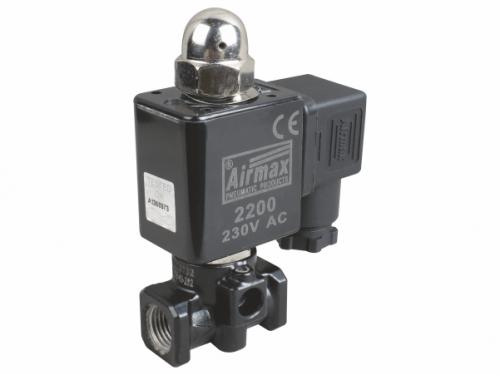
Typically, a pneumatic valve is the last component to be specified in a pneumatic system. It is likely that the cylinder(s) sizing and selection downstream of the valves will have already been determined by the desired application parameters such as load/force, speed, and special application needs. The compressed air condition & cylinder selection will have heavily influenced the air prep selection before the valve. Probably the most critical factor for performance is the selection and sizing of control valves.
The specification of control valves is driven by customers. With a variety of valve types available, there are a number of functions and options to consider. Here are the 2 basic steps outlining valve selection, although it can be quite a challenge. Though it's not as simple as just two steps, focusing on these basics will get you close to the final valve specification.
Step 1: Identify Basic Pneumatic Valve Functionality
What is the number of ports needed?
There are usually three, four, or five ports available.
A 3-port valve is a three-way valve that controls one cylinder port.
The 4 port valve is a 4-way valve that controls two cylinder ports and one exhaust port. A fifth port creates individual exhaust ports.
A push-to-connect connection or a threaded connection defines the type of connection.
Is there a specific number of valve positions required?
There are typically two or three valves 'positions' specified. Every position offers a different directional flow path.
The center or neutral state of a three-position valve determines how it operates in a power-down situation.
For a 2-position solenoid valve, one solenoid plus a spring or two solenoids are used. To shift a 3-position solenoid valve, two solenoids are used.
How should the directional control valve function?
In a pneumatic valve with 4 or 5 ports and 2 positions, compressed air always exits one cylinder port and exhaust enters the valve from the other.
A 3 port/2 position valve has two functional options: normally closed (NC) and normally opened (NO).
In a three-position valve, the middle position or neutral position determines the valve's functionality when power is off. It is possible to close all ports, exhaust the cylinder ports, or pressurize the cylinder ports.
Step 2: Involves identifying the pneumatic valve's performance and operational specifications
What is the speed at which you need the valve to shift?
There are two types of valves: pilot-operated and direct-acting:
In pilot operated valves, a solenoid opens and closes the pilot air path. It is pilot air that actually shifts the valve. Pilot-operated valves are typically less expensive to buy, consume less power, have a slower response time, and are susceptible to air variations.
Solenoid valves use a solenoid to shift the entire valve spool. In addition to being more expensive to purchase, a direct-acting valve consumes more power, but offers faster response times and is not affected by air variations.
To support downstream work, how much flow is needed?
The flow will be calculated based on aspects downstream of the cylinder, including plumbing, cylinder quantity, bore size, and application speed. Based on the valve flow requirements, the size of the pneumatic valve can be determined by comparing it to the flow available through the valve at the required pressure.




Post Your Ad Here
Comments