Everything You Need to Know About Gate Valves: A Complete Guide
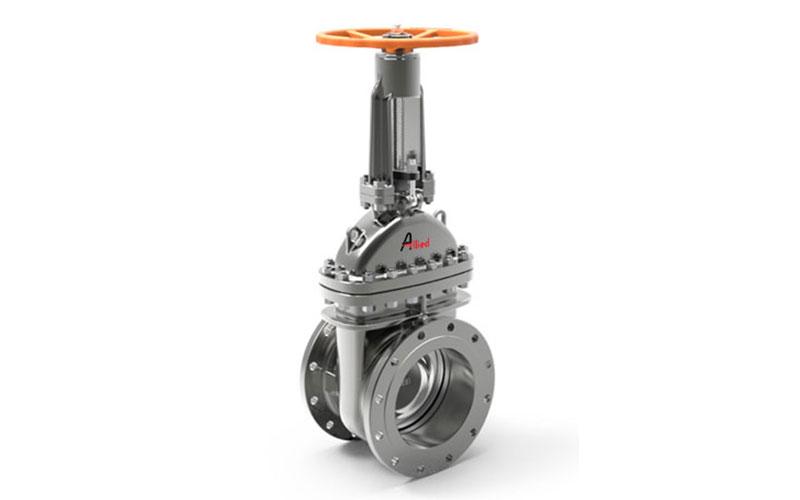
Gate valves are one of the most widely used types of industrial valves across various industries, from oil and gas to water treatment, power plants, and chemical processing. Known for their simplicity, reliability, and ability to shut off flow completely, gate valves play a vital role in many fluid handling systems. This guide walks you through everything you need to know about gate valves—how they work, where they are used, and what to consider when choosing one.
What Is a Gate Valve?
A gate valve is a type of valve that uses a flat or wedge-shaped gate (or disc) to stop or allow the flow of liquid or gas through a pipeline. When the valve is opened, the gate is lifted out of the path of the fluid. When it’s closed, the gate moves down and blocks the flow entirely. Gate valves are typically operated with a manual handwheel, although motorized or pneumatic actuators are also used in some industrial setups.
These valves are best suited for applications where a straight-line flow of fluid and minimum restriction are desired. They are not ideal for throttling purposes (controlling the flow rate), as partial opening can lead to vibration and damage to the valve disc.
Key Components of a Gate Valve
Body: The main outer casing that houses all internal components.
Bonnet: Covers the top of the valve and provides a leak-proof seal.
Stem: Connects the actuator (handwheel or motor) to the gate.
Gate/Disc: The part that moves up or down to control flow.
Seat: Provides a sealing surface for the gate when closed.
Common Types of Gate Valves
Wedge Gate Valve: The most common type, with a solid or flexible wedge disc that fits tightly between two seats.
Parallel Slide Gate Valve: Uses two parallel discs and a spring mechanism for better sealing at high temperatures.
Knife Gate Valve: Designed for slurry and viscous media, with a sharp edge to cut through thick fluids.
Applications of Gate Valves
Gate valves are used in various industries for their ability to shut off flow completely and withstand high pressures. Common applications include:
Water and wastewater treatment
Oil and gas pipelines
Chemical and petrochemical plants
Power generation facilities
Marine and offshore systems
Things to Consider When Choosing a Gate Valve
Material: Depending on the application, choose from stainless steel, cast iron, ductile iron, bronze, or other materials.
Size: Gate valves come in a wide range of sizes. Make sure to select one that matches the pipeline dimensions.
Pressure and Temperature Ratings: Always check the maximum pressure and temperature the valve can handle.
End Connections: Choose from flanged, threaded, or welded ends based on your system’s requirements.
Operation Method: Decide between manual, electric, or pneumatic operation.
Maintenance and Operation Tips
To get the most out of your gate valves:
Operate the valve fully open or fully closed to avoid wear.
Periodically inspect for leaks or corrosion.
Lubricate the stem and other moving parts if applicable.
Replace worn-out seals or packing material to prevent leakage.
Finding the Right Gate Valve Supplier
If you’re sourcing industrial valves in Gujarat, working with a reliable gate valve supplier in Ahmedabad can ensure that you get quality products tailored to your application. Local suppliers often offer better support, quicker delivery times, and competitive pricing compared to distant sources. Whether you need a single unit or bulk quantities, partnering with an experienced supplier can make a significant difference in your project’s success.
Conclusion
Gate valves are essential components in many fluid control systems, valued for their durability and effectiveness in isolating flow. By understanding the types, applications, and selection factors, you can choose the right gate valve for your needs. And if you're looking for trusted options, a reputable gate valve supplier in Ahmedabad can help guide you to the best fit for your industry and budget.

Post Your Ad Here
Comments