Quality Assurance in Industrial Valves: Testing and Certification Explained
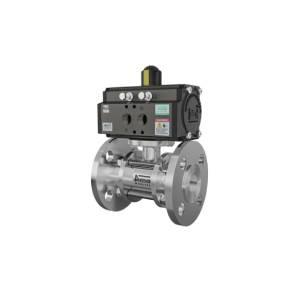
In today’s competitive industrial landscape, ensuring the highest quality standards for components such as industrial valves is paramount. Quality assurance (QA) plays a critical role in the manufacturing, testing, and certification of industrial valves. Companies like 4ma Valves Automation are at the forefront of this industry, setting benchmarks and ensuring that every valve meets stringent performance, safety, and durability criteria. This article explores the importance of quality assurance, the rigorous testing processes involved, and the certification requirements that guarantee reliable performance in the field.
The Importance of Quality Assurance in Industrial Valves
Industrial valves are essential components used in various sectors such as oil and gas, chemical processing, water treatment, and power generation. Their primary function is to control the flow and pressure within a system, making their performance critical to operational efficiency and safety. Quality assurance ensures that these valves perform reliably under demanding conditions and meet international safety and operational standards.
For companies searching for a valve supplier in India, quality assurance represents a key differentiator. A robust QA program not only reduces the risk of operational failures and environmental hazards but also instills confidence among customers. This is especially true for leading manufacturers like 4ma Valves Automation, whose commitment to excellence is reflected in every stage of their production process.
Key Steps in the Testing Process
To maintain the highest quality standards, industrial valves undergo extensive testing throughout their production lifecycle. The primary stages include:
Material Inspection and Verification: Quality assurance starts with the raw materials. Every component used in valve manufacturing is scrutinized for composition, strength, and durability. Material certifications and traceability are essential to ensure that only premium-grade materials are used.
Dimensional and Visual Inspection: Precision is critical when manufacturing industrial valves. Advanced measurement tools and visual inspections ensure that every dimension meets the exact specifications. This step helps in identifying any machining errors, deformation, or irregularities that could compromise performance.
Functional Testing: Beyond the visual checks, functional testing ensures that the valves perform as expected under simulated operational conditions. Tests include flow rate assessments, pressure integrity tests, and leak detection. In these tests, valves are subjected to conditions that mimic real-world environments, confirming their operational reliability.
Durability and Stress Testing: Valves often operate in extreme conditions. To simulate long-term usage, manufacturers like 4ma Valves Automation subject valves to cyclic pressure, temperature variations, and corrosion resistance tests. This ensures that the valves can withstand prolonged operational stress without performance degradation.
Automated Testing Systems: Leveraging modern technology, many manufacturers integrate automated testing systems to enhance precision and reduce human error. Automated systems not only speed up the testing process but also collect valuable data for further analysis, ensuring continuous improvement in design and production.
Certification: The Seal of Trust
Certification is the final and perhaps most crucial step in the quality assurance process. It is a formal recognition by independent bodies that a valve meets all required standards. Certifications such as ISO, API, and CE are critical in assuring customers of the product's reliability and safety.
For a valve supplier in India looking to establish credibility in both local and international markets, holding recognized certifications is essential. Certifications validate the manufacturer’s adherence to industry standards and best practices. 4ma Valves Automation places significant emphasis on obtaining and maintaining these certifications, ensuring that every product released to the market is not only high quality but also compliant with global standards.
Benefits of Robust Quality Assurance
Implementing a comprehensive quality assurance program in valve manufacturing has several far-reaching benefits:
Enhanced Reliability and Performance: Through rigorous testing and certification, industrial valves are proven to perform under high stress and varied operational conditions.
Risk Mitigation: High-quality valves reduce the likelihood of operational failures, thereby minimizing the risk of accidents and environmental hazards.
Customer Confidence and Market Expansion: Certifications and quality guarantees build trust with customers and help manufacturers secure contracts in highly regulated industries.
Cost Efficiency in the Long Run: Although extensive QA processes involve upfront costs, they lead to lower maintenance and replacement expenses over the valve’s lifecycle.
Innovation and Continuous Improvement: Data collected during testing drives innovation, leading to improvements in design and manufacturing processes over time.
Conclusion
Quality assurance in industrial valves is a multi-faceted process that combines rigorous testing, precise manufacturing, and stringent certification to ensure that every valve is built to perform. Companies like 4ma Valves Automation lead the way in this critical sector, setting high standards that not only meet but often exceed industry expectations. For industries and businesses in need of a trusted valve supplier in India, selecting a partner with robust quality assurance processes is essential for ensuring safety, reliability, and long-term operational efficiency. By adhering to these principles, manufacturers and end-users alike can rest assured that they are investing in products designed for excellence in every application.

Post Your Ad Here
Comments