When Is an Employee Termination Considered Wrongful Under the Law?
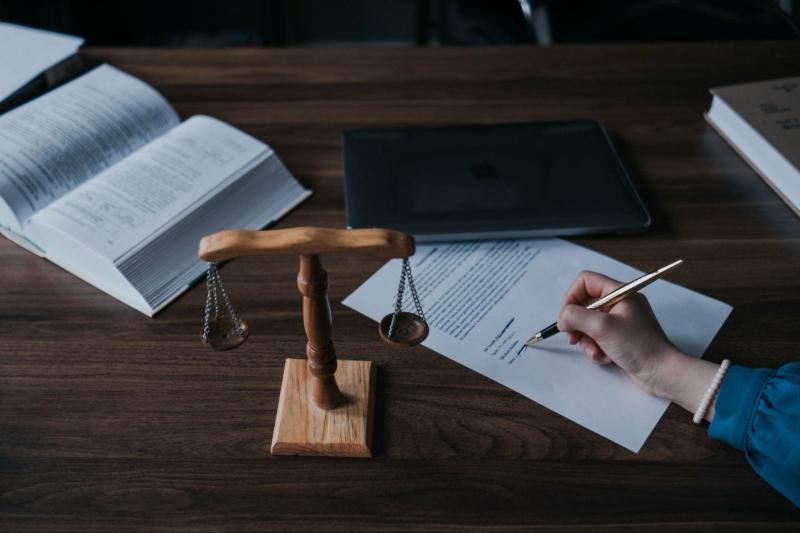
Wrongful termination occurs when an employer dismisses an employee in violation of employment laws, contractual obligations, or established public policy. While employers in at-will employment states generally have broad discretion to terminate workers, significant legal protections exist that create important exceptions to this general rule. In 2025, employment law continues evolving with expanded protections for pregnancy, enhanced retaliation claims, and new considerations around remote work accommodations. Understanding what constitutes wrongful termination helps both employees protect their rights and employers maintain compliant practices.
What Makes a Termination Legally Wrongful?
Not every unfair firing rises to the level of wrongful termination. The law distinguishes between terminations that may seem unjust and those that actually violate legal protections.
What Is At-Will Employment?
The majority of American workers are employed under the at-will doctrine, which allows either the employer or employee to end the employment relationship at any time, for any reason, or for no reason at all. However, this broad freedom has important limitations. Employers cannot terminate workers for reasons that violate specific legal protections or public policy.
Which Termination Reasons Are Illegal?
Wrongful termination claims typically arise when an employee is fired because of their protected characteristics, including race, religion, gender, national origin, age, disability, or genetic information. Federal laws including Title VII of the Civil Rights Act, the Americans with Disabilities Act, and the Age Discrimination in Employment Act prohibit such discrimination.
Termination is also wrongful when it occurs in retaliation for exercising legal rights, such as filing workers' compensation claims, reporting safety violations, participating in union activities, or serving on jury duty. Whistleblower protections shield employees who report illegal conduct from being fired for their disclosures.
How Have Employment Protections Expanded in 2025?
Recent legal developments have significantly strengthened employee protections in several key areas.
What Are the New Pregnancy Discrimination Protections?
The Pregnant Workers Fairness Act has created substantial new accommodation requirements that many employers are still working to understand. This law requires covered employers to provide reasonable accommodations for limitations related to pregnancy, childbirth, and related medical conditions. Employers cannot refuse accommodations simply because they would require temporary job modifications or scheduling adjustments.
Courts have begun awarding significant damages in pregnancy discrimination cases. The legal landscape now demands that employers engage in interactive processes with pregnant employees to identify appropriate accommodations rather than reflexively denying requests or terminating workers.
How Have Retaliation Protections Changed?
Courts increasingly recognize broader categories of protected activity, making retaliation claims easier to establish. The traditional requirement that employees demonstrate their employer knew about their protected activity and acted with retaliatory intent has been interpreted more flexibly. Timing evidence, where termination closely follows protected activity, creates stronger inference of improper motive.
Enhanced retaliation protections mean employers must carefully document legitimate business reasons for termination decisions, particularly when workers have recently engaged in protected activities.
What About Remote Work and Disability Accommodations?
The pandemic fundamentally changed expectations around remote work, with lasting implications for employment law.
Must Employers Offer Remote Work as an Accommodation?
Courts now regularly rule that remote work must be considered as a reasonable accommodation under disability discrimination laws when the essential functions of a job can be performed remotely. The widespread success of remote work during the pandemic undermined employer arguments that physical presence is inherently necessary for many positions.
Employees seeking remote work accommodations must still demonstrate they can perform essential job functions, but employers face greater scrutiny when denying such requests. The presumption that all jobs require in-person presence has been significantly weakened.
How Do These Changes Affect Termination Decisions?
Employers who terminate disabled employees after denying remote work accommodation requests face substantial legal exposure. Courts examine whether the employer engaged in a good-faith interactive process to explore accommodation options before concluding that no reasonable accommodation existed.
The American Bar Association provides extensive public resources on employment rights and legal protections for workers facing workplace disputes.
What Are Independent Contractor Misclassification Risks?
New Department of Labor rules have made it more difficult to classify workers as independent contractors, creating significant liability exposure for businesses that misclassify employees.
Why Does Classification Matter?
The distinction between employees and independent contractors affects workers' rights to minimum wage, overtime pay, unemployment insurance, workers' compensation coverage, and protection under employment discrimination laws. Misclassifying employees as contractors deprives them of these protections while allowing employers to avoid associated costs.
What Are the Consequences of Misclassification?
Employers found to have misclassified workers face liability for unpaid wages, benefits, and employment taxes, along with penalties and interest. Wrongful termination claims may also arise when workers treated as contractors establish that they were actually employees entitled to legal protections.
What Role Does Pay Equity and Transparency Play?
Many states have enacted laws requiring salary transparency in job postings and mandating pay equity audits.
How Do These Laws Affect Employment Decisions?
Pay transparency requirements create documentation of compensation decisions that may be relevant in discrimination claims. When termination follows disputes about pay equity or requests for salary information, employees may have stronger claims that the termination was retaliatory.
Employers must ensure their compensation practices can withstand scrutiny and that termination decisions are not influenced by employees' inquiries or complaints about pay disparities.
What About Social Media and Employee Privacy?
Employer monitoring of employee social media activity faces new legal challenges.
Can Employers Fire Workers for Social Media Posts?
The answer depends significantly on the content of the posts and applicable state laws. Political activity and union organizing are protected in many jurisdictions, limiting employers' ability to terminate workers for such posts. However, posts that damage the employer's legitimate business interests or violate confidentiality obligations may justify termination.
Employees should understand that social media posts are rarely truly private and may have employment consequences, while employers must navigate increasingly complex rules about what monitoring and subsequent action is permissible.
How Do Artificial Intelligence Hiring Tools Create Legal Risk?
The use of artificial intelligence in hiring and performance evaluation is generating novel discrimination claims.
What Risks Do AI Tools Create?
AI systems trained on historical data may perpetuate or amplify existing biases, resulting in discriminatory outcomes even without intentional discrimination. When AI tools influence termination decisions and produce disparate impacts on protected groups, employers face potential liability.
Several jurisdictions have enacted or proposed regulations requiring disclosure of AI use in employment decisions and mandating bias audits of these systems. Employers utilizing AI tools must ensure the systems comply with applicable requirements and produce non-discriminatory results.
What Steps Should Employees Take If They Believe They Were Wrongfully Terminated?
Employees who suspect wrongful termination should act promptly to protect their rights.
What Documentation Matters?
Gathering evidence is essential. Employees should preserve emails, text messages, performance reviews, and any other documentation relevant to their employment and termination. Witness statements from coworkers may also prove valuable.
What Deadlines Apply?
Strict time limits govern wrongful termination claims. Employees must file discrimination charges with the Equal Employment Opportunity Commission within 180 to 300 days of termination, depending on jurisdiction. Other claims may have different deadlines. Missing these deadlines can permanently bar recovery.
Should Employees Hire an Attorney?
Legal counsel can help employees evaluate whether their termination was wrongful, navigate filing requirements, and pursue appropriate remedies. Many employment attorneys offer initial consultations to assess potential claims.
What Remedies Are Available for Wrongful Termination?
Successful wrongful termination claims may result in various forms of relief.
What Damages Can Employees Recover?
Remedies may include back pay for lost wages from termination to resolution, front pay for anticipated future wage losses, reinstatement to the former position, compensation for emotional distress, and in some cases punitive damages designed to punish particularly egregious employer conduct. Attorney fees are recoverable in many employment discrimination cases.
Trial verdicts in wrongful termination cases have reached substantial amounts in recent years, with some discrimination cases resulting in awards exceeding several million dollars. Settlement negotiations often occur against this backdrop of potential jury verdicts.
Understanding and Protecting Employment Rights
Wrongful termination law continues evolving to address new workplace realities and emerging forms of discrimination. The expansion of pregnancy protections, remote work accommodation requirements, independent contractor rules, and AI-related concerns all create new considerations for both employers and employees. Understanding these developments helps workers recognize when their rights have been violated and enables employers to maintain lawful employment practices. Employees who believe they have been wrongfully terminated should document their circumstances, understand applicable deadlines, and consider consulting legal counsel to evaluate their options.

Comments