How Do Vegetarian Restaurants Create Satisfying Meat-Free Meals?
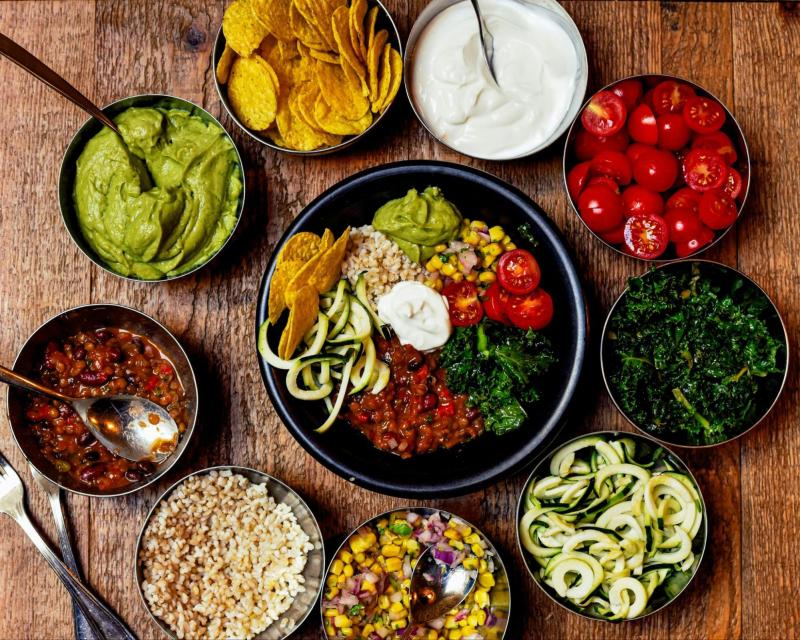
The culinary landscape has witnessed a remarkable transformation in vegetarian dining, with establishments across the globe demonstrating that meat-free cuisine can deliver profound satisfaction without compromise. The United States market for vegetarian and vegan restaurants has expanded to accommodate over 33,000 establishments, reflecting growing consumer confidence in plant-based dining. These restaurants employ sophisticated techniques and innovative ingredients to create meals that satisfy omnivores and dedicated vegetarians alike, proving that flavor and satisfaction need not depend on animal proteins.
What Techniques Do Chefs Use to Build Umami in Vegetarian Dishes?
Umami, often described as the fifth taste, provides the savory depth that makes dishes satisfying and memorable. Traditional meat-based cooking relies heavily on this flavor profile, but vegetarian chefs have mastered numerous plant-based sources of umami that deliver equally compelling results. Mushrooms, particularly varieties like shiitake, porcini, and maitake, contain naturally occurring glutamates that provide intense savory flavor. When dried and concentrated, these mushrooms become even more potent, forming the backbone of countless vegetarian sauces and broths.
Fermentation represents another powerful tool in the vegetarian chef's arsenal. Miso paste, made from fermented soybeans, adds complex depth to soups, marinades, and dressings. Soy sauce and its variants contribute both color and umami intensity without overpowering other ingredients. Tempeh, fermented from whole soybeans, offers protein alongside distinctive nutty flavors developed through its cultivation process. These fermented ingredients connect modern vegetarian cooking to ancient preservation traditions while providing flavors impossible to achieve through other means.
How Do Vegetarian Restaurants Achieve Satisfying Textures?
Texture plays a crucial role in dining satisfaction, and vegetarian restaurants have developed remarkable expertise in creating varied and appealing textures entirely from plant sources. Seitan, made from wheat gluten, can be prepared to mimic the chewiness of various meats depending on preparation method. When braised slowly, it becomes tender and succulent; when grilled or fried, it develops a satisfying exterior crust while remaining moist within. This versatility makes seitan a cornerstone ingredient in vegetarian establishments worldwide.
Vegetables themselves offer extraordinary textural possibilities when treated with appropriate technique. Roasting at high temperatures creates caramelization that adds both flavor and pleasant char. Smoking infuses vegetables with complexity while subtly altering their texture. Even simple techniques like proper blanching preserve the appetizing crunch of green vegetables that might otherwise become limp and unappealing. Masterful vegetarian cooking treats texture as carefully as flavor, ensuring each component contributes to overall dish satisfaction.
The Art of Plant-Based Protein Preparation
Tofu exemplifies how technique transforms simple ingredients into satisfying dishes. Fresh tofu, when properly pressed and marinated, absorbs flavors deeply while maintaining a pleasant texture. Freezing and thawing creates a spongier texture that accepts marinades even more readily, while crispy fried preparations offer contrasting textures within single dishes. The most accomplished vegetarian restaurants employ multiple tofu preparations within their menus, demonstrating the ingredient's remarkable versatility.
What Role Does Menu Design Play in Vegetarian Restaurant Success?
Thoughtful menu construction differentiates exceptional vegetarian restaurants from merely adequate ones. Rather than offering vegetarian versions of meat-based dishes, the most successful establishments create menus that celebrate vegetables as primary ingredients rather than substitutes. This approach attracts both committed vegetarians and curious omnivores seeking new culinary experiences. Seasonal menus that highlight peak-freshness produce demonstrate respect for ingredients while providing variety throughout the year.
Portion architecture ensures that vegetarian meals satisfy hunger as effectively as meat-centered alternatives. Dishes combine protein-rich legumes and grains with vegetables in proportions that provide sustained energy and genuine fullness. Appetizers, main courses, and desserts progress logically, building satisfaction without overwhelming diners. The finest vegetarian establishments have demonstrated through prestigious recognition that thoughtful menu design can elevate plant-based cooking to the highest culinary levels.
How Important Is Ingredient Sourcing for Vegetarian Restaurants?
Superior ingredients form the foundation of exceptional vegetarian cuisine, and discerning restaurants invest significantly in sourcing. Local farms provide vegetables harvested at peak ripeness, offering flavors that mass-produced alternatives cannot match. Heritage varieties of tomatoes, squash, and beans contribute colors, textures, and tastes that have nearly disappeared from industrial agriculture. These specialty ingredients command premium prices but justify their cost through dramatic improvements in finished dishes.
Organic certification matters to many vegetarian diners who extend ethical considerations beyond animal welfare to encompass environmental and agricultural practices. Restaurants that commit to organic sourcing signal alignment with broader sustainability values that resonate with their target customers. This commitment often extends beyond produce to encompass grains, oils, and specialty ingredients that complete their culinary vision.
The Growing Importance of Transparency
Modern diners increasingly demand information about food origins, and vegetarian restaurants have responded with unprecedented transparency. Menu descriptions detail specific farms, production methods, and ingredient sources. Some establishments maintain relationships with particular producers whose names appear prominently in their marketing. This transparency builds trust while educating diners about the complexities of sustainable food production.
What Makes Vegetarian Restaurant Dining Experiences Memorable?
Beyond food quality, successful vegetarian restaurants create environments that enhance the dining experience. Interiors often reflect the natural, sustainable values associated with plant-based eating through use of reclaimed materials, living plants, and earth-toned color palettes. These design choices reinforce brand identity while creating atmospheres conducive to relaxed, mindful eating. Noise levels, lighting, and seating arrangements receive careful attention as components of overall guest experience.
Service style adapts to the particular needs of vegetarian dining. Staff members possess extensive knowledge about ingredients, preparation methods, and potential allergens, enabling them to guide guests through unfamiliar menu items confidently. Restaurants serving primarily plant-based cuisine often attract guests with specific dietary requirements, making staff education about ingredients essential for accommodating these needs while maintaining positive experiences.
Can Vegetarian Restaurants Appeal to Non-Vegetarian Diners?
The most successful vegetarian establishments attract diverse clientele rather than serving exclusively committed vegetarians. This broader appeal results from exceptional cooking that transcends dietary categories, presenting dishes so compelling that their plant-based nature becomes incidental rather than defining. Flexitarians, who reduce meat consumption without eliminating it entirely, represent a substantial and growing market segment that vegetarian restaurants actively court.
Strategic positioning helps vegetarian restaurants attract omnivorous diners. Rather than emphasizing what dishes lack, successful marketing highlights what they offer: bold flavors, creative presentations, and memorable dining experiences. Many guests discover vegetarian restaurants through recommendations from friends or social media exposure, arriving without preconceptions and departing as converts to the possibilities of meat-free cuisine.
How Are Vegetarian Restaurants Adapting to Changing Consumer Preferences?
The vegetarian restaurant sector continues evolving to meet shifting consumer expectations. Fast-casual formats have proliferated, offering high-quality vegetarian food at accessible price points with minimal wait times. These establishments appeal to busy professionals seeking healthful lunch options without sacrificing taste or convenience. Counter service and efficient kitchen operations enable competitive pricing while maintaining quality standards.
Delivery and takeout capabilities have become essential as dining habits shift toward at-home consumption. Vegetarian dishes present particular challenges for transport, as delicate textures and carefully arranged presentations can suffer during delivery. Restaurants have responded by developing menu items specifically engineered to travel well, ensuring that off-premises dining maintains quality comparable to in-house experiences. Packaging innovations balance environmental considerations with practical requirements for food protection during transport.
What Distinguishes World-Class Vegetarian Restaurants?
Elite vegetarian establishments share certain characteristics that elevate them above competitors. Unwavering commitment to quality permeates every aspect of operations, from ingredient selection through plate presentation. Chefs at these establishments typically possess classical training supplemented by specialized expertise in plant-based cooking techniques. Their kitchens function with precision and discipline comparable to the finest traditional restaurants, applying rigorous standards to vegetarian cuisine.
Innovation distinguishes leading vegetarian restaurants from those merely executing competent plant-based cooking. These establishments constantly explore new ingredients, techniques, and presentations, pushing boundaries of what vegetarian cuisine can achieve. Their creativity influences broader culinary trends, with innovations developed in vegetarian kitchens appearing on menus throughout the restaurant industry. This leadership role demonstrates the maturation of vegetarian cooking from alternative niche to mainstream culinary movement.

Comments