Text-to-Image Technology Changing Digital Art Creation
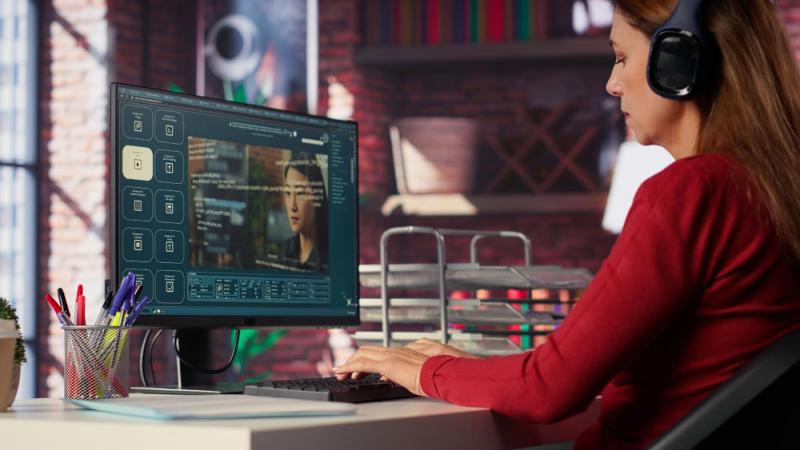
The inception of generative AI tools for images has ushered
in one of the most transformative periods in digital art history. Artists,
designers, and creative professionals no longer need to labor for hours over a
canvas or a digital workstation to craft visuals. Instead, a simple written
description can be translated into complex, high‑quality images in
seconds—reshaping how visual art is conceptualized, created, and consumed. In
this article, we explore how text‑to‑image technology is revolutionizing digital
art creation, the major trends driving adoption, the challenges it presents,
and what the future might hold for artistic expression in a world increasingly
intertwined with artificial intelligence.
The Advent of Text‑to‑Image Models
Text‑to‑image systems are a class of machine learning models
that interpret written prompts and produce corresponding visual artwork. Early
pioneers like DALL‑E set the stage for what these technologies could achieve,
and newer models such as GPT Image and Ideogram have significantly improved the
speed, realism, and stylistic range of generated images. These models rely on
deep learning techniques, including diffusion models and transformers, to
understand and synthesize visual content from natural language descriptions.
Over the last few years, adoption of these systems has grown
at an unprecedented pace. Worldwide, billions of images have been created using
text‑to‑image algorithms, demonstrating both broad interest and utility across
industries.
Transforming Creative Workflows
Accelerated Production and Experimentation
One of the most profound impacts of text‑to‑image technology
on digital art is the acceleration of creative workflows. Traditional digital
art creation can be time‑intensive, often requiring detailed planning, manual
rendering, and iterative fine‑tuning. In contrast, AI‑based generation
significantly compresses this timeline. Designers can now explore countless
visual concepts within minutes, enabling rapid prototyping of ideas and visual
experimentation that would otherwise take hours or days.
This acceleration is not only beneficial for professional
artists; it has also democratized access to visual creativity. Individuals with
limited formal training in art or design can produce compelling visuals simply
by crafting descriptive text. The resulting increase in creative output has
contributed to a surge in visual content across platforms, from social media to
commercial marketing campaigns.
Inspiration and Ideation Support
For many professional creators, text‑to‑image systems serve
as idea generators rather than replacements. These models can spark fresh
perspectives and inspire new artistic directions, especially during early
stages of conceptual development. Artists often use AI‑generated drafts as a
starting point for more refined, manually crafted pieces, blending machine
output with personal creativity to achieve unique results.
Market Trends and Adoption
Rapid Growth and Widespread Use
Industry data highlights significant adoption trends. In
2025, over 81 percent of global creative agencies reported leveraging AI‑driven
image synthesis to streamline production processes, while digital marketing
teams noted substantial improvements in both efficiency and creative freedom.
The overall market for AI image generation technologies is
expanding rapidly, with forecasts projecting steady growth in the years ahead.
Analysts predict that by 2026, a majority of digital content across industries
could be produced with the assistance of AI systems.
Integration Across Sectors
The influence of text‑to‑image technology extends far beyond
traditional art spaces. In advertising and branding, AI‑generated visuals help
teams quickly produce campaign graphics and promotional materials. In the
education sector, educators and content creators use AI visuals to illustrate
complex concepts and enhance instructional materials. In fields such as gaming,
architecture, and virtual product design, AI accelerates conceptual rendering
and asset visualization, reducing time from concept to execution.
Creative and Ethical Challenges
Authenticity and Artistic Value
Despite the clear benefits, the widespread use of AI
generated art raises important questions about authenticity and artistic value.
Critics argue that images produced by algorithms may lack the depth and
originality that comes from human experience and skill. Some research indicates
that AI systems tend to reproduce familiar styles and recurrent themes, which
can result in a homogenization of visual culture if relied upon exclusively.
These concerns extend to debates within the artistic
community about whether AI‑generated pieces should be considered genuine
artworks or tools for supplementary creative expression. The conversation
continues to evolve as more artists incorporate AI into their workflows and as
audiences grapple with shifting definitions of creativity.
Copyright, Licensing, and Ethical Use
The training data that underpins text‑to‑image models often
includes vast collections of existing artworks and photographs sourced from the
internet. This practice has sparked controversy and legal scrutiny, as artists
and rights holders raise concerns about unlicensed use of their works in training
datasets. Some professional communities have openly protested AI art auctions
and commercial projects that rely on models trained on such data.
Legal frameworks around intellectual property in the age of
AI are still developing, and regulators in various regions are exploring new
models of licensing and compensation to protect creators while fostering
innovation.
Bias and Representation
Another challenge lies in the nature of the datasets used to
train text‑to‑image systems. Biases present in training data can be reflected
in generated visuals, reinforcing stereotypes or marginalizing certain groups.
Recent academic studies emphasize the importance of addressing representational
bias in AI visuals to promote diversity and fairness in generated content.
Developers and researchers are actively working on
strategies to mitigate bias, such as refining datasets and introducing
adjustments in model design. However, this remains an ongoing area of concern
in ethical AI deployment.
Real‑World Examples of Impact
Recognition and Cultural Integration
AI‑generated art has already begun to appear in mainstream
creative spaces. One notable example involved a text‑generated artwork winning
recognition in a fine art competition, highlighting the evolving acceptance of
AI‑assisted creations within traditional artistic communities.
At major cultural events and festivals, artists have
showcased works that blend AI techniques with personal creative intent, further
illustrating the tool’s integration into global art practices.
Looking Ahead: The Future of Digital Art
The trajectory of text‑to‑image technology suggests that it
will continue to reshape the digital art landscape in profound ways. As models
become more sophisticated and accessible, they will likely evolve from
generating static images to producing dynamic visual media, including animated
sequences and immersive 3D environments. This could open new frontiers in
virtual reality, interactive storytelling, and multimedia design.
At the same time, balancing innovation with ethical
responsibility will be critical. Stakeholders across the creative ecosystem
will need to collaborate on standards for fair use, data stewardship, and
recognition of human artistic contribution.
Conclusion
Text‑to‑image technology has already changed how digital art
is conceived and created, making visual content more accessible and expanding
creative possibilities across industries. While it presents challenges in terms
of authenticity, ethics, and cultural impact, the overall trend points toward
continued growth and deeper integration of AI as a partner in artistic
expression. For artists, designers, and creative professionals, adapting to
this evolving landscape will involve embracing new tools while maintaining core
principles of artistic integrity and cultural respect.
In the years ahead, the interplay between human creativity
and machine‑generated imagery will define a new era of visual expression—one
that blends technological innovation with the timeless pursuit of beauty and
meaning.

Comments