What to Expect from Modern AI Agent Summits
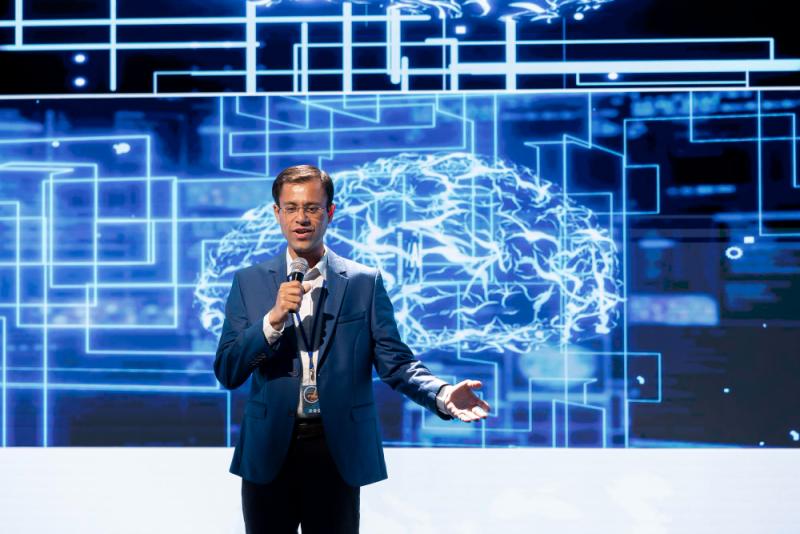
The landscape of technology gatherings around artificial
intelligence continues to expand, and a growing segment of this ecosystem
focuses specifically on AI Agent Conferences and summits. These events
bring together innovators, business leaders, engineers, policymakers,
academics, and investors to explore how autonomous intelligent agents are
reshaping industries, workflows, and strategic priorities across the globe. In
2025 and beyond, AI agent events have become hubs of both practical deployment
insights and forward-looking discussions about the societal impact of
intelligent, autonomous systems.
As these summits evolve, they differ significantly from
traditional AI conferences by emphasizing real-world applications, multi-agent
coordination, enterprise integration, governance frameworks, and ethical
considerations. They also reflect broader industry trends such as the rise of
generative systems, responsible innovation, and cross-disciplinary integration.
The Emerging Role of AI Agent Summits
AI agent summits have emerged as vital meeting places for
anyone interested in or responsible for adopting advanced autonomous systems.
Unlike general AI technology conferences that cover topics such as deep
learning algorithms or basic research in machine learning, agent-focused events
center on autonomous decision-making systems and their practical
deployment in complex environments.
These summits serve multiple roles:
- Knowledge
Transfer: They help bridge the gap between research and production
implementation, showcasing how agents are being used to automate complex
tasks in fields such as customer service, logistics, software engineering,
and enterprise operations.
- Networking
and Collaboration: Participants gain access to a wide ecosystem of
talent—from developers and startup founders to corporate innovation
leaders and regulators—who are shaping the future of autonomous
technologies.
- Strategic
Insight: Leaders discover new tools, architectural patterns, business
models, and governance strategies that can accelerate adoption while
addressing risks and operational challenges.
Expansion and Scale of Participation
One of the most noticeable trends in 2025 and 2026 is the growth
in both the number and scope of AI agent summits worldwide. Popular
gatherings attract capacity audiences, often with several thousand participants
joining both in person and online. In addition to dedicated agent events,
larger AI technology festivals and regional tech showcases now incorporate
agent-centric tracks that highlight how autonomous systems intersect with
broader digital transformation initiatives.
Across these events, participants typically include
enterprise CTOs, product leaders, data scientists, AI researchers, and
policymakers. The diversity of attendees reflects the fact that agent
technologies are not confined to a single discipline but span strategic
business planning, software architecture, and regulatory compliance.
Core Themes at Modern AI Agent Events
While each summit maintains its own agenda and flavor,
several recurring themes define the content and conversations at modern AI
agent gatherings:
Real-World Use Cases and Enterprise Integration
One of the primary draws of agent summits is the focus on practical
applications. Speakers and panels often explore case studies where
autonomous systems have been successfully integrated within business
environments. These examples range from automating customer interactions and
orchestrating data workflows to improving operational efficiency in industries
like healthcare and finance.
Attendees come away with insights into how organizations are
tackling rollout challenges such as scaling agents beyond pilot projects,
aligning with internal processes, and evaluating return-on-investment.
Strategic Deployment and Organizational Readiness
A frequent challenge highlighted at summits is not just how
to build agent systems, but how to operationalize them at scale.
Business leaders share frameworks for assessing maturity models, preparing
teams for AI-enabled operations, and restructuring workflows to accommodate
autonomous assistance. Some events even offer workshops aimed at helping
executives craft AI-ready strategies for their organizations.
Multi-Agent Coordination and Collaboration
Increasingly, discussions at these events explore multi-agent
ecosystems, where collections of autonomous agents work together to
complete complex tasks. This goes beyond single-agent logic and touches on how
agents communicate, negotiate priorities, and balance shared goals with
individual task responsibilities. Innovations in standard interoperability
protocols and coordination infrastructures often appear at the forefront of
these conversations.
Ethics, Governance, and Regulatory Dialogue
With rising attention on responsible AI, many summit agendas
include tracks on governance, regulatory compliance, and ethical frameworks.
Topics such as bias mitigation, transparency, accountability, and equitable
outcomes are debated among industry leaders and researchers alike. These
discussions aim to guide realistic policies that protect users and uphold
societal trust while still enabling innovation.
Trends Shaping Summit Content
Modern agent-focused summits are also shaped by broader
trends in the AI landscape. A few notable ones include:
Rise of Responsible and Ethical AI
Across the AI event circuit, including agent summits, there
has been a noticeable emphasis on responsible practices. Organizers and thought
leaders increasingly highlight frameworks for ethical development and
deployment, addressing concerns around algorithmic bias, privacy, and
transparency. Responsible AI tracks offer guidance on building systems that
align with legal standards and public expectations.
Cross-Sector Innovation
Summits frequently showcase how agent systems intersect with
other technological domains such as cloud-native computing, edge devices,
Internet of Things (IoT), and real-time data infrastructure. The resulting
conversations help demonstrate how autonomous agents can serve as connective
fabric across digital transformation initiatives.
From Proof-Of-Concept to Production
In 2025 particularly, a significant shift has occurred:
enterprises are moving beyond experimental use cases toward production-grade
agent deployments. Speakers often highlight lessons learned from early
adopters as well as emerging best practices for system monitoring, quality
assurance, and continuous improvement.
Formats and Experience Design
Modern AI agent summits vary in format, ranging from
intimate workshops to large-scale festivals with thousands of attendees. Many
events now incorporate hybrid elements, blending onsite participation with
virtual sessions to broaden access.
Typical components include:
- Keynote
Presentations: Visionary talks from industry veterans, researchers,
and executives who provide big-picture context.
- Panel
Discussions: Interactive conversations among experts on specific
challenges or opportunities within autonomous systems.
- Hands-On
Workshops: Practical training sessions where participants learn new
tools, architectures, or frameworks.
- Networking
Hubs: Dedicated spaces, both virtual and physical, designed to
facilitate relationship building.
These formats cater to a range of learning styles and
professional goals, making summits relevant to both technical and
business-oriented attendees.
Geographic and Cultural Diversity
While major agent summits occur in global tech hubs,
regional events have also proliferated, reflecting diverse ecosystems of
innovation. Cities across North America, Europe, and Asia host gatherings that
reflect local strengths and industry priorities. This geographic diversity
broadens the conversation by incorporating varied regulatory environments,
cultural expectations, and sectoral focuses.
How Attendees Prepare
Those planning to participate in summits are encouraged to
approach these events with clear objectives. Gathering background on featured
speakers, review of summit agendas, and setting measurable learning goals all
contribute to a more impactful experience. Many attendees also use these forums
for talent scouting, investor outreach, and partnership development.
The Future of AI Agent Summits
Looking ahead, several shifts are likely to define the
evolution of agent-focused technology events:
- Greater
Integration with Industry Verticals: Expect more summit tracks
tailored to sectors such as healthcare, finance, and manufacturing where
autonomous systems have distinct regulatory and operational
considerations.
- Collaboration
With Policy Makers: As governance frameworks mature, summits may
increasingly serve as platforms for dialogue between industry and
regulatory bodies, shaping standards and norms around deployment.
- Ecosystem
Networks: Instead of standalone events, agent summits could become
part of interconnected networks that promote ongoing collaboration
throughout the year, extending beyond annual gatherings.
In short, modern AI agent summits are becoming critical
nodes in the global conversation about how autonomous intelligence will
transform the way organizations operate. They offer a blend of technical depth,
strategic foresight, and community dialogue that helps shape both current
deployments and the roadmap for future innovation.


Comments