How to Choose an Electrical Equipment Supplier: Quality, Compliance, and Competitive Pricing
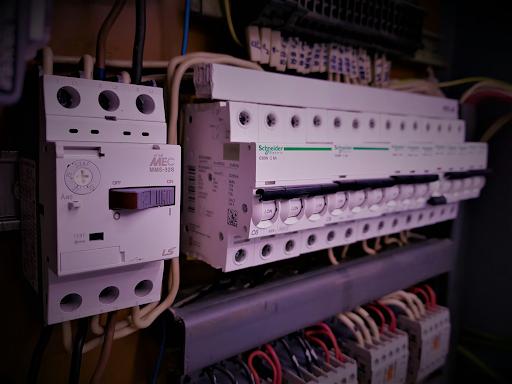
Choosing an electrical equipment supplier is one of those decisions that seems straightforward until it isn’t. A quote looks great, the order is placed, and everyone assumes the job is moving forward—until a shipment arrives late, a part doesn’t match spec, or a substitution creates compatibility issues. Suddenly, a purchasing decision becomes a schedule problem, and schedule problems quickly become cost problems. That’s why selecting the right electrical equipment supplier should be treated as a risk-management decision, not only a pricing decision.
The best supplier relationships protect three things at once: quality, compliance, and competitive pricing. When any one of those slips, the cost can show up later as rework, failed inspections, warranty headaches, or downtime. This guide explains how to evaluate an electrical equipment supplier in a practical way, so you can buy with confidence and avoid the problems that derail projects.
Start with quality: what “good” looks like in real-world supply
Quality in electrical equipment isn’t a vague preference. It’s safety, reliability, and performance. A quality product is one that meets its stated ratings, performs consistently under expected loads, and works correctly within the system it’s installed in. The role of the electrical equipment supplier is to ensure that what you receive is legitimate, properly stored and handled, and supported by documentation and warranty protections.
A strong supplier is transparent about brands, part numbers, and specifications. They can provide datasheets, product manuals, and manufacturer documentation without difficulty. They also understand that “similar” is not always “equivalent.” In electrical work, subtle differences can matter—ratings, materials, environmental suitability, compatibility with panels or systems, and required accessories can vary even between items that appear interchangeable.
It’s also worth paying attention to how a supplier handles packaging and shipping. Quality includes arriving intact. Damaged components, moisture exposure, or improper handling can create failures later, even if the product is technically correct.
Compliance: the non-negotiable part of the decision
Compliance is where many supplier choices are won or lost. Electrical equipment often must meet specific standards, codes, and approvals depending on the jurisdiction, application, and environment. Even if the product is high quality, it can still cause issues if it isn’t approved for the intended use or doesn’t meet the documentation requirements for inspection.
A reliable electrical equipment supplier understands this and supports compliance as part of doing business. They can help confirm that products meet required standards and can provide supporting documentation when needed. They also communicate clearly if a requested item has limited availability and propose alternatives that truly meet spec, not just alternatives that “might work.”
Substitutions are an especially important compliance risk. Sometimes substitutions are acceptable, but they should never be silent. The best suppliers treat substitutions as a controlled decision: they confirm the substitute, provide the spec comparison, and seek approval before shipping. That approach protects contractors and facilities teams from discovering problems at installation or inspection.
Competitive pricing: what “good pricing” really means
Competitive pricing isn’t the same as the lowest price on a single line item. In professional electrical work, the true cost includes delays, errors, emergency shipping, and labor downtime. A supplier offering a slightly better unit price isn’t saving you money if they consistently deliver late or ship incorrect items that require returns.
A better approach is to evaluate pricing as total delivered value. That includes the unit price, shipping costs, fees, and the reliability of fulfillment. It also includes whether the supplier can offer volume pricing, project pricing, or account terms that improve predictability over time. Many suppliers offer stronger pricing when purchases are consolidated or when customers establish repeat buying patterns.
Payment terms can also affect competitiveness. Net terms, credit options, and consistent invoicing practices can improve cash flow and reduce administrative friction. For organizations that buy frequently, better terms can be just as valuable as discounts.
Reliability: the hidden driver of project success
A strong electrical equipment supplier is reliable in ways that show up quickly. They respond to quote requests promptly and clearly. They provide accurate availability information. They communicate lead times honestly. They ship what they promised, when they promised it, with correct part numbers and quantities.
Reliability also includes problem resolution. Even with good systems, issues can happen: damaged shipments, backorders, missing items. What matters is how quickly and smoothly the supplier resolves them. The best suppliers have clear processes for returns, exchanges, and warranty handling, and they treat resolution as part of customer service rather than a burden.
Questions that quickly reveal supplier quality
When you’re deciding on an electrical equipment supplier, a few questions can reveal a lot. Ask whether items are in stock locally, in a regional warehouse, or dependent on manufacturer lead times. Ask how substitutions are handled and whether they require approval. Ask what documentation is available for compliance or inspection needs. Ask how warranties are handled and whether the supplier supports claims directly or pushes everything back to the buyer.
The supplier’s answers—and the speed and clarity of those answers—often tell you how the relationship will feel when pressure is high.
Closing thoughts
Choosing an electrical equipment supplier is ultimately about protecting safety, schedules, and budgets at the same time. Quality ensures equipment performs reliably. Compliance ensures the products meet code and inspection expectations. Competitive pricing ensures you’re not overspending—but it should be evaluated through total delivered value, not just the lowest quote. When you choose a supplier that communicates clearly, handles substitutions transparently, supports documentation, and resolves problems quickly, you reduce risk across every project and maintenance task. In the long run, the right electrical equipment supplier doesn’t just provide parts—they provide confidence that the job can move forward without avoidable surprises.
Post Your Ad Here
Comments