Understanding Self-Contained Hydraulic Power Units for Equipment Applications
Introduction: The Need for Auxiliary
Hydraulic Power
In industrial maintenance, construction, and material
handling, there is often a requirement to power hydraulic attachments using
equipment that lacks an integrated hydraulic system. This need arises for tasks
such as operating log splitters, hydraulic presses, or powering older
machinery. A Self-Contained
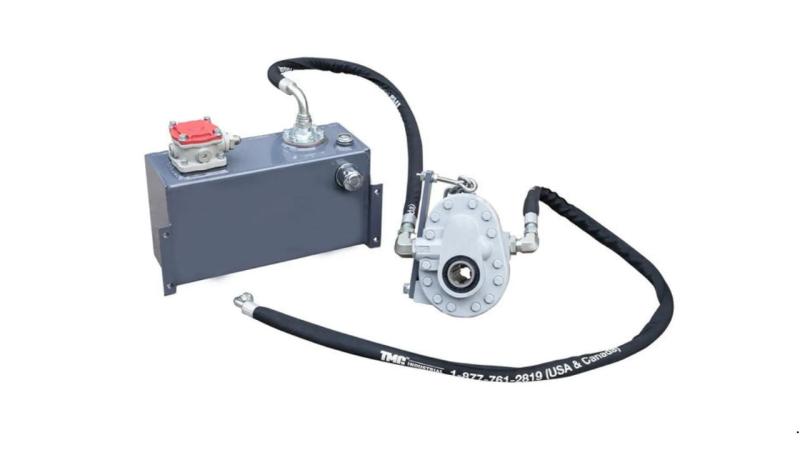
Gear Pump Assembly with Hydraulic Tank provides a dedicated and
portable solution to generate hydraulic power independently.
Technical Overview and Core Function
This unit is an integrated hydraulic power pack. It combines
an electric motor, a gear pump, a fluid reservoir (tank), control valves, and
necessary filters into a single assembly. It functions as a standalone system
to convert electrical energy into hydraulic fluid flow and pressure.
Primary Applications in Industrial
and Logistical Settings
Common use cases include:
- Providing
hydraulic power to tractor attachments where the tractor's system is
inadequate or unavailable.
- Powering
standalone hydraulic tools like shop presses, dump trailers, or
compactors.
- Servicing
as a test bench or power source for hydraulic component repair and
verification.
- Acting
as an auxiliary power source for specific functions on custom machinery.
The Importance of Operational
Flexibility and Reliability
Having a dedicated hydraulic power unit enhances operational
flexibility. It allows equipment managers to utilize a wider range of hydraulic
attachments without modifying primary machines. This improves asset utilization
and can extend the functional life of older equipment. A reliable,
self-contained unit also reduces dependency on machine-specific hydraulic
systems, which may be underpowered or prone to failure.
Technical Fundamentals and
Specification Considerations
Selecting the correct power unit requires evaluating several
key parameters:
- Flow
Rate: Measured in gallons per minute, this determines the operating speed
of the hydraulic actuator (cylinder or motor).
- Pressure
Rating: The maximum system pressure, measured in pounds per square inch,
defines the force output capability.
- Tank
Capacity: The reservoir size must be sufficient for the system's volume
and to aid in heat dissipation.
- Motor
Power and Voltage: The electric motor's horsepower and electrical
requirements (e.g., 120V or 240V single-phase) must match the available
power supply.
Factors Affecting Performance and
System Longevity
Performance is influenced by proper fluid selection and
maintenance. Using the correct hydraulic fluid viscosity and keeping it clean
with regular filter changes are critical. Ambient temperature affects fluid
viscosity and system efficiency. Ensuring all connections are leak-free and the
unit is operated within its specified pressure and duty cycle limits is
essential for safety and durability.
Safety Considerations and
Operational Best Practices
Hydraulic systems operate under high pressure. Strict safety
protocols must be observed. Always consult the unit's operational manual.
- Inspect
all hoses and fittings for wear or damage before each use. Never use hands
to check for pressure leaks.
- Ensure
the unit is positioned on a stable, level surface to prevent tipping.
- Relieve
all system pressure before performing any maintenance or disconnecting
hoses.
- Use
only hydraulic fluid compatible with the pump, seals, and operating environment.
- Verify
the electrical supply is properly grounded and meets the Gear
Pump Assembly's requirements.
Equipment Types and System
Components
The primary product is the self-contained power unit.
Variations exist in motor type (electric, gasoline), pump technology (gear,
piston), and control valve complexity (manual, solenoid). Key components
include the pump, electric motor, reservoir, pressure relief valve, filter, and
often a four-way directional control valve for cylinder operation.
Advantages and Practical Limitations
Understanding the scope of a Self-Contained Hydraulic Power Unit is
crucial for proper application.
- Advantages: Provides
portable, on-demand hydraulic power. Increases versatility of
non-hydraulic base machines. Simplified installation compared to designing
a custom system. Often includes essential safety and control components in
one package.
- Limitations: Requires
an external power source for the electric motor. Finite flow and pressure
ratings limit the size of tools it can effectively power. Generates noise
and heat during operation. Requires routine fluid and filter maintenance.
Real-World Application Scenario
A warehouse uses a small, older tractor for yard
maintenance. The tractor lacks auxiliary hydraulics to operate a needed
hydraulic angle broom for clearing debris. Instead of purchasing a new tractor,
the facility acquires a self-contained gear pump assembly. The unit is mounted
on the tractor, and its hoses are connected to the broom. The tractor's
electrical system powers the unit, providing a cost-effective solution to add
critical functionality to existing assets.
Conclusion and Industry Outlook
For maintenance supervisors and equipment specialists, a
self-contained hydraulic power unit is a strategic tool for enhancing equipment
capabilities and workshop functionality. It represents a pragmatic approach to
solving power requirements for auxiliary hydraulic devices. Future trends may
include more energy-efficient motors, integrated electronic controls for
variable flow, and designs focused on easier serviceability. Incorporating such
a unit into a maintenance or operational plan can significantly improve
flexibility and reduce equipment investment costs for specialized tasks.
Post Your Ad Here
Comments