Understanding Thyroid Health: Different Types of Thyroid Disorders Explained
Did you know that more than 20 million Americans have some form of thyroid disorder, yet nearly half remain undiagnosed? The thyroid, a small butterfly-shaped gland located in your neck, plays a crucial role in regulating metabolism, energy levels, and hormone balance. Understanding thyroid health is key to identifying disorders early and maintaining overall wellness.
What Is the Thyroid and Why Is It Important?
The thyroid gland produces hormones like thyroxine (T4) and triiodothyronine (T3), which regulate metabolism, heart rate, digestion, and even body temperature. A properly functioning thyroid ensures your body uses energy efficiently and maintains hormonal balance. When the thyroid is overactive or underactive, it can lead to noticeable changes in weight, mood, and energy levels.
Common Types of Thyroid Disorders
Thyroid disorders can be broadly categorized into three main types:
1. Hypothyroidism (Underactive Thyroid)
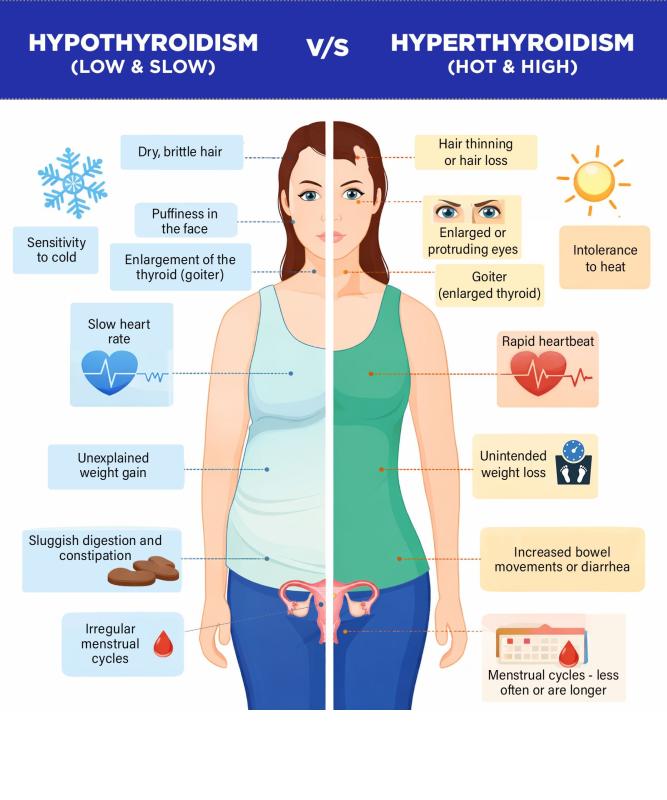
Hypothyroidism occurs when the thyroid gland produces insufficient hormones. This condition slows down bodily functions and can lead to:
Fatigue and low energy
Unexplained weight gain
Dry skin and hair loss
Depression or mood swings
Cold intolerance
Causes of hypothyroidism:
Autoimmune disorders such as Hashimoto’s thyroiditis
Iodine deficiency
Certain medications
Thyroid surgery or radiation
Treatment:
Hypothyroidism is commonly managed with thyroid replacement therapy, which provides the body with synthetic hormones to restore normal function.
2. Hyperthyroidism (Overactive Thyroid)
Hyperthyroidism occurs when the thyroid produces excess hormones, speeding up metabolism. Symptoms may include:
Rapid heartbeat or palpitations
Weight loss despite increased appetite
Nervousness or anxiety
Tremors in the hands
Heat intolerance
Causes of hyperthyroidism:
Graves’ disease (autoimmune)
Thyroid nodules
Excessive iodine intake
Treatment options:
Depending on severity, treatments may include medications, radioactive iodine therapy, or in some cases, surgery. Thyroid replacement therapy is not used here but may be necessary if treatment leads to an underactive thyroid.
3. Thyroid Nodules and Goiter
Thyroid nodules are lumps in the thyroid that may be benign or malignant. Often, they are detected during routine checkups or imaging scans.
A goiter refers to an enlarged thyroid, which can be caused by iodine deficiency, autoimmune diseases, or nodules. While many nodules and goiters are harmless, some can affect swallowing, breathing, or hormone balance.
Symptoms to watch for:
Visible swelling in the neck
Difficulty swallowing or breathing
Hoarseness or voice changes
Treatment:
Depending on size and type, treatments range from monitoring to surgery. If the thyroid is removed or compromised, thyroid replacement therapy may be required to maintain hormone balance.
4. Thyroid Cancer
Though less common, thyroid cancer is on the rise. It often presents as a painless lump or nodule in the neck. Early detection is key for successful treatment, which may include surgery, radioactive iodine, or hormone therapy. Post-surgery, thyroid replacement therapy is often necessary to support the body’s hormone needs.
Thyroid Replacement Therapy
For many thyroid disorders, thyroid hormone replacement therapy is the mainstay treatment.
What It Is:
Synthetic or bioidentical hormones (usually levothyroxine for hypothyroidism) replace the deficient thyroid hormone.How It Works:
The therapy restores normal metabolism, improves energy, and stabilizes weight.Example:
A 50-year-old woman with Hashimoto’s thyroiditis began levothyroxine 50 mcg daily. Within 6 weeks, her TSH levels normalized, and fatigue and brain fog improved significantly.
Key Points:
Dosage is individualized based on blood tests (TSH, T3, T4).
Therapy is usually lifelong for chronic hypothyroidism.
Regular monitoring ensures hormone levels stay in the optimal range.
Maintaining Thyroid Health
Supporting your thyroid involves a combination of lifestyle, diet, and medical care:
Ensure adequate iodine intake through diet (iodized salt, seafood, dairy)
Maintain regular checkups if you have symptoms or family history
Manage stress and get sufficient sleep
Avoid excessive consumption of goitrogenic foods if you have thyroid issues (e.g., raw cruciferous vegetables)
Follow prescribed treatment like thyroid replacement therapy diligently
FAQs About Thyroid Disorders
Q1: Can thyroid disorders affect weight?
Yes. Hypothyroidism often leads to weight gain due to slowed metabolism, while hyperthyroidism can cause weight loss. Proper diagnosis and thyroid replacement therapy (if needed) help manage these changes.
Q2: How often should I check my thyroid levels?
For healthy adults, routine thyroid screening every 5 years is suggested. If you have symptoms or a history of thyroid disease, your doctor may recommend testing every 6–12 months.
Takeaway
Understanding your thyroid is vital for overall health, as imbalances can affect energy, weight, and mood. Early detection of disorders, combined with proper treatment like thyroid replacement therapy when necessary, can help you live a healthier, more balanced life. Stay alert to symptoms, consult your healthcare provider, and prioritize thyroid wellness as part of your routine health care.

Post Your Ad Here
Comments