A Basic Guide to Shockwave Therapy and Plantar Fasciitis Pain Relief
Plantar fasciitis is one of the most common causes of heel pain, affecting nearly 10% of people at some point in their lives, especially runners and those who stand for long hours. Advances like Shockwave Therapy have emerged as non-invasive options to help reduce pain and improve healing without surgery.
Understanding the Problem and the Solution
Sharp heel pain when taking your first steps in the morning can be frustrating and limiting. This discomfort is often linked to Plantar Fasciitis, a condition caused by inflammation or micro-tears in the plantar fascia ligament. Shockwave Therapy is a modern, evidence-based treatment designed to stimulate healing and provide lasting pain relief.
What Is Plantar Fasciitis?
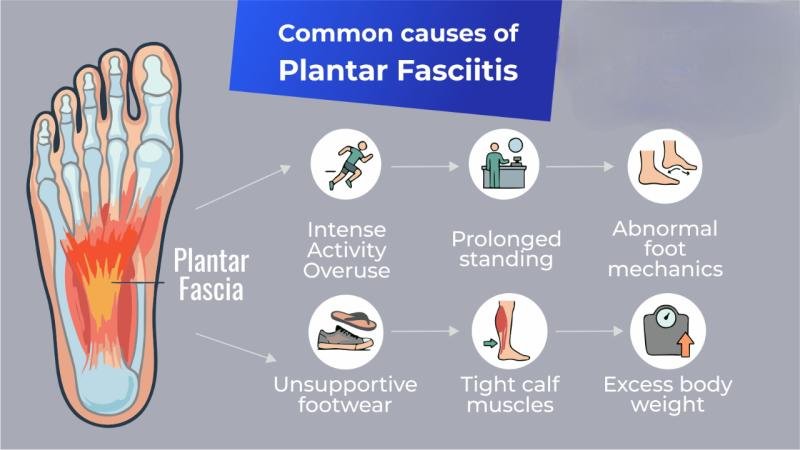
Plantar Fasciitis occurs when the thick band of tissue connecting your heel bone to your toes becomes irritated or damaged. This tissue supports the arch of your foot and absorbs shock during walking or running.
Common Symptoms
-
Sharp or stabbing heel pain
-
Pain that is worse in the morning or after rest
-
Discomfort after prolonged standing or walking
-
Tightness in the arch or heel
Common Causes
-
Overuse or repetitive strain
-
Standing on hard surfaces for long periods
-
Poor footwear with little arch support
-
Tight calf muscles or Achilles tendon
What Is Shockwave Therapy?
Shockwave Therapy, also known as Extracorporeal Shockwave Therapy (ESWT), is a non-invasive treatment that uses acoustic sound waves to target injured tissue. These sound waves stimulate blood flow and trigger the body’s natural healing process.
Unlike medications or injections, Shockwave Therapy works by encouraging tissue regeneration rather than masking pain.
How Shockwave Therapy Helps Plantar Fasciitis
Shockwave Therapy targets the root cause of Plantar Fasciitis rather than just the symptoms. It promotes healing by:
-
Increasing blood circulation to the plantar fascia
-
Breaking down scar tissue and calcium deposits
-
Reducing inflammation and pain signals
-
Stimulating collagen production for tissue repair
Many patients notice gradual improvement over several sessions, especially when combined with stretching and lifestyle changes.
What to Expect During Treatment
A typical Shockwave Therapy session is straightforward and quick.
During the Session
-
A handheld device delivers sound waves to the heel
-
Treatment usually lasts 10–15 minutes
-
Mild discomfort may be felt but is generally tolerable
After the Session
-
No downtime required
-
Normal activities can usually be resumed
-
Improvement may be noticed after a few sessions
Most treatment plans involve 3–6 sessions, depending on the severity of the condition.
Additional Tips for Managing Plantar Fasciitis Pain
While Shockwave Therapy can be effective, supporting your feet outside the clinic is just as important.
Helpful Lifestyle Measures
-
Stretch calves and feet daily
-
Wear supportive footwear with good arch support
-
Avoid walking barefoot on hard floors
-
Use ice to reduce inflammation
Sleep and Recovery Matter
Good rest supports healing. Maintaining proper foot alignment during sleep and overall comfort—just like choosing the best pillow for neck and spine support—can make a difference in how your body recovers overnight.
Who May Benefit Most from Shockwave Therapy?
Shockwave Therapy may be especially helpful for people who:
-
Have chronic Plantar Fasciitis lasting more than 6 months
-
Have not improved with rest, stretching, or orthotics
-
Want to avoid injections or surgery
-
Need a non-invasive treatment option
A healthcare professional can help determine if this therapy is appropriate for your condition.
Frequently Asked Questions
Is Shockwave Therapy safe for Plantar Fasciitis?
Yes. Shockwave Therapy is considered safe and non-invasive when performed by trained professionals. Side effects are usually mild and temporary, such as slight soreness or redness.
How long does it take to see results?
Some patients feel improvement after the first few sessions, while others notice gradual relief over several weeks as healing progresses.
Final Takeaway
Plantar Fasciitis can significantly impact daily life, but understanding your treatment options empowers better decisions. Shockwave Therapy offers a modern, non-surgical approach that supports the body’s natural healing process. Early awareness, proper foot care, and professional guidance can go a long way in achieving lasting pain relief and healthier movement.

Post Your Ad Here
Comments