Discover the Benefits of a Commercial Freezer for Your Restaurant
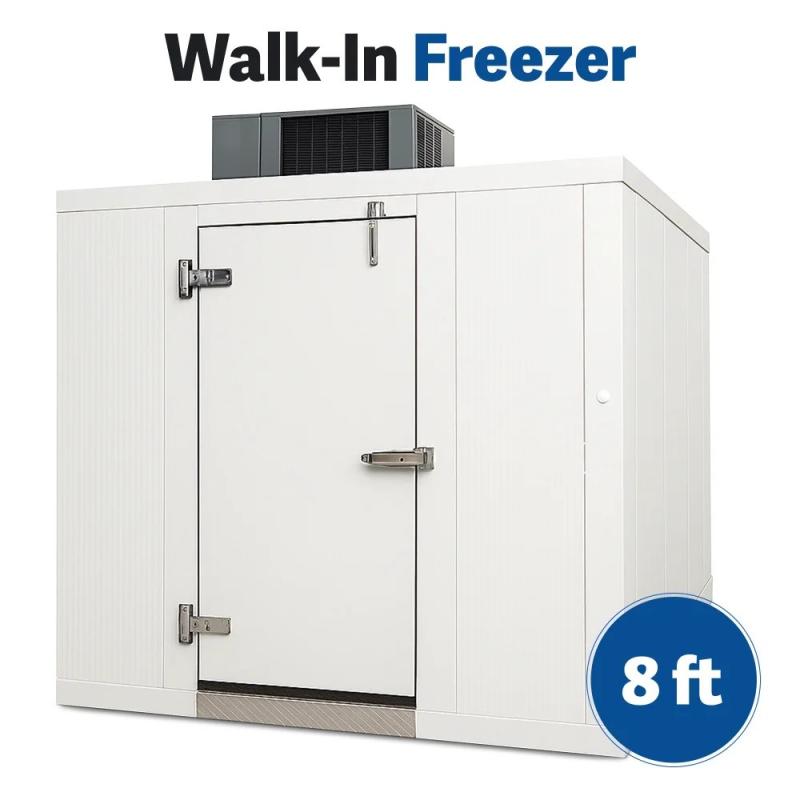
That deep, cavernous chest freezer might seem like a great storage solution until you’re digging past frozen bread and mystery meat from two years ago just to find the ice cream. A walk-in freezer doesn’t just offer more space; it offers smarter, more visible space. In practice, even a small closet-sized walk-in provides the equivalent of seven or eight chest freezers, completely changing the game.
The real magic comes from vertical walk-in freezer shelving ideas that transform a chaotic pile into a tidy library of food. Imagine that bulk purchase from a warehouse club: instead of a jumble, you have a dedicated shelf for the 40-pack of chicken, another for pizzas, and a third for bags of fruit—all visible and instantly accessible. Nothing gets lost, buried, or forgotten.
This system is one of the most effective bulk inventory management solutions for preventing food waste at home. By assigning everything a place, you eliminate the risk of items getting pushed to the bottom and expiring. You always know exactly what you have, which saves money and makes meal planning dramatically simpler.
A simple framework for how to organize a walk-in freezer for efficiency is to think in zones. This three-tier strategy works wonders for most setups:
- Top Shelf: Lighter items like baked goods and pre-portioned meals.
- Middle Shelf (Eye-Level): High-turnover items like meats and vegetables you use weekly.
- Bottom Shelf: Heavy bulk boxes and long-term storage items.
How a Walk-In Freezer Can Slash Your Grocery Bill
Everyone loves a good deal, but the best prices are often hidden behind a single barrier: volume. You might see a fantastic sale on chicken or get the chance to buy a quarter-cow directly from a local farmer, but the reality of fitting 50 pounds of meat into a standard kitchen freezer stops you cold. This is where the true financial power of a walk-in freezer comes into play. It’s not just about having more space; it's about gaining access to a different level of purchasing power, unlocking significant cost savings from buying in bulk that are simply out of reach for most households.
Imagine paying $4 per pound for ground beef instead of the usual $7. By purchasing directly from a supplier, those numbers are realistic, but you have to commit to a large order. A walk-in freezer gives you the capacity to say "yes" to that deal. That single purchase of 100 pounds could instantly save you $300. Whether it’s stocking up on produce at the end of the harvest season or buying seafood straight from a distributor, the walk-in acts as your personal warehouse, turning a logistical problem into a major financial win.
While the initial investment is a key consideration in the list of walk-in freezer pros and cons, many owners find their unit pays for itself over a few years. When asking, "is a walk-in freezer worth it?", the answer often lies in your grocery receipts. Each bulk purchase chips away at the upfront cost, transforming the freezer from an expense into a money-saving tool. Of course, these savings only matter if the food you store remains fresh and delicious. Surprisingly, the design of a walk-in also excels at protecting food quality for the long haul.
Why Your Food Tastes Better from a Walk-In Freezer
Saving money on bulk buys means nothing if the food ends up a dry, icy brick. We’ve all felt the disappointment of pulling out an expensive steak only to find it ruined by freezer burn. Many people think this is just a side effect of freezing food for too long, but the real culprit is something else entirely: unstable temperatures. This is one of the most effective areas for reducing food spoilage solutions.
Your home freezer's auto-defrost cycle is a major cause of this problem. To prevent ice buildup on the freezer walls, the unit periodically warms up slightly. Each time it does, a tiny bit of moisture escapes from your food's surface. When the freezer cools back down, that moisture refreezes as ice crystals on the outside of your food, leaving the food itself dry and tasteless. Over time, this repeated cycle of warming and cooling is what destroys texture and flavor.
This is where a walk-in freezer changes the game. Built with thick, hyper-insulated walls and a powerful, efficient cooling system, a walk-in is designed for rock-solid food safety temperature consistency. It doesn’t need frequent, aggressive defrost cycles. Think of it like a giant thermos; once it’s cold, it stays consistently cold. This stability is one of the best long-term food preservation methods, as it keeps moisture locked inside your food where it belongs.
The result is food that maintains its original quality for far longer. That quarter-cow you bought six months ago will still cook up juicy and flavorful, and berries frozen at the peak of summer will still be perfect for a smoothie in January. You waste less food and get to enjoy the full value of your investment. But what about just using several chest freezers instead?
Walk-In vs. Multiple Chest Freezers: A Head-to-Head Comparison
If a walk-in seems like too big a leap, your first thought might be to line up a few chest freezers in the garage. It's a common approach, but it creates a surprising problem: wasted space. In the walk-in freezer vs chest freezer debate, floor space is a key factor. Three separate units don't just take up room for the Commercial freezers themselves; you also need clearance around each one to lift the heavy lids. A single walk-in consolidates that footprint into one efficient block, often taking up less total square footage than the scattered alternative.
Beyond the floor plan, think about the simple act of finding what you need. Hunting for a specific item could mean digging through three different icy chests, a frustrating task for any homeowner or a time-waster for a home baker. A walk-in, with its shelving and open space, keeps everything visible and organized in one location. This convenience is one of its major advantages.
Quick Comparison:
- Walk-In Freezer: A single, large footprint with one door and one cooling system to manage.
- Multiple Chest Freezers: Several smaller, awkward footprints with multiple heavy lids and multiple cooling systems to run.
You'd also be running three separate motors instead of one. It’s a bit like trying to power a bus with three go-kart engines instead of one efficient diesel engine. Each small freezer's motor has to work hard to maintain temperature, and you have three potential points of failure. A walk-in's single, powerful system is built for efficiency at scale, often using less total electricity to keep a much larger space perfectly frozen, a critical point when considering its long-term value.
When you weigh the benefits, the walk-in often wins on space and convenience. But the biggest surprise for many is that energy advantage. It seems backward that a giant cold room could be cheaper to run, so let's look at exactly how that works.
The Surprising Truth About Walk-In Freezer Energy Use
It seems backward, but the impressive size of a walk-in is actually part of its energy-saving secret. Think of it like a giant, high-end thermos. Once the massive volume of air and food inside is frozen, it holds onto the cold with incredible stability. This concept, known as thermal mass, means the cooling system doesn't have to constantly cycle on and off to fight temperature changes. The thick, seamless insulation works so well that the unit’s powerful motor can rest for long periods, directly impacting the overall energy consumption of walk-in freezers.
That efficiency extends even to the moment you open the door. Cold air is heavy and dense—it naturally wants to sink to the floor. When you lift the heavy lid on a chest freezer, warmer air from the room rushes in and displaces the cold air, which spills out like water from an overturned bucket. With a walk-in, you open a vertical door. Only a small amount of the cold air at your feet escapes, while the vast majority of the frozen air stays put inside the room.
When you combine this thermal stability with minimal air loss, the conclusion becomes clear. While it takes a significant amount of energy to cool a walk-in freezer initially, its day-to-day running costs can be surprisingly low, often less than running several less-efficient chest freezers. This efficiency is a huge factor in deciding if is a walk-in freezer worth it, and it’s one of the key advantages of commercial cold storage that scales down beautifully. This practicality is precisely why they’re a viable option for more than just businesses.
Who Actually Uses a Walk-In Freezer? (The Answer Might Surprise You)
When you hear “walk-in freezer,” your mind probably jumps to a bustling restaurant kitchen. But since they can be so practical and efficient, the list of users is much broader and more interesting than you might think. It’s not just for professional chefs; it’s for anyone whose passion or lifestyle has outgrown the limits of a standard kitchen appliance.
For homesteaders and avid gardeners, a walk-in is the ultimate tool for preserving a harvest. Instead of a frantic race to can, pickle, and jam every last tomato before it spoils, a walk-in provides the space to freeze bushels of produce at peak freshness. This transforms the garden from a seasonal hobby into a year-round food source, representing one of the most effective long-term food preservation methods.
The same principle applies to hunters and fishers. A successful season can mean bringing home hundreds of pounds of meat at once—far too much for a chest freezer. A walk-in offers an organized, accessible space to store game properly, ensuring nothing goes to waste and making it easy to retrieve exactly what you need for a family meal.
It’s also a game-changer for the budding entrepreneur. A home baker preparing for a farmers' market or a caterer starting out needs the best food storage for small business they can get. A walk-in allows them to prep ingredients and store finished products in bulk, dramatically streamlining commercial kitchen workflow without the expense of a full commercial lease.
What all these people have in common is a need that grew beyond the freezer aisle. From large families who save money buying from warehouse clubs to community groups sharing resources, a walk-in freezer is simply a solution for anyone who needs more space, better organization, and the peace of mind that comes with being well-stocked.
Is a Walk-In Freezer Worth It for You?
You once saw a walk-in freezer as something reserved for restaurants, an industrial box far removed from daily life. Now, you see it for what it can be: a powerful tool for your home. You’ve moved beyond the frustration of freezer Tetris to understanding how the core walk-in freezer benefits—massive space, bulk-buying savings, and superior food quality—can transform a chaotic chore into an organized, money-saving system.
But is a walk-in freezer worth it for your specific needs? Reviewing the pros and cons is simple. A walk-in might be right for you if:
- You constantly play “freezer Tetris.”
- You want to save significant money by buying in bulk.
- You hunt, fish, or have a large garden.
- You run a small food business from home.
If you found yourself nodding along, don’t let the idea of installation stop you. Getting started is often simpler than you’d think. Many walk-ins are available as prefabricated kits that can be assembled in a garage or basement, making it a surprisingly manageable project. You now have the knowledge to see not just a big, cold room, but a practical solution that might be closer within reach than you ever imagined.
Post Your Ad Here
Comments