The Digital Blueprint: A Comprehensive Guide to Real Estate Marketing in 2026
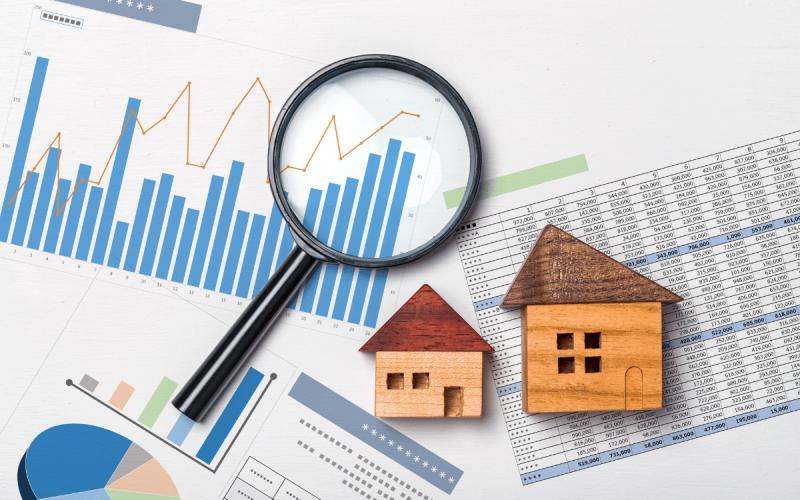
The landscape of the real estate industry has undergone a
seismic shift. Gone are the days when a "For Sale" sign on a front
lawn or a half-page newspaper advertisement was enough to drive footfall. In
2026, the property buying journey begins and is often decided on a five-inch
smartphone screen.
As digital adoption reaches an all-time high, developers,
brokers, and consultants must adapt or risk becoming invisible. Recent data
indicates that over 70% of homebuyers now conduct extensive online
research, comparing prices, checking locations via satellite views, and reading
developer reviews before they ever step foot on a project site. For a real
estate business to thrive today, a robust digital presence isn't just a luxury;
it is the foundation of growth.
1. The Power of Search: Winning the "Location" Battle
When a potential buyer types "3 BHK luxury flats in
Baner" or "ready-to-move-in apartments near me" into Google, the
results they see first are the ones most likely to get the inquiry. Search
Engine Optimization (SEO) remains the most cost-effective way to build
long-term visibility.
However, modern SEO for real estate has moved beyond simple
keywords. It now requires:
- Hyper-Local
Optimization: Dominating local map searches through a well-maintained
Google Business Profile.
- Structured
Data: Using schema markup to ensure search engines can read your
property prices, availability, and configurations directly.
- Intent-Based
Content: Creating high-value guides, such as "A Guide for NRIs
Buying Property in India" or "How to Calculate RERA Carpet
Area," to capture buyers at the research stage.
2. Precision Targeting with a Professional Real Estate PPC Agency
While SEO is a marathon, Pay-Per-Click (PPC) advertising is
a sprint. In a competitive market where every day of unsold inventory costs
money, immediate visibility is paramount. This is where partnering with a
specialized Real
Estate PPC Agency becomes a game-changer.
Paid search allows you to target users with surgical
precision. Instead of a broad "spray and pray" approach, you can
target specific demographics, income groups, and even postal codes. In 2026,
the most successful campaigns used "intent-based" bidding showing ads
only to those who have recently visited property portals or searched for home
loan interest rates. By leveraging Google Ads and Meta Ads, developers can
drive high-quality leads directly to their sales funnels within hours of a
campaign launch.
3. Visual Storytelling: The New "Site Visit"
Real estate is inherently visual and emotional. In the
digital age, the first "site visit" happens via video.
- Drone
Cinematography: Providing a bird’s-eye view of the neighborhood,
connectivity, and construction progress.
- Virtual
Reality (VR) and 3D Walkthroughs: Allowing buyers to "walk
through" a sample flat from the comfort of their current home.
- Social
Media Engagement: Platforms like Instagram and YouTube are the new
brochures. Short-form videos (Reels) showcasing lifestyle amenities or
"a day in life" at a premium project create a psychological
connection that a static image never could.
4. Closing the Gap: Real Estate Conversion Rate Optimization Services
Generating traffic is only half the battle; the real
challenge lies in converting that traffic into site visits. Many real estate
websites suffer from high bounce rates because they are too slow, difficult to
navigate, or lack clear calls to action (CTAs).
Investing in Real
Estate Conversion Rate Optimization Services ensures that every dollar
spent on marketing is working as hard as possible. This involves A/B testing
landing pages, optimizing mobile load speeds, and integrating "Instant
Callback" features. In 2026, the integration of WhatsApp marketing is a
crucial CRO component. Allowing a user to click a button and start a chat with
a sales representative immediately reduces friction and increases the
likelihood of a lead becoming a "hot" prospect.
5. Nurturing the Long Journey: Email and CRM Marketing
A real estate purchase is rarely an impulse buy. The
decision-making process can span anywhere from three months to a year. Digital
marketing allows you to stay "top-of-mind" throughout this period.
- Drip
Campaigns: Automatically sending project updates, construction
milestones, and exclusive offers to leads who haven't yet booked.
- Educational
Newsletters: Providing value by explaining tax benefits under Section
80C or updates on local infrastructure developments (like a new Metro
line).
- Retargeting:
Showing "reminder ads" to people who visited your pricing page
but didn't fill out the inquiry form.
6. Holistic Growth with Real Estate Digital Marketing Services
To orchestrate all these moving parts SEO, PPC, social
media, and Content businesses are increasingly turning to comprehensive Real
Estate Digital Marketing Services. A full-stack approach ensures that
your branding is consistent across all platforms.
A unified strategy ensures that the "voice" a
buyer hears on an Instagram Reel matches the professionalism they find on your
website and the urgency they feel in your email newsletters. It also allows for
better data attribution knowing exactly which channel delivered the buyer who
eventually signed the deed.
7. Recent Trends and Updates in 2026
The industry continues to evolve with the help of
technology:
- AI
Chatbots: These are no longer basic scripts; they are sophisticated
assistants capable of qualifying leads, answering complex questions about
floor plans, and even scheduling site visits 24/7.
- Predictive
Analytics: Marketing teams are now using AI to predict which leads are
most likely to convert based on their online behavior, allowing sales
teams to prioritize their calls.
- Personalized
Video Marketing: Sending a personalized video message from the project
manager to a prospective buyer can significantly increase trust and brand
recall.
Conclusion: Building the Future
The real estate market in 2026 is fiercely competitive, but
the digital age offers unprecedented tools to reach the right buyer at the
right time. By moving away from traditional, unmeasurable advertising and
embracing a data-driven digital strategy, developers and agents can build more
than just buildings they can build lasting brand equity.
Whether it is through the technical precision of SEO, the
immediate impact of a Real Estate PPC Agency, or the lead-refining power of
Real Estate Conversion Rate Optimization Services, the goal remains the same:
building trust. In a sector where trust is the primary currency, a transparent,
engaging, and professional digital presence is your most asset.
If you aren't visible online, you don't exist in the eyes of
the modern buyer. It is time to stop selling square footage and start selling a
digital experience that leads home.
Post Your Ad Here
Comments