Peptides in Neuroscience: Potential Functions and Brain-Related Impacts
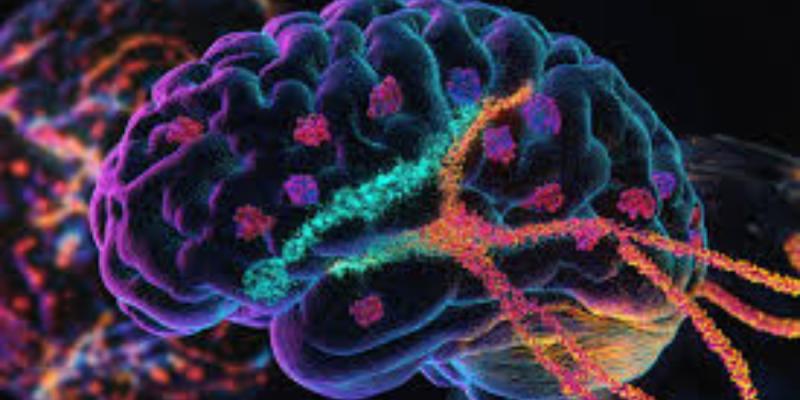
The human brain is often described as the most complex structure in the known universe. For decades, researchers focused primarily on traditional neurotransmitters like serotonin and dopamine to explain how it works. However, a new frontier has opened in neuroscience, shifting the spotlight to a diverse and powerful class of molecules: peptides.
Peptides—tiny chains of amino acids linked by peptide bonds are increasingly becoming a focal point in neurological research. Unlike rigid small molecules, these versatile chains are believed to exhibit a wide range of biochemical activities. It has been hypothesized that they play a crucial role in modulating numerous neural processes, from how we learn to how we handle stress. With growing interest in understanding the complex relationship between peptides and brain function, there is considerable potential for exploring Peptides benefits in cognition, neuroprotection, and neural communication.
Peptides and Neurotransmission: A Complex Interaction
The brain relies on a sophisticated network of chemical messengers to facilitate communication between neurons. While neurotransmitters like glutamate are the "workhorses" that carry the main signal, peptides often act as the "conductors," fine-tuning how that signal is received.
Peptides have been theorized to influence these neurotransmitter systems by acting as neuromodulators. For example, neuropeptides produced in the central nervous system are believed to be co-released with standard neurotransmitters. They can alter receptor sensitivity, change the amount of neurotransmitter released, or even affect how long a signal lasts. This adds a layer of complexity to neural circuits, specifically those related to emotional regulation and cognitive flexibility.
Peptide Hormones and Brain Function
We often think of hormones as functioning only in the body insulin regulating blood sugar, or leptin regulating fat. However, Research Peptide studies have shown that these "body" hormones play a vital, direct role in the brain.
Insulin receptors, for instance, are widely distributed throughout the brain, particularly in areas involved in cognition such as the hippocampus and the prefrontal cortex. It has been hypothesized that insulin's role in glucose metabolism might influence neural energy availability. When the brain becomes "insulin resistant," it may struggle to form new memories, linking metabolic health directly to cognitive decline. Similarly, metabolic peptides are believed to impact attention and memory processing, bridging the gap between our physical health and our mental sharpness.
Peptides in Neuroprotection and Repair
One of the most exciting areas of study is the potential role of peptides in promoting neuroprotection and neural repair. It is theorized that certain peptides may facilitate neural regeneration, offering potential implications for neurological disorders where neuronal damage is prominent.
Brain-derived neurotrophic factor (BDNF) is the most well-known native peptide for this, supporting the survival of existing neurons and encouraging the growth of new synapses. However, researchers are also looking at synthetic analogs and other regenerative peptides.
For example, Thymosin Beta-4 is a naturally occurring peptide involved in tissue repair and inflammation control. In research settings, it is often studied for its potential to prevent cell death after injury. Laboratories investigating these regenerative properties often look for TB 500 5mg for Sale to use as a research tool in cellular repair models, hypothesizing that it may help reduce neuroinflammation and support central nervous system recovery.
Cognition, Learning, and Behaviour
The speculative role of peptides in supporting cognition and behaviour patterns is another area of great interest.
Oxytocin and Vasopressin: Neuropeptides such as Vasopressin and Oxytocin have been investigated for their potential impacts on memory and social learning. Vasopressin is theorized to influence long-term memory formation, possibly by modulating synaptic plasticity in the hippocampus. Oxytocin, famously known as the "love hormone," is believed to do much more than facilitate bonding; it may modulate fear-related memories in the amygdala, potentially impacting how we learn from social interactions and emotional trauma.
Melanocortins and the MT2 Peptide: Peptides also regulate fundamental behaviours through the melanocortin system. This brings us to the MT2 Peptide (Melanotan 2). While often researched for its effects on pigmentation, MT2 acts on melanocortin receptors in the brain (specifically MC3 and MC4). These receptors are deeply involved in the regulation of appetite and sexual behaviour. Current hypotheses suggest that modulating these central receptors can alter behavioural patterns related to drive and reward, making them a key subject in behavioural neuroscience.
Stress and the HPA Axis
Finally, we cannot discuss the brain without discussing stress. A specific class of peptides, the corticotropin-releasing factor (CRF) family, plays a massive role here.
CRF peptides appear to modulate biochemical responses to stress by interacting with the hypothalamic-pituitary-adrenal (HPA) axis. This interaction determines how much cortisol your body releases in response to a threat. It is theorized that imbalances in these peptide signals contribute to behavioural disorders like anxiety and depression. Understanding how to modulate these peptide pathways could unlock new ways to help the brain manage stress resilience.
Potential Future Directions
As research into the role of peptides in brain function continues to evolve, it opens the door to numerous potential implications. These molecules may provide new insights into support for cognitive function, neuroprotection, and emotional regulation.
The speculative nature of current research reflects the infancy of this field, but the implications are significant. From the regenerative potential investigated by scientists sourcing BPC 157 and TB 500 to the behavioural modulation seen in MT2 Peptide studies, peptides are proving to be the master keys of the central nervous system.
In conclusion, peptides act as the diverse, dynamic language of the brain. While much remains to be understood, their ability to bridge the gap between metabolism, immunity, and neurology highlights the vast potential for advancing our understanding of the human mind.
Post Your Ad Here
Comments