Pets in 2026: From Loyal Companions to Digital-Age Family Members
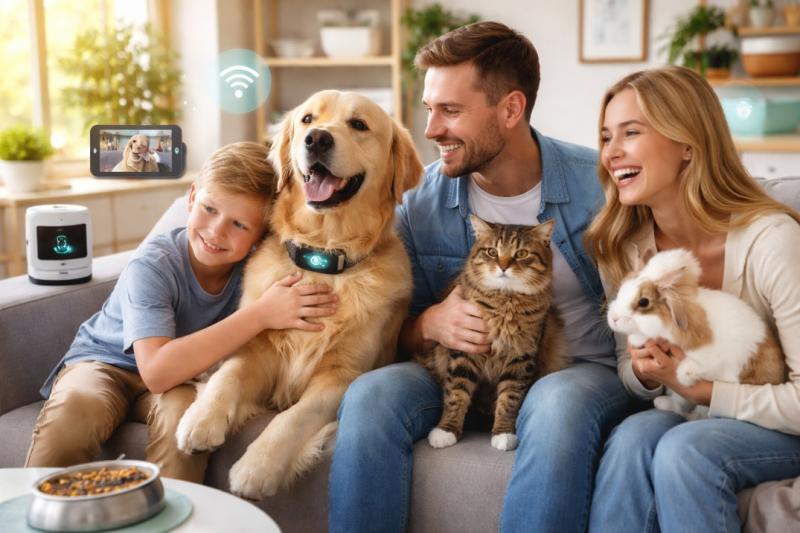
In 2026, the bond between humans and pets has reached new heights. Pets are no longer just animals we care for—they have become integral members of our families, influencing our lifestyles, emotional well-being, and even how we interact with technology. From the smallest hamster to the most majestic dog, pets continue to shape our lives in ways that were unimaginable a few decades ago.
The Evolving Role of Pets
Pets have always been cherished companions, providing comfort and joy. In the past, they were primarily valued for companionship or utility. Dogs protected homes, cats controlled pests, and birds added beauty to the household. Today, pets are seen as emotional anchors, digital-age family members who contribute to our social and mental health. Studies show that pet owners experience lower stress levels and improved emotional stability, highlighting the growing importance of pets in modern life.
Technology and Pet Care in 2026
The rise of technology has transformed the way we care for pets. Smart collars track activity, health, and sleep patterns, while automated feeders ensure timely nutrition even when owners are away. Pet cameras allow owners to monitor and interact with their pets remotely, providing reassurance and strengthening the human-animal bond. Additionally, virtual pet consultations and tele-veterinary services have made it easier than ever to address health concerns, making pet care more accessible and efficient.
Social Media and Pets
In the digital age, pets are increasingly becoming social media stars. Platforms like Instagram, TikTok, and YouTube showcase adorable and talented animals, creating communities of pet lovers worldwide. These platforms allow pet owners to share their pets’ personalities and adventures, turning ordinary moments into engaging stories. In 2026, pet influencers are not just entertainment—they also inspire responsible pet ownership and raise awareness about adoption and animal welfare.
Adoption and Ethical Responsibility
As pets have become more integral to family life, awareness about ethical adoption and responsible ownership has grown. Many families now prefer adopting from shelters or rescue organizations rather than purchasing from breeders. The emphasis is on providing loving homes, proper care, and long-term commitment. This shift reflects a broader cultural change: pets are cherished as living beings, not commodities.
Health and Wellness for Pets
In 2026, pet health is treated with the same importance as human health. Nutritional science, personalized diets, and preventive care have all improved, leading to longer, healthier lives for pets. Mental stimulation is recognized as equally important, with interactive toys, enrichment activities, and training programs helping pets thrive emotionally and physically.
The Emotional Connection
Pets offer more than companionship—they provide emotional support. In modern society, where stress and isolation are common, pets serve as constant sources of comfort, empathy, and unconditional love. For many, pets are family members who celebrate milestones, console during hard times, and provide daily joy. The human-animal bond is stronger than ever, reflecting a deep mutual understanding that transcends words.
Conclusion
The year 2026 marks a transformative era in pet ownership. Pets are no longer just companions—they are digital-age family members, sharing our homes, hearts, and even our online lives. With advancements in technology, a focus on health and wellness, and an emphasis on adoption and ethical care, pets today enjoy richer lives, and in turn, enrich ours. In every wag of a tail, purr, or chirp, we witness the enduring power of the bond between humans and animals—a bond that grows stronger with every passing year.


Post Your Ad Here
Comments