Chinchilla Care 2026: Smarter Diet, Safer Homes & Stronger Bonds
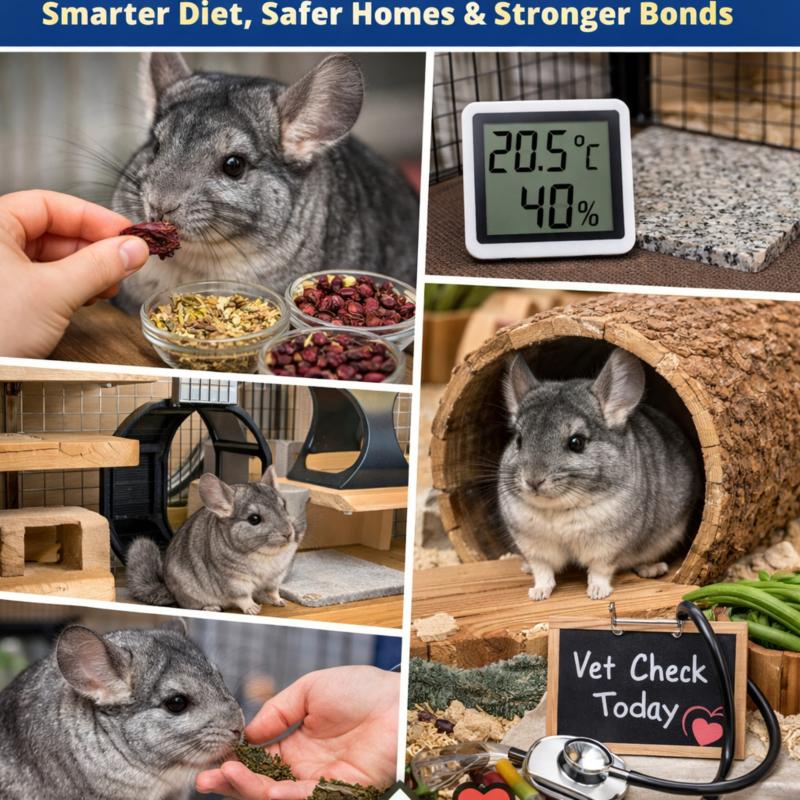
Chinchillas are among the softest, most intelligent, and most sensitive small pets you can welcome into your home. In 2026, chinchilla care has evolved into a blend of traditional husbandry and smarter, evidence-based practices focused on diet precision, environmental safety, mental enrichment, and emotional bonding. These nocturnal furballs, native to the Andes mountains, thrive when their physical and psychological needs are met with consistency and care.
Understanding the Chinchilla in 2026
Chinchillas (Chinchilla lanigera and Chinchilla brevicaudata) are high-energy, low-maintenance in grooming, but high-responsibility pets when it comes to climate, stress, and diet balance. Their dense fur contains 60–80 hairs per follicle, making them prone to overheating and humidity-related issues. They live 10–18 years, sometimes longer, which means ownership is a long-term commitment.
Modern pet care trends emphasize prevention over treatment. In 2026, owners rely more on gut-friendly feeding plans, toxin-free cage materials, stress-mapping behavior cues, and digital temperature tracking for safer habitats.
Smarter Diet in 2026: Nutrition That Protects the Gut
Core of the Diet
A chinchilla’s digestive system is herbivore-specific and fiber-dependent. The healthiest diet consists of:
-
Timothy hay or orchard grass hay (unlimited access, 80–90% of diet)
-
High-fiber pellets (specifically formulated for chinchillas, 16–20% fiber, low fat)
-
Fresh, clean water (changed daily)
-
Treats only 2–3 times a week (safe herbs or dried rose hips, no sugary fruits)
New Feeding Guidelines 2026
Chinchilla diets in 2026 avoid the old “occasional fruit” rule. Sugar—even natural sugar—can disrupt gut flora and lead to bloat, diarrhea, or life-threatening GI stasis. Instead, 2026 diet trends recommend:
-
Herbal enrichment treats (chamomile, hibiscus, rose petals, dandelion leaves)
-
No fresh vegetables or fruits (due to moisture and sugar risks)
-
No seeds, nuts, or cereal-based mixes (too high in fat and carbs)
-
Probiotic support only if vet-recommended (not daily supplements without need)
Dangerous Foods to Avoid
Never feed:
Grapes, raisins, bananas, apples, carrots, lettuce, cabbage
Yogurt drops, honey sticks, seed bars, human snacks
Anything moist, sugary, fatty, or dairy-based
Why Fiber Matters Most
Fiber keeps the teeth naturally worn down, stabilizes digestion, and mimics their natural grazing behavior. Poor fiber intake leads to dental overgrowth, painful chewing, drooling, weight loss, and infections.
Safer Homes 2026: Temperature, Materials & Cage Safety
Ideal Climate Setup
Chinchillas perform best at:
-
Temperature: 15–22°C (59–72°F)
-
Humidity: 30–50%
-
Airflow: draft-free but well-ventilated
2026 Smart Habitat Safety Upgrades
Owners increasingly use:
-
Digital thermometers + humidity sensors
-
Auto-alert cooling systems
-
Granite or ceramic cooling tiles inside cages
-
Toxin-free wooden accessories (kiln-dried pine shelves, apple wood sticks)
-
Metal or safe hardwood cages (no plastic bases, no rubber, no paint)
Cage Materials to Ban in 2026
Avoid:
Plastic trays, plastic wheels, plastic tunnels (they chew and ingest fragments)
Softwood with resins or paint
Fabric bedding, paper bedding with dyes, cat litter, corn cob bedding
Cage Setup Essentials
A 2026-safe chinchilla cage includes:
-
Multi-level wooden shelves
-
A solid metal exercise wheel (15"+ diameter)
-
Hanging chew toys
-
A dust bath zone (but not always available—only 10–15 minutes, 3–4x a week)
-
Hideouts for low-stress resting
-
No water bowls—use a drip bottle instead
Electrical & Room Safety
Outside the cage, chinchillas must never roam freely without supervision. They will chew:
wires, baseboards, furniture, glue, rubber, foam, houseplants
Use:
-
Wire protectors
-
Playpens made of metal or untreated wood
-
Supervised playtime only
Stronger Bonds 2026: Trust, Handling & Emotional Wellbeing
Handling the 2026 Way
Chinchillas hate forceful grabbing. Modern handling focuses on:
-
Letting them come to you
-
Scooping from below, never сверху
-
Short sessions at first (2–5 minutes)
-
Rewarding calm behavior with herbs
-
No hugging, squeezing, or sudden lifting
Bond-Building Activities
2026 bonding ideas include:
-
Consistent routine feeding times
-
Quiet voice interactions
-
Hand-feeding herbs
-
Evening play sessions
-
Clicker training (low-sound or vibration clickers)
-
Tunnel exploration games
-
Chin scratches only if they allow it
Reading Their Emotional Signals
Signs of comfort:
-
Relaxed posture
-
Slow blinking
-
Light hopping around you
-
Accepting treats calmly
Stress signs:
Fur slip when grabbed
Loud barking, teeth chattering, tail flicking
Hiding for long periods, refusing treats
Dental & Enrichment Care 2026
Teeth Health
They need:
-
Apple wood sticks
-
Mineral blocks only if vet approved
-
No calcium overuse
-
Constant hay to grind teeth naturally
Symptoms of dental problems:
-
Drooling
-
Wet chin fur
-
Weight loss
-
Food dropping
Enrichment
2026 enrichment is natural and chew-focused:
-
Wooden tunnels
-
Lava stone chews
-
Hay-based toys
-
Safe cardboard only if dye-free and glue-free
Health Monitoring 2026
Vet check frequency:
-
At least once a year
-
Immediately if stress or GI issues appear
At-home monitoring:
-
Weekly weight tracking
-
Temperature logs
-
Poop size and frequency check (indicator of gut health)
Breeding and Pairing Note 2026
Pairing must be ethical and gradual:
-
Neutral introduction zone
-
Same climate and diet for both
-
No pairing if either shows aggression or stress
Conclusion
Chinchilla care in 2026 is about fiber-rich diets, plastic-free habitats, temperature control, stress-free handling, and trust-based bonding. When cared for properly, chinchillas reward you with intelligence, affection, and entertaining bursts of energy. other breeds

Post Your Ad Here
Comments