The Ultimate Way to Unlock Real Estate Liquidity Using Digital Tokenization
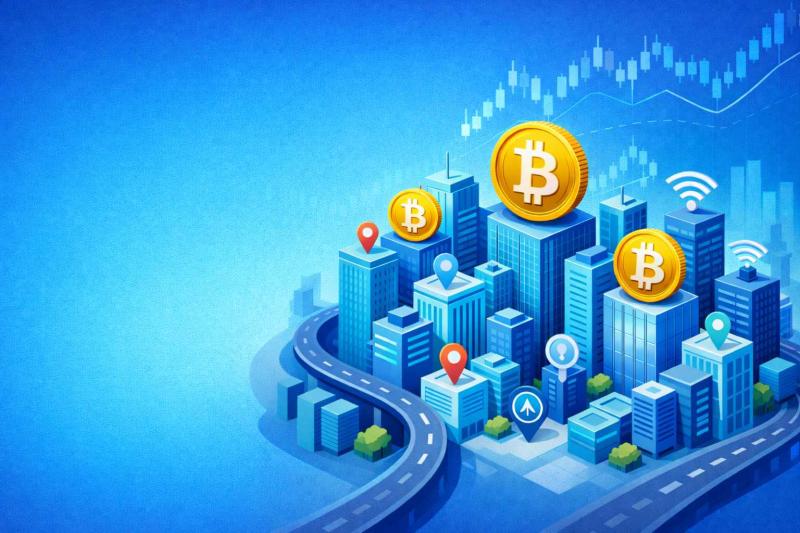
Real estate has traditionally been one of the most lucrative investment avenues, offering steady income and long-term appreciation. However, one of the most significant challenges in real estate investment has always been liquidity. Unlike stocks or bonds, selling a property can take months or even years, and investors often face high transaction costs, legal hurdles, and market restrictions. This lack of liquidity limits investor flexibility and prevents broader participation in real estate markets.
Digital tokenization is revolutionizing this scenario by transforming real estate assets into tradable digital tokens on a blockchain. Through tokenization, properties can be fractionally owned, traded seamlessly, and accessed by a global pool of investors. This blog explores the ultimate way to unlock real estate liquidity using digital tokenization, detailing its mechanisms, benefits, challenges, and future potential.
Understanding Real Estate Tokenization
At its core, real estate tokenization is the process of converting the ownership rights of a physical property into digital tokens on a blockchain. Each token represents a fractional ownership stake in the property, enabling investors to buy, sell, and trade these tokens like any other digital asset.
Tokenization relies on smart contracts, which are self-executing digital agreements that enforce ownership rights, dividend distribution, and compliance measures automatically. By leveraging blockchain technology, tokenization ensures transparency, immutability, and security while eliminating the need for intermediaries such as brokers, custodians, or banks.
Benefits of Real Estate Tokenization
- Accessibility for All Investors
Tokenization opens up real estate investment to a broader audience. Retail investors who could not previously afford high-value properties can now buy fractional shares, creating more inclusive investment opportunities. This democratization of access helps diversify the investor base and promotes financial inclusion in real estate markets. - Enhanced Liquidity
The most significant advantage of tokenization is liquidity. By converting property ownership into digital tokens, investors can sell or trade their holdings more easily, compared to traditional real estate transactions. This liquidity encourages more active participation and provides investors with flexible exit options. - Transparency and Security
Blockchain technology ensures transparency by providing a tamper-proof ledger of all transactions. Investors can verify ownership, track property performance, and review historical transactions without relying on intermediaries. Moreover, the decentralized nature of blockchain reduces the risk of fraud and ensures secure, reliable transactions. - Reduced Costs and Faster Transactions
Tokenization reduces reliance on intermediaries such as brokers, notaries, and banks, lowering transaction costs. Smart contracts automate processes such as payments, dividends, and compliance checks, significantly speeding up transactions. Investors can benefit from near-instant settlement times, compared to traditional real estate deals that may take weeks or months. - Global Market Access
Real estate tokenization allows properties to be accessible to global investors, not just local buyers. Digital tokens can be traded across borders, enabling foreign investors to participate in markets without the complexities of international property laws. This opens up opportunities for raising capital and attracting diverse investor pools.
How Digital Tokenization Unlocks Liquidity
Fractional Ownership
Traditionally, real estate investments require large capital commitments, which restricts participation to high-net-worth individuals or institutional investors. Tokenization allows for fractional ownership, where investors can purchase tokens representing small percentages of a property. This lowers the entry barrier, attracting a wider range of investors and creating a more liquid market for real estate assets.
Global Access and Market Expansion
Blockchain enables real estate tokens to be traded on global digital platforms. Investors no longer need to be physically present or navigate complex local regulations. By broadening the investor base to a global audience, tokenization increases demand and liquidity for properties.
Secondary Market Trading
Unlike traditional real estate tokenization, which can take months to sell, tokenized assets can be traded on secondary digital markets 24/7. This immediate tradability transforms illiquid real estate holdings into near-liquid assets, allowing investors to enter and exit positions rapidly without incurring high transaction costs.
Transparency and Trust
Blockchain’s decentralized ledger ensures all transactions are recorded immutably. Investors can verify property details, ownership history, and legal compliance, fostering trust and confidence. Enhanced transparency reduces fraud risk, making the market more attractive and efficient, thereby improving liquidity.
Step-by-Step Process of Real Estate Tokenization
Property Selection and Valuation
The tokenization process begins with selecting a property suitable for fractional ownership. Developers or owners must conduct a thorough valuation to determine the market price of the property. Legal due diligence is also critical, including verifying ownership, confirming property titles, and ensuring compliance with local laws. Accurate valuation ensures that token prices reflect real market value, maintaining investor confidence.
Structuring the Token Offering
Once the property is identified, the next step is designing the token structure. This involves determining the total number of tokens, their unit price, ownership rights, and potential revenue-sharing mechanisms. Developers may structure tokens to provide holders with rental income, profits from property appreciation, or both. Clear and well-defined tokenomics are essential to attract investors and maintain liquidity in the market.
Smart Contract Development
Smart contracts are digital agreements that automatically execute when certain conditions are met. For real estate tokens, smart contracts enforce ownership transfer, dividend distribution, and compliance with regulations. By automating these processes, smart contracts reduce administrative costs, eliminate human errors, and ensure transparent and efficient operations.
Regulatory Compliance
Tokenized real estate is often classified as a security, meaning it must comply with securities laws and regulations in different jurisdictions. This includes implementing Know Your Customer (KYC) procedures, Anti-Money Laundering (AML) measures, and other regulatory requirements. Consulting legal experts ensures that token offerings remain compliant, reducing legal risks and attracting institutional investors.
Token Sale and Distribution
Once legal approvals are in place, tokens are offered to investors via a digital platform or exchange. Investors can purchase tokens using fiat currency or cryptocurrencies, gaining fractional ownership in the property. Smart contracts automate token distribution, ensuring accuracy and eliminating delays associated with manual processes.
Secondary Market Listing
To maximize liquidity, tokens are often listed on secondary marketplaces where investors can freely trade them. These platforms provide price discovery, order matching, and secure settlement, allowing investors to buy or sell tokens quickly. Active secondary markets create a dynamic ecosystem, turning real estate into a highly liquid asset.
Challenges and Considerations
Despite its potential, real estate tokenization is not without challenges.
- Regulatory Uncertainty
Tokenized assets often fall under securities laws, which vary across countries. Navigating these regulations requires legal expertise and can limit market accessibility. - Market Adoption
While growing, the tokenized real estate market is still nascent. Limited investor awareness and platform availability can affect liquidity and price discovery. - Technology Risks
Smart contracts and blockchain platforms are susceptible to coding errors or cyberattacks. Ensuring robust security measures is essential to protect investors’ assets. - Valuation Transparency
Accurate property valuation is crucial for token pricing. Misvalued tokens can undermine investor confidence and liquidity. - Liquidity Dependency
Tokenized real estate relies on active secondary markets for liquidity. Without sufficient trading activity, tokens may still be challenging to sell quickly.
Future Potential of Real Estate Tokenization
The future of real estate tokenization is bright, with enormous potential to transform the global property market. Several trends are likely to drive its growth:
- Integration with Decentralized Finance (DeFi)
Tokenized real estate can be integrated with DeFi platforms to unlock additional liquidity and lending opportunities. Investors may use their property tokens as collateral for loans or trade them within DeFi protocols, creating innovative financial products that bridge traditional and digital finance. - Expansion into Commercial and Global Markets
Tokenization is not limited to residential properties. Commercial real estate, hospitality, and infrastructure projects can benefit from fractional ownership, attracting international investors and capital. As regulatory frameworks evolve, tokenized commercial properties may become a standard investment option globally. - Enhanced Investor Experience through Technology
Future platforms will likely incorporate advanced analytics, AI-powered valuations, and real-time trading dashboards, making it easier for investors to make informed decisions. Virtual property tours, blockchain-based legal documentation, and automated reporting will enhance transparency and streamline operations. - Sustainable and Green Real Estate Investments
Tokenization can also facilitate investment in sustainable and environmentally friendly projects. Fractional ownership allows smaller investors to support green building initiatives, renewable energy infrastructure, and eco-friendly developments, promoting socially responsible investment in real estate.
Conclusion
Real estate tokenization represents a revolutionary step forward in the evolution of property investment. By transforming illiquid assets into tradable digital tokens, blockchain technology is opening up new opportunities for investors, developers, and financial institutions. The benefits are clear: increased liquidity, reduced costs, global market access, enhanced transparency, and democratized investment opportunities.
As the market matures and regulatory frameworks solidify, tokenization is poised to become a standard approach to real estate investment. Investors who embrace this innovation will gain access to a flexible, efficient, and inclusive ecosystem, while property owners can unlock capital faster and reach a broader investor base. The ultimate way to unlock real estate liquidity lies in the seamless integration of blockchain, tokenization, and smart contract technology — a transformation that is redefining how we invest in, manage, and experience real estate.

Post Your Ad Here
Comments