How Tokenization Is Changing the Way We Buy, Sell, and Invest in Real Estate
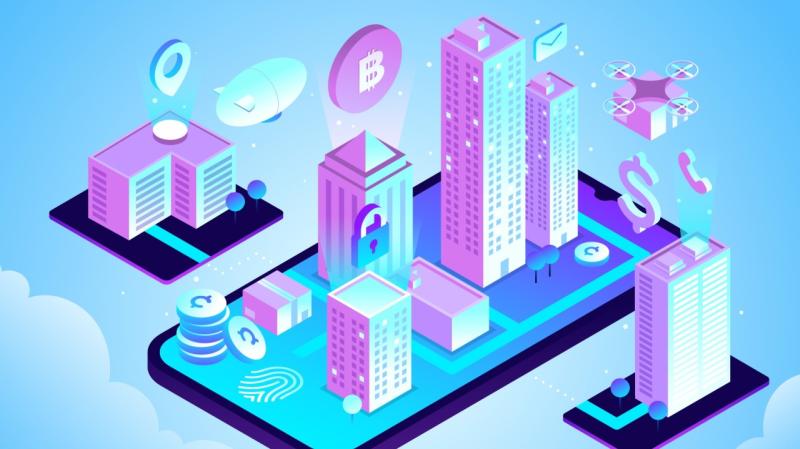
The real estate industry has traditionally been associated with high entry barriers, complex paperwork, long transaction timelines, and limited liquidity. Investing in property often requires significant capital, extensive due diligence, and navigating legal complexities. However, the emergence of blockchain technology and digital assets is revolutionizing this sector, making property ownership and investment more accessible, transparent, and efficient through real estate tokenization.
Tokenization refers to the process of converting ownership rights of a physical or digital asset into a digital token on a blockchain. In the context of real estate, tokenization allows investors to buy, sell, and trade fractional ownership of properties through secure, blockchain-based tokens. This innovation is not only reshaping investment strategies but also transforming the way real estate is bought and sold globally.
Understanding Real Estate Tokenization
Real estate tokenization involves creating digital tokens on a blockchain that represent ownership shares of a property. Each token corresponds to a fractional interest in the property, allowing investors to participate without purchasing the entire asset. These tokens can then be traded on secondary markets, providing liquidity and flexibility that traditional real estate investments cannot offer.
For example, a commercial property worth $1 million can be tokenized into 1 million tokens, each representing $1 of ownership. Investors can buy any number of tokens according to their budget, and transactions are recorded on a blockchain, ensuring transparency and security.
How Tokenization Is Transforming Real Estate Transactions
Tokenization is redefining how real estate is bought, sold, and invested in several key ways:
1. Democratizing Property Investment
Traditional real estate tokenization often requires significant capital, excluding small investors from high-value opportunities. Tokenization lowers this barrier by enabling fractional ownership, allowing investors to participate with smaller amounts of capital.
For instance, instead of buying an entire apartment, investors can purchase tokens representing partial ownership. This democratization not only attracts more investors but also promotes a more inclusive real estate market.
2. Enhancing Liquidity
Real estate is typically a long-term, illiquid asset. Selling a property can take weeks or months, depending on market conditions. Tokenization introduces liquidity by allowing investors to trade their tokens on blockchain-based marketplaces.
Fractional ownership tokens can be sold to other investors quickly and efficiently, creating a dynamic secondary market. This liquidity enables investors to access capital faster and diversify their portfolios more effectively.
3. Streamlining Transactions and Reducing Costs
Buying and selling property traditionally involves multiple intermediaries, including brokers, lawyers, banks, and title companies, leading to high transaction fees and long processing times. Blockchain-based tokenization automates many of these processes through smart contracts.
Smart contracts can automatically execute transactions, transfer ownership, and distribute dividends from rental income, reducing the need for intermediaries and lowering associated costs. This automation not only saves time but also minimizes the risk of human error.
4. Increasing Transparency and Trust
All tokenized property transactions are recorded on a blockchain, providing an immutable and transparent ledger. Investors can verify ownership history, property valuations, and transaction records at any time.
This transparency builds trust among investors and reduces the potential for fraud, misrepresentation, or disputes. It also facilitates compliance with regulatory requirements by providing a clear audit trail.
5. Facilitating Global Investment
Real Estate Tokenization makes it easier for international investors to participate in real estate markets without the need for physical presence or complex cross-border procedures. Blockchain allows for seamless transactions across geographies, enabling investors to diversify their portfolios globally.
For example, a U.S.-based investor can buy tokens representing a commercial property in London, and all transactions, including ownership transfers and dividend distribution, are handled digitally through smart contracts.
Advantages of Real Estate Tokenization
Tokenization offers several compelling advantages for investors, property developers, and the real estate industry as a whole:
-
Fractional Ownership: Investors can buy property shares according to their budget, promoting inclusivity and portfolio diversification.
-
Liquidity: Tokenized assets can be traded on secondary markets, offering faster access to capital compared to traditional real estate investments.
-
Lower Transaction Costs: Automation through smart contracts reduces the need for intermediaries, saving time and money.
-
Transparency: Blockchain provides an immutable ledger of ownership, transactions, and property history.
-
Global Access: Investors can participate in international real estate markets without complex regulatory or logistical hurdles.
-
Faster Settlement: Transactions executed via blockchain smart contracts are completed in minutes, compared to days or weeks in traditional systems.
Use Cases of Real Estate Tokenization
Tokenization is being applied in various real estate sectors, from residential properties to commercial buildings and luxury assets:
1. Commercial Real Estate
Large office buildings, shopping malls, and industrial warehouses can be tokenized, enabling multiple investors to participate in high-value assets. Tokenization also allows for the distribution of rental income directly to investors through automated smart contracts.
2. Residential Properties
Tokenization of residential real estate allows individuals to invest in apartments, condos, or housing complexes without purchasing the entire property. This opens new avenues for small-scale investors seeking passive income.
3. Luxury and High-Value Assets
Tokenization is particularly useful for luxury properties, where investment thresholds are traditionally high. High-net-worth investors can buy partial shares of exclusive properties, and token trading ensures liquidity in otherwise illiquid assets.
4. Real Estate Funds and REITs
Tokenization enables the creation of blockchain-based Real Estate Investment Trusts (REITs), allowing investors to buy and trade shares in diversified property portfolios. This increases accessibility, transparency, and efficiency compared to traditional REITs.
The Role of Smart Contracts in Real Estate Tokenization
Smart contracts are essential for automating and securing tokenized real estate transactions. They handle critical processes, including:
-
Token Issuance: Automatically minting tokens that represent property shares.
-
Ownership Transfer: Ensuring secure and verifiable transfer of ownership between investors.
-
Income Distribution: Automating rental income or dividend payments to token holders.
-
Compliance Management: Enforcing regulatory requirements such as KYC (Know Your Customer) and AML (Anti-Money Laundering).
By leveraging smart contracts, tokenization solutions ensure that real estate transactions are executed reliably, efficiently, and securely.
Challenges and Considerations
While real estate tokenization offers numerous benefits, there are challenges that investors and developers must consider:
-
Regulatory Compliance: Tokenized assets must comply with local and international real estate and securities regulations. Legal frameworks are evolving, and staying compliant is critical.
-
Market Adoption: Tokenized real estate is still an emerging market, and widespread adoption is ongoing. Investors need education and awareness to participate confidently.
-
Technology Risks: Blockchain and smart contract security are essential. Any vulnerabilities could lead to financial losses or data breaches.
-
Valuation Challenges: Accurately valuing tokenized property shares requires professional appraisals and market insights.
Despite these challenges, the benefits of tokenization make it a compelling solution for the future of real estate investment.
The Future of Real Estate Tokenization
The future of tokenized real estate is promising, with significant opportunities for investors, developers, and the broader market. As blockchain adoption grows and regulatory frameworks evolve, tokenization is expected to:
-
Increase the liquidity and accessibility of real estate assets globally.
-
Enable faster and more secure property transactions through smart contracts.
-
Promote fractional ownership, making property investment inclusive for smaller investors.
-
Integrate with emerging technologies like AI, IoT, and metaverse platforms for innovative real estate experiences.
Real estate tokenization is not just a technological innovation; it is a paradigm shift that transforms the way properties are bought, sold, and invested in worldwide.
Conclusion
Real estate tokenization is revolutionizing the property market by enabling fractional ownership, enhancing liquidity, streamlining transactions, and providing transparency and global access. By converting physical assets into blockchain-based tokens, investors can participate in real estate opportunities that were previously inaccessible, while developers and property owners benefit from faster capital flow and reduced administrative complexity.
As the adoption of blockchain technology grows, tokenized real estate is poised to become a standard in the global property market. By embracing tokenization, investors and businesses can unlock new opportunities, diversify their portfolios, and participate in a more inclusive, efficient, and transparent real estate ecosystem.
-
Post Your Ad Here
Comments