Modern Wedding Kurta Pajama Ideas for Men
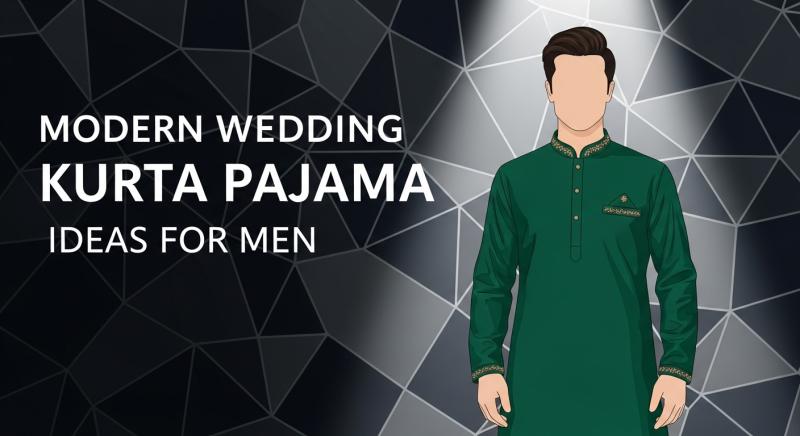
Modern Wedding Kurta Pajama Ideas for Men
Modern wedding kurtas has changed for one reason: weddings themselves have changed. The average function today is built for cameras, coordinated decor, and long hours of movement between rituals, stage photos, and social spaces. Men still want tradition, but they want it in a format that feels sharper, lighter to wear, and more “current” in photos without looking experimental.
The older idea of wedding dressing was simple: heavier fabric, heavier work, louder presence. The newer idea is more calculated. Modern does not mean minimal in every case. It means intentional. A modern wedding kurta for men is designed to look clean from a distance and detailed up close, with fit and finishing doing most of the work.
There is also a practical shift in how men buy. They are no longer shopping for one wedding. Many are attending multiple weddings in a season, sometimes back-to-back, and they need outfits that can be repeated with different styling. That is why modern choices lean toward versatile silhouettes, richer textures instead of loud embroidery, and colors that behave well under mixed lighting.
What Makes a Kurta Pajama Look Modern Today
Modern styling is not one feature. It is a set of small decisions that combine into a sharper overall impression.
Fit and silhouette control is the foundation. A kurta pajama can have premium fabric and still look dated if it hangs loosely and collapses at the shoulder line. Modern looks hold a cleaner frame: shoulders sit correctly, sleeves are refined, and the kurta length is balanced for your height and bottom style.
Surface design is more controlled. Modern wedding kurtas often use texture, self-weaves, tonal threadwork, or concentrated detailing instead of all-over heavy embroidery. This creates a premium look that stays wearable and photographs better.
Necklines and plackets have become more deliberate. Men are choosing sharper band collars, cleaner button lines, and more structured finishes because those details show clearly in close-up photos.
Fabric behaviour matters more. Modern wedding dressing prioritises fabrics that hold structure and look rich without excessive shine. This is why textured weaves and refined blends are more popular than flat glossy finishes.
Minimal vs Statement Styles: Finding the Right Balance
Most men struggle here because they think minimal equals underdressed and statement equals wedding-ready. In real weddings, both can fail if applied blindly.
A minimal modern wedding kurta pajama works when the fabric has depth and the finishing is sharp. Texture becomes the “statement.” This is why muted neutrals, deep blues, and off-whites with self-design look premium without heavy embroidery.
A statement look works when it is disciplined. Statement should come from one strong element: a rich color, a structured layer, or concentrated craft. When you stack all three, the look becomes crowded and starts feeling costume-like.
A practical way to choose balance is to use role and function as your filter. If you are a guest in a daytime ceremony, minimal modern styling with clean texture usually looks best. If you are attending a reception at night, you can push into richer color and stronger design details. If you are the groom, statement becomes appropriate, but still needs restraint and comfort.
Popular Modern Kurta Pajama Silhouettes for Weddings
Modern silhouettes are not about unusual cuts. They are about controlled proportions that look sharp in photos and still feel wearable for long functions. The silhouettes men are choosing right now share a few traits: cleaner lines, less excess fabric, and better compatibility with layering.
Straight-cut kurta with refined taper
This remains the most modern-looking option when executed correctly because it is simple, structured, and easy to style up or down. The modern version is not boxy. It has a cleaner shoulder line, a slightly tapered body, and a kurta length that sits at a balanced point rather than hanging too low.
It works for most wedding functions because it can be worn plain for day events and elevated for night with a jacket or stole. A straight cut kurta pajama also gives you the highest “repeatability,” which is why men buying for multiple weddings prefer it.
Long kurta with sharper structure (modern formal)
Long kurtas look modern when they are structured rather than flowy. The collar sits clean, the placket is sharp, and the fabric holds its line. This silhouette is popular for night functions because it reads formal without needing heavy embroidery.
In stores, you will often find this labelled as “long kurta” rather than achkan, but the modern approach is similar: clean vertical authority and controlled detailing.
Shorter kurta with tailored bottoms (modern ceremony vibe)
This is a more modern, city-wedding look, often chosen for mehendi, sangeet, and informal pre-wedding events. The key is that the bottom wear must be tailored and the kurta must not look casual. Many men fail here by wearing a short kurta that resembles daily wear.
When executed correctly, the silhouette feels youthful, sharp, and easy to move in. It also works well in functions where dancing and movement are more intense.
Kurta pajama with jacket (layered modern)
Layering looks modern because it adds structure instantly. A Nehru jacket or a clean long jacket creates a finished frame, especially in photographs where a plain kurta can look flat.
The modern layered look usually avoids loud contrast and focuses on texture differences: matte kurta with textured jacket, or textured kurta with quieter jacket. This silhouette is also popular because it lets men adjust formality quickly during the same day.
Pathani-inspired modern sets (clean masculine line)
Pathani has moved into modern wedding styling because it delivers a strong presence with minimal design complexity. The modern version is cleaner and more structured, often in deeper shades, and paired with sharper footwear. It works best for evening gatherings and certain wedding contexts where a bold, minimal look feels appropriate.
The important detail is finishing. A Pathani looks modern only when the fabric looks premium and the fit is sharp. Otherwise it looks like everyday ethnic wear.
Choosing the Right Fabric for a Modern Wedding Look
Modern fabrics are defined by performance. They must hold structure, photograph well under mixed lighting, and stay comfortable through long wear. Men who focus only on labels like “silk” or “premium” often end up disappointed, because fabric behaviour matters more than the tag.
The modern fabric direction: texture over shine
The biggest shift is that texture has replaced shine as the premium indicator. Textured fabrics look expensive in photos because they create depth without reflecting harshly. Shine-heavy fabrics look premium in store lights, but can look artificial under flash or stage lighting.
Modern buyers are choosing:
Jacquard and self-design weaves for depth
Textured silk blends that look rich without aggressive gloss
Refined cotton blends for day functions and comfort
Matte-finish fabrics that hold shape and look clean
Fabric choices that keep the look modern across functions
A modern wedding kurta should be wearable in both day and night settings. Fabrics that work across settings are those that keep their character in different light.
For day functions: heavier cotton, refined blends, and light texture fabrics keep you comfortable and still look wedding-ready.
For night and reception: textured silk blends, jacquard, and richer weaves hold depth and look premium under warm lights.
For repeat use: neutral textured fabrics are easiest to wear again, because they do not feel tied to one function.
A practical “in-store” fabric check
If you want to avoid buying fabric that looks modern in the mirror and disappointing in photos, use two quick checks:
Wrinkle test: lightly pinch the fabric and release. If it creases sharply and stays crushed, it can look tired after one function.
Flash behaviour check: tilt the fabric under light. If it reflects aggressively like a glossy surface, it can look harsh in photos, especially at receptions.
Modern fabric choices aim for controlled richness, not loud reflection.
Trending Colors in Modern Wedding Kurta Pajama
Modern wedding colors in 2026 are not random. They are driven by lighting realities and by the fact that most men want repeatable outfits. A “modern” color is usually one that looks premium without needing heavy work, coordinates easily with common wedding palettes, and stays stable in photos.
The modern color direction: depth + restraint
Modern colors tend to fall into two buckets: deeper shades that photograph cleanly at night, and refined light shades that look ceremonial in day events. The trend is not brightness. The trend is controlled richness.
Deeper modern shades that are moving fast:
Emerald / bottle green because it looks regal without being loud
Ink blue / midnight navy because it works for almost every function
Deep teal / petrol tones because they feel current and premium
Plum / aubergine because it reads formal and distinctive
Mocha / coffee neutrals because they look mature and wearable
Light modern shades that remain strong:
Ivory / cream with texture because it looks ceremonial and expensive
Champagne and warm off-whites because they add richness without glare
Sage and dusty pastels because they feel modern when the fabric has depth
A practical modern rule: if the shade relies on “brightness” to look festive, it risks looking harsh in photos. If the shade relies on depth and texture, it usually looks premium longer.
How to choose a modern shade without overthinking
Men often choose shade based on what looks good on a hanger. A better approach is to choose based on what the shade will sit next to: family outfits, wedding decor, and your own footwear and layers.
If you need one outfit for multiple functions, deep blues, emerald, and textured off-whites are the most forgiving. If you want a modern daytime look, sage, dusty rose, and warm neutrals are safer than very light pastels.
Modern Embroidery and Design Details to Look For
Modern wedding detailing is less about quantity and more about placement and finishing. In practical terms, modern design looks expensive when it appears intentional up close and calm from a distance. That is the opposite of many traditional “wedding heavy” pieces that look loud from far away and cluttered up close.
The modern embroidery pattern: concentrated, not everywhere
The most current design approach is concentrated detailing:
Collar and neckline refinement
Placket work that draws a clean vertical line
Minimal but sharp cuff finishing
Subtle motif placement near chest or shoulder, not full-body coverage
This style works because it keeps the outfit wearable and gives you a premium look in close-up photos without screaming in group shots.
Texture as a design element (the modern shortcut)
Texture is doing the job embroidery used to do. Men are buying:
Self-weaves and jacquard textures that look rich without extra craft
Tonal threadwork that shows depth without high contrast
Matte-on-matte detailing where the fabric and embroidery stay in the same family
This is modern because it looks sophisticated under camera lighting. It also avoids the “costume effect” that can happen with high-contrast, heavy surface work.
Buttons, collar, and finishing: the details that decide “modern”
Many outfits look outdated because of small finishing errors. Modern kurtas usually have:
Clean, structured band collars that sit flat
Button lines that look deliberate (not cheap plastic shine)
Plackets that stay straight and do not buckle
Neat stitching and stable inner finishing
These details are not glamorous, but they decide whether your wedding kurta pajama for men looks premium in real life.
What to avoid if you want a modern look
A modern outfit can still be festive, but it should avoid obvious red flags:
Over
Post Your Ad Here
Comments