Top 5 Common Mistakes in As Built Drawings and How to Avoid Them
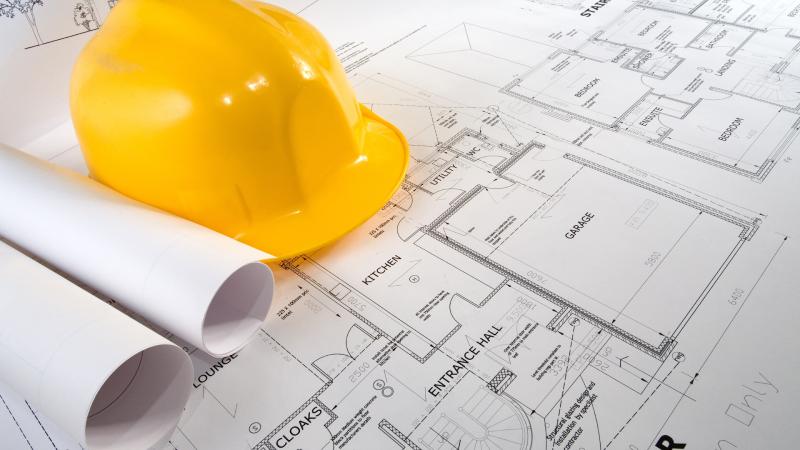
Accurate As Built Drawings are critical for the successful completion and future maintenance of any construction project. These drawings reflect the exact dimensions, layouts, and modifications made during construction, serving as a reliable reference for building owners, engineers, and facility managers. However, errors in As Built Drawings are more common than many realize, leading to costly delays, rework, and potential safety risks. At BIM Associates, we’ve identified the top five mistakes frequently made in As Built Drawings and provide practical strategies to avoid them.
1. Inaccurate Measurements
One of the most common mistakes in As Built Drawings is incorrect measurement recording. Whether it’s structural elements, mechanical systems, or electrical layouts, even minor discrepancies can lead to significant problems during maintenance or renovation.
How to Avoid:
Use precise measuring tools such as laser scanners or digital measuring devices.
Verify dimensions through multiple sources or a secondary check.
Encourage on-site teams to document changes in real-time rather than relying on memory.
2. Omitting Changes Made During Construction
Construction projects are dynamic, and modifications often occur due to site conditions, design updates, or client requests. Failing to update As Built Drawings to reflect these changes can render the drawings obsolete.
How to Avoid:
Implement a robust change management system to log all design modifications.
Maintain open communication between contractors, architects, and engineers to capture every adjustment.
Review construction progress regularly and update the drawings as changes occur
3. Poor Detailing of MEP Systems
Mechanical, Electrical, and Plumbing (MEP) systems are often underrepresented in As Built Drawings, making future maintenance challenging. Missing pipe routes, electrical circuits, or HVAC components can cause confusion and delays during repair or upgrades.
How to Avoid:
Conduct thorough walkthroughs with MEP contractors to capture all system details.
Utilize 3D modeling and BIM tools to accurately document complex systems.
Include annotations and legends to clarify specifications and connections.
4. Lack of Standardization
Inconsistencies in symbols, line types, or scale can create confusion in As Built Drawings. Different teams may interpret the same drawing differently, leading to miscommunication and errors during future projects.
How to Avoid:
Adopt a standardized drawing format and adhere to industry conventions.
Create a legend for symbols, line weights, and annotations to ensure clarity.
Train all team members in standardized documentation practices.
5. Delayed or Incomplete Documentation
Often, As Built Drawings are finalized weeks or months after construction ends, which can result in lost information, forgotten changes, and inaccurate details. Delayed documentation diminishes the value of these drawings as a reliable reference.
How to Avoid:
Document changes in real-time during the construction process.
Assign dedicated personnel or teams to oversee As Built documentation.
Use digital tools like BIM software to streamline updates and maintain accuracy throughout the project.
Conclusion
Mistakes in As Built Drawings can have lasting repercussions, from increased project costs to maintenance challenges and operational inefficiencies. At BIM Associates, we emphasize accuracy, standardization, and real-time documentation to ensure that your As Built Drawings serve as a precise and reliable record of your project. By proactively addressing common pitfalls—such as inaccurate measurements, missing updates, poor MEP detailing, lack of standardization, and delayed documentation—construction teams can create drawings that truly reflect the built environment.
Investing in proper As Built Drawings is not just a project requirement; it’s a strategic decision that saves time, money, and effort in the long run. With the right approach and expertise from BIM Associates, your projects can achieve both accuracy and efficiency, ensuring long-term value for clients and stakeholders.

Post Your Ad Here
Comments