The Role of Construction Documentation in Risk Management and Claims Prevention
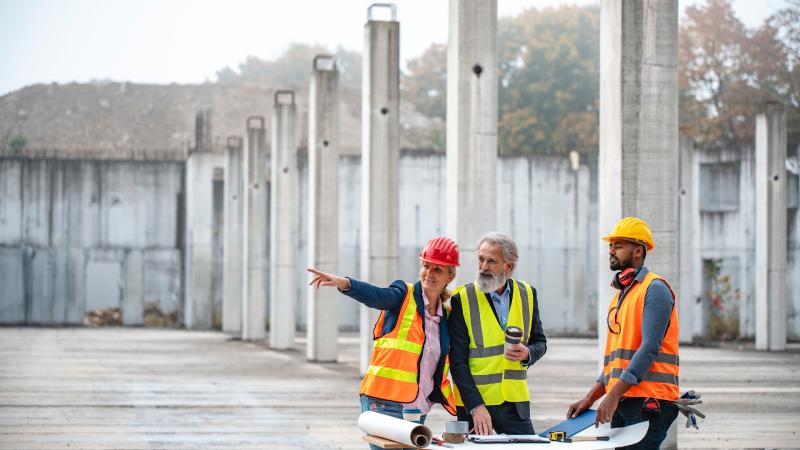
In today’s complex construction environment, managing risk and preventing claims are top priorities for owners, contractors, and consultants alike. Projects involve multiple stakeholders, tight schedules, regulatory requirements, and significant financial investments. Amid these challenges, Construction Documentation plays a critical yet sometimes underestimated role. When executed correctly, it becomes one of the most effective tools for risk management and claims prevention. At BIM Associates, we see construction documentation not just as paperwork, but as a strategic safeguard for project success.
What Is Construction Documentation?
Construction Documentation refers to the complete set of drawings, specifications, schedules, reports, contracts, and records generated throughout a project’s lifecycle. This includes design drawings, BIM models, RFIs, submittals, change orders, meeting minutes, site reports, and as-built records. Together, these documents create a clear, traceable history of decisions, responsibilities, and project progress.
Reducing Ambiguity and Misinterpretation
One of the most common causes of disputes in construction projects is ambiguity. Vague drawings, incomplete specifications, or poorly documented changes can easily lead to misunderstandings between stakeholders. Accurate and detailed construction documentation minimizes interpretation errors by clearly defining scope, materials, methods, and responsibilities.
When expectations are documented and agreed upon early, the risk of scope creep, design conflicts, and contractual disputes is significantly reduced. BIM Associates emphasizes coordinated and clash-free documentation to ensure all parties work from a single, reliable source of truth.
Strengthening Risk Management
Effective risk management relies on identifying, assessing, and mitigating potential issues before they escalate. Construction documentation supports this process by providing transparency and accountability. Detailed records help project teams track design decisions, approvals, and changes, making it easier to identify where risks may arise.
For example, well-documented RFIs and responses demonstrate how design uncertainties were addressed. Regular site reports and inspection records help monitor safety and quality risks. In the event of unforeseen conditions, proper documentation provides evidence that risks were managed responsibly and professionally.
Preventing Claims and Disputes
Construction claims often stem from delays, cost overruns, design errors, or contractual disagreements. In many cases, the outcome of a claim depends less on what happened and more on what can be proven. This is where construction documentation becomes invaluable.
Clear records of change orders, schedule updates, correspondence, and approvals help establish accountability. If a dispute arises, comprehensive documentation can demonstrate compliance with contract terms, justify additional costs, or validate time extensions. Without this documentation, even well-managed projects may struggle to defend against claims.
Supporting Legal and Contractual Protection
From a legal perspective, construction documentation serves as formal evidence. Contracts, specifications, and approved drawings define the legal framework of the project. Any deviation from these must be properly documented and approved. Consistent and organized documentation protects all parties by ensuring contractual obligations are met and recorded.
At BIM Associates, we integrate BIM-based documentation workflows that improve accuracy, version control, and traceability. This reduces the risk of outdated drawings being used on site and ensures that changes are clearly documented and communicated.
Enhancing Collaboration and Communication
Strong construction documentation also improves collaboration among project teams. When information is well-organized and easily accessible, stakeholders can make informed decisions quickly. This reduces delays, minimizes rework, and fosters trust among owners, designers, and contractors—all of which contribute to fewer disputes and claims.
Conclusion
In an industry where margins are tight and risks are high, Construction Documentation is not just an administrative requirement—it is a powerful risk management and claims prevention tool. Accurate, coordinated, and well-maintained documentation reduces ambiguity, supports accountability, and provides critical protection when disputes arise.
By leveraging advanced documentation practices and BIM-driven workflows, BIM Associates helps construction professionals safeguard their projects, minimize risk, and achieve smoother, more predictable outcomes. Investing in high-quality construction documentation today can prevent costly claims tomorrow.
Post Your Ad Here
Comments