The Evolution of Search: An SEO Professional's Journey Through the Turbulent Waters of 2026
Imagine it's early 2026, and you're Alex Rivera, a seasoned SEO director at a mid-sized digital agency in Los Angeles. You've been in the game for 15 years—surviving Panda, Penguin, BERT, and the Helpful Content updates. You remember the days when stuffing keywords and building backlink farms felt like alchemy, turning obscure sites into traffic goldmines. But as you sit at your desk on this January morning, staring at your analytics dashboard, something feels profoundly different.
Organic traffic from Google has plateaued for many clients, even as impressions skyrocket. AI-generated summaries dominate the top of SERPs, answering queries before users ever click through. Your team's meticulously optimized blog posts, once reliable traffic drivers, now languish below fold after fold of AI Overviews, forums, and videos. Branded searches for your agency's name are up, though—and that's saving the day for some clients. Alex takes a deep breath. This isn't the end of SEO; it's a metamorphosis. The rules have shifted from chasing rankings to earning authority in an AI-mediated world.
This is the story of SEO in 2026—not as a list of tactics, but as a narrative of adaptation, where professionals like Alex learn to thrive amid disruption.

Chapter 1: The Dawn of the AI Search Era – From Blue Links to Synthesized Answers
Alex's journey begins with the full rollout of generative search experiences. By 2026, Google's AI Overviews (formerly SGE) and similar features in Bing, Perplexity, and ChatGPT have matured into default behaviors for complex queries. Users no longer scroll through 10 blue links; they get concise, sourced summaries powered by large language models.
For Alex, the wake-up call came in mid-2025 when a client's e-commerce site saw a 25% drop in informational traffic overnight. The culprit? AI answers pulling from competitors' content—and sometimes Reddit threads—without sending clicks. But it wasn't all doom. Sites demonstrating clear expertise started earning citations in those AI boxes, driving indirect brand awareness.
The nuance here: Optimization shifts from traditional SEO to Generative Engine Optimization (GEO) or AI Optimization (AIO). Professionals now structure content for "retrieval and citation"—using clear headings, authoritative sourcing, and unique insights that AI models can't easily fabricate. Edge case: Low-authority sites pumping AI-generated content get ignored or penalized, while niche experts with first-hand data dominate.
Implications for enterprises? Alex advises clients to audit content for "citability." Does it add novel value? Is it chunked for easy extraction? One client, a SaaS company, revamped their knowledge base with original case studies; within months, they appeared in 40% more AI Overviews for industry queries.
Chapter 2: The Rise of Brand as the Ultimate Moat
As AI search favors consensus, Alex notices a profound trend: Brand strength becomes the strongest ranking signal. Backlinks still matter, but unlinked mentions, social proof, and branded search volume carry more weight. Google rewards entities "the internet would miss" if they vanished.
Picture this: A fintech client of Alex's invested heavily in podcast appearances, reviews, and community building. Their branded searches surged 60%, and even non-branded queries started favoring them due to positive sentiment signals. Conversely, a generic affiliate site with thousands of links saw rankings evaporate.
Nuances abound. Brand sentiment matters—negative reviews can tank visibility. Edge cases include new brands: They must accelerate "mention building" through PR, partnerships, and UGC. For professionals, this means SEO silos are breaking. Alex now collaborates with PR and social teams, tracking metrics like share of voice and mention velocity.
The implication? In 2026, SEO budgets shift toward holistic brand building. Agencies like Alex's offer "brand equity audits," measuring how searchable and trusted a company is across ecosystems.

Chapter 3: E-E-A-T Reimagined – The Triumph of Authentic Experience
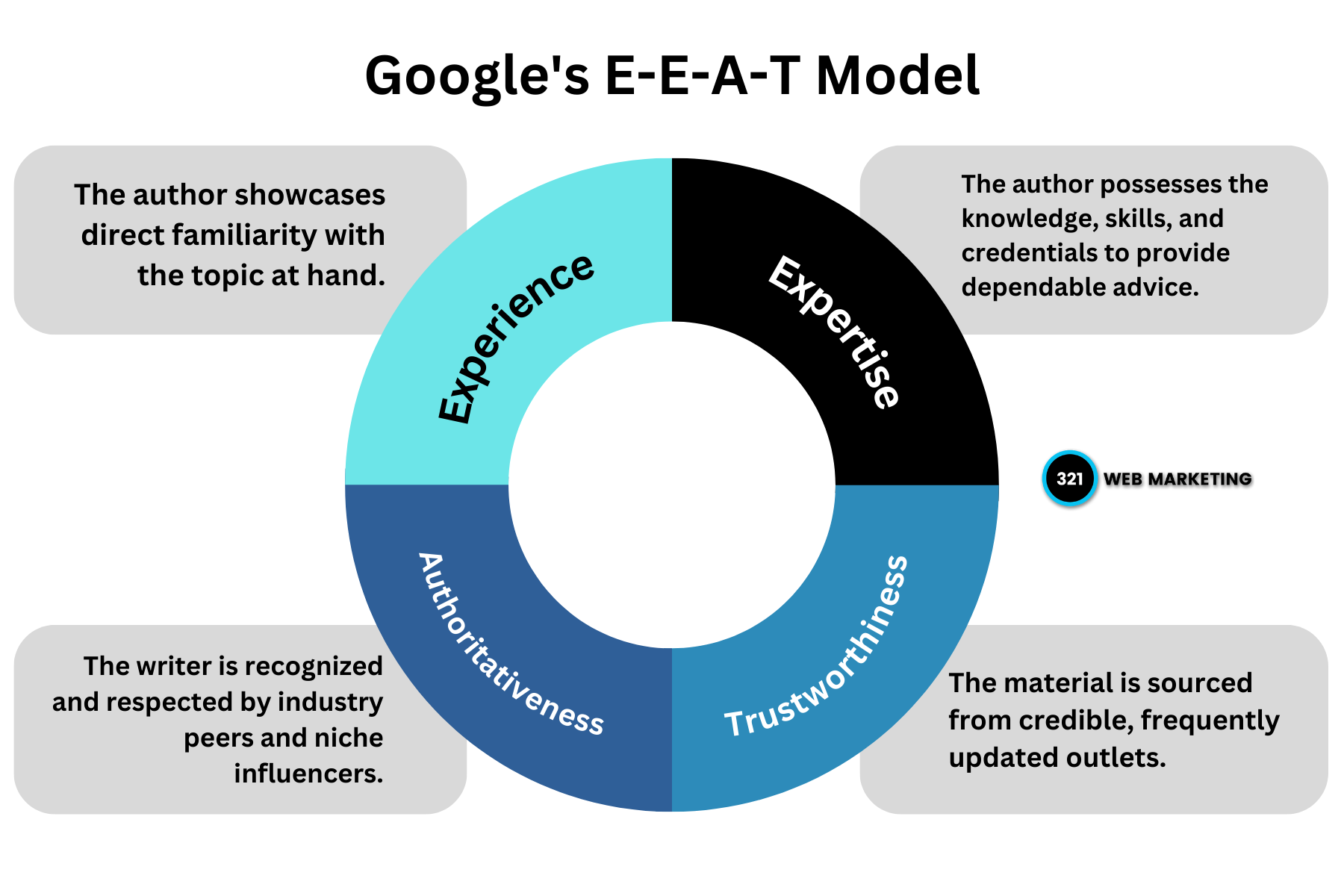
No trend hits closer to home for Alex than the intensification of E-E-A-T (Experience, Expertise, Authoritativeness, Trustworthiness). Post-2025 updates, "Experience" emerges as the differentiator. AI can't replicate personal stories, original research, or on-the-ground insights.
Alex recalls a healthcare client penalized for generic advice articles. The fix? Hiring practitioners to author content with real case anecdotes (anonymized, of course). Traffic rebounded, and AI citations followed.
Examples proliferate: Journalists, creators, and executives sharing opinionated takes rank higher than bland summaries. Edge cases: YMYL (Your Money or Your Life) topics face stricter scrutiny; non-experts risk de-indexing. For B2B, showcasing team credentials and client testimonials builds trust signals.
Professionals adapt by implementing author schemas, bio pages, and source citations. The deeper implication: Content farms die; creator-led strategies thrive. Alex's team now prioritizes "human-first" content—persuasive, positioned, and clear.
Chapter 4: Diversification and the Multimodal Frontier
Alex's story wouldn't be complete without the push toward traffic diversification. Relying on Google organic is risky; smart pros build omnichannel presence.
Video SEO explodes as YouTube becomes the second-largest search engine. Alex's retail clients optimize transcripts, chapters, and thumbnails—driving traffic that converts better than text. UGC on Reddit and forums feeds AI citations, creating virtuous cycles.
Local SEO remains a bastion for brick-and-mortar, with multimodal search (images, voice) amplifying visibility. Emerging: Optimization for AI agents that "fan out" queries across sources.
Edge cases: International brands grapple with platform variances (e.g., Baidu in China). Implications? Agencies integrate email, social, and owned communities into SEO strategies, measuring holistic attribution.
Chapter 5: Redefining Success – Visibility in a Zero-Click World
By mid-2026, Alex reorients KPIs. Clicks decline, but impressions and branded searches rise. Success means being the cited source, influencing purchases indirectly.
Tools evolve: Monitoring AI visibility, sentiment scores, and share of voice. One client tracks "halo effect"—how forum mentions drive branded queries.
Nuances: Zero-click doesn't mean zero-value; it builds mindshare. Edge cases for news publishers: Speed plus authority wins fleeting trends.
Epilogue: The Future Beckons
As Alex closes her laptop, optimistic, she realizes 2026 isn't SEO's demise—it's its renaissance. The professionals who win embrace authenticity, build enduring brands, and optimize for machines that think like humans.
For you, fellow traveler in this odyssey: Audit your brand today. Infuse experience into content. Diversify relentlessly. The seas are turbulent, but the rewards—for those who adapt—are greater than ever.

Post Your Ad Here
Comments