How emergency preparedness and recovery planning depend on organized waste systems
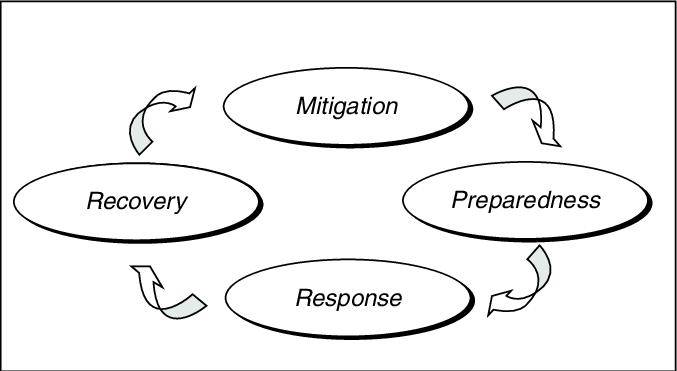
Unexpected events place immediate pressure on communities, properties, and infrastructure. Severe weather, natural disasters, and sudden property damage create large volumes of debris in a short amount of time. When cleanup systems are not prepared in advance, recovery becomes slower, more dangerous, and far more stressful than necessary.
Emergency situations demand clear organization and fast action. Waste handling often determines how quickly affected areas can return to normal use. Axis Dumpsters approaches emergency waste planning as a critical part of preparedness rather than a reactionary service. When disposal systems are already considered, communities can respond with greater confidence and control during challenging situations.
Understanding how organized waste systems support emergency readiness helps property owners, planners, and local leaders prepare more effectively. Proper planning reduces chaos, improves safety, and supports smoother recovery when disruptions occur.
The role of waste planning in emergency readiness
Emergencies generate debris suddenly and unpredictably. Fallen trees, damaged materials, and household contents quickly overwhelm normal disposal routines.
Prepared waste systems provide structure during uncertainty. Clear plans prevent confusion when fast decisions are required. Organization allows recovery efforts to begin without delay.
Preparation supports faster response.
Managing debris safely after unexpected events
Emergency debris often includes sharp, heavy, or unstable materials. Without organization, these hazards increase injury risk.
Structured disposal reduces exposure by removing debris from active areas. Clear pathways support safer movement for residents and responders. Safety improves when waste is handled promptly.
Controlled cleanup reduces preventable injuries.
Supporting faster access for emergency services
Debris blocks roads, driveways, and access points after emergencies. Delays slow response and recovery.
Organized waste removal helps clear access routes quickly. Restoring mobility supports emergency services and essential workers. Access improves recovery efficiency.
Clear routes support faster assistance.
Preventing secondary damage during cleanup
Improper debris handling causes additional damage. Dragging materials across surfaces leads to further destruction.
Planned waste systems limit unnecessary movement and contamination. Organized removal protects remaining structures. Prevention reduces compounding losses.
Careful handling protects assets.
Reducing stress during already difficult situations
Emergencies create emotional and logistical strain. Managing debris adds another layer of pressure.
Reliable waste planning reduces mental burden by providing clarity. With support from AXIS DUMPSTERS, cleanup becomes structured rather than overwhelming. Reduced stress supports better decision-making.
Clarity improves resilience.
Supporting coordinated recovery efforts
Recovery involves multiple groups working simultaneously. Without coordination, efforts overlap or stall.
Clear waste systems support cooperation among residents, contractors, and officials. Shared processes improve efficiency. Coordination strengthens recovery outcomes.
Unified systems reduce confusion.
Managing large debris volumes effectively
Storms and disasters produce waste far beyond everyday levels. Standard disposal methods quickly become insufficient.
Prepared capacity allows debris to be managed without overflow. Efficient handling keeps recovery moving forward. Adequate planning prevents bottlenecks.
Capacity planning supports recovery momentum.
Protecting public health after emergencies
Debris left in place attracts pests, creates mold, and contaminates air and water. Health risks escalate rapidly.
Timely waste removal reduces these hazards. Clean environments protect vulnerable populations. Health outcomes improve with organized cleanup.
Public health depends on prompt disposal.
Supporting temporary housing and relocation needs
Displaced residents require safe, clean areas to regroup. Debris interferes with temporary housing setups.
Organized waste handling clears space for essential services. Prepared sites support faster stabilization. Clean environments aid transition.
Clear spaces support recovery logistics.
Improving communication during cleanup operations
Unclear disposal plans lead to misinformation and delays. Confusion slows progress.
Defined waste strategies improve communication among stakeholders. Clear instructions support efficient action. Transparency improves trust.
Clarity improves collaboration.
Preventing environmental contamination
Emergency debris often includes hazardous materials. Unmanaged disposal increases environmental damage.
Contained handling reduces runoff and spread. Responsible cleanup protects land and waterways. Environmental protection supports long-term recovery.
Stewardship matters during crises.
Supporting inspections and damage assessments
Assessments require visibility and access. Debris obscures damage and complicates evaluation.
Organized removal reveals affected areas clearly. Accurate assessments guide better decisions. Prepared sites support effective evaluation.
Visibility improves planning accuracy.
Encouraging faster return to normal routines
Communities recover faster when spaces are restored quickly. Lingering debris prolongs disruption.
Efficient cleanup allows daily routines to resume sooner. Normalcy supports emotional recovery. Speed matters after emergencies.
Timely action restores stability.
Supporting both residential and commercial recovery
Emergencies affect homes and businesses alike. Both require structured cleanup.
Prepared waste systems adapt to different recovery needs. Flexibility supports varied environments. Comprehensive planning benefits all property types.
Adaptability improves resilience.
Reducing long-term recovery costs
Delayed cleanup increases labor and repair costs. Hardened debris becomes harder to remove.
Early, organized removal reduces total recovery expense. Prevention lowers long-term financial impact. Planning saves resources.
Efficiency protects budgets.
Strengthening community confidence after disruption
Visible progress reassures affected residents. Clean sites signal recovery is underway.
Organized waste handling demonstrates control and care. Confidence improves when recovery is visible. Momentum builds through action.
Progress supports morale.
Supporting future emergency preparedness improvements
Each recovery provides lessons for the future. Waste handling plays a central role.
Evaluating disposal effectiveness improves preparedness plans. Continuous improvement strengthens resilience. Learning enhances readiness.
Experience informs better planning.
Aligning emergency planning with regional realities
Different regions face different risks. Missouri experiences storms and seasonal hazards that influence debris patterns.
Prepared waste systems align with regional risks. Local awareness improves response effectiveness. Context matters in emergency planning.
Regional planning supports better outcomes.
Encouraging proactive preparedness culture
Preparedness improves when communities plan ahead. Waste handling is a key component.
Including disposal in emergency planning reduces chaos. Proactive thinking strengthens readiness. Preparation builds confidence.
Planning supports resilience.
Supporting leadership during crisis situations
Clear systems empower leaders to act decisively. Uncertainty undermines authority.
Reliable waste strategies provide leaders with actionable options. Confidence improves response quality. Prepared leadership supports recovery.
Structure enables decisive action.
Improving long-term community resilience
Resilience depends on systems that perform under pressure. Waste handling is one such system.
Prepared communities recover faster and stronger. Clean recovery supports future stability. Resilience grows through planning.
Strong systems support lasting recovery.
Building trust in emergency waste solutions
Unclear disposal plans erode trust during crises. Reliability builds confidence.
With structured preparation and dependable support, communities can rely on organized cleanup. Missouri recovery efforts benefit when waste planning is predictable and responsive.
Trust improves recovery coordination.
Conclusion
Emergency situations test the strength of community systems. Organized waste handling plays a vital role in restoring safety, access, and stability after disruption. By integrating disposal planning into emergency preparedness, communities reduce stress, protect health, and accelerate recovery. With thoughtful preparation and dependable support from AXIS DUMPSTERS, cleanup becomes a structured response rather than a chaotic challenge. When waste systems are ready before emergencies occur, recovery is safer, faster, and more effective for everyone involved.
Post Your Ad Here
Comments