LiFePO4 Battery: A Complete 2025 Guide
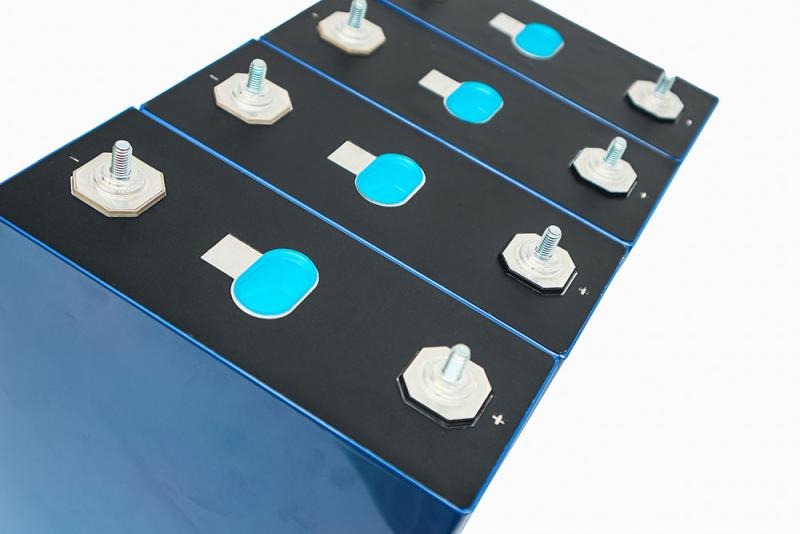
The demand for safe, efficient, and sustainable energy storage has never been higher. Whether for electric vehicles, renewable energy systems, or backup power, the LiFePO4 battery has become a leading solution thanks to its long lifespan, safety profile, and eco-friendly chemistry. Short for lithium iron phosphate, this battery technology is reshaping industries and offering a more reliable alternative to both lead-acid and traditional lithium-ion batteries.
This detailed guide explores everything you need to know about LiFePO4 batteries: their structure, advantages, applications, charging practices, limitations, and the future outlook for 2025 and beyond.
What is a LiFePO4 Battery?
A LiFePO4 battery is a rechargeable lithium-ion battery that uses lithium iron phosphate (LiFePO4) as its cathode material and graphite as its anode. The phosphate-based chemistry makes the battery chemically and thermally stable, significantly reducing the risks of fire, overheating, or thermal runaway that can affect other lithium-ion batteries.
LiFePO4 batteries were first commercialized in the late 1990s, and since then, they have grown into one of the most reliable energy storage technologies. Their balance of safety, performance, and lifespan makes them suitable for both residential and industrial use.
How Does a LiFePO4 Battery Work?
Like all lithium-ion batteries, LiFePO4 batteries rely on the movement of lithium ions between the anode and cathode through an electrolyte.
Charging phase: Lithium ions migrate from the cathode (LiFePO4) to the anode (graphite), where they are stored.
Discharging phase: The ions return to the cathode, releasing stored energy as electricity.
The phosphate bond within the cathode is particularly strong, preventing degradation and extending the battery’s usable life to thousands of cycles.
Key Features of LiFePO4 Batteries
High Safety Standards – Resistant to overheating, short-circuiting, and thermal runaway.
Long Service Life – Typically offers 3,000–5,000 charge cycles, and in some cases, up to 7,000.
Stable Power Delivery – Maintains consistent voltage until almost fully discharged.
Lightweight and Compact – Much lighter than lead-acid batteries of similar capacity.
Fast Charging and High Efficiency – Supports rapid charging with energy efficiency around 95%.
Environmentally Friendly – Free from cobalt, lead, and other harmful metals, making them easier to recycle.
Advantages of LiFePO4 Batteries
When compared to alternatives such as lead-acid or lithium cobalt oxide batteries, LiFePO4 batteries provide clear advantages:
Longer Lifespan: They last up to 10 times longer than lead-acid batteries.
Deep Discharge Capability: Can safely discharge up to 90% without significant damage.
Minimal Maintenance: No water top-ups or special servicing required.
Temperature Resilience: Performs well in hot and moderately cold environments.
Cost-Effective in the Long Run: While more expensive initially, their durability lowers lifetime costs.
Applications of LiFePO4 Batteries
Renewable Energy Storage
LiFePO4 batteries are commonly used in solar and wind energy systems for storing excess power and delivering it during peak demand or outages.
Electric Vehicles (EVs)
Their safety and cycle life make them a strong choice for electric cars, buses, scooters, and bikes. Many EV manufacturers now prefer LiFePO4 chemistry for mass adoption.
Marine and Recreational Vehicles
Boats, yachts, and RVs rely on LiFePO4 batteries for lightweight, dependable energy to power appliances and navigation systems.
Backup Power and UPS Systems
Hospitals, data centers, and telecom towers use LiFePO4 batteries to guarantee an uninterrupted supply of energy.
Industrial and Commercial Applications
From forklifts to factory backup power, LiFePO4 batteries support heavy-duty and continuous operations.
Portable Equipment
Some medical devices, communication tools, and camping gear use LiFePO4 batteries for their safety and reliability.
Lifespan and Durability
Battery lifespan is a key differentiator for LiFePO4 technology:
Lead-acid batteries: 300–500 cycles.
Lithium cobalt oxide batteries: 1,000–2,000 cycles.
LiFePO4 batteries: 3,000–5,000 cycles, sometimes reaching 10,000.
This durability translates into 10–15 years of service, making them one of the longest-lasting battery options available today.
Charging and Maintenance Best Practices
To ensure optimal performance, consider the following guidelines:
Use a LiFePO4-compatible charger to avoid damaging cells.
Rely on a Battery Management System (BMS) to prevent overcharging and over-discharging.
Charge within safe temperature ranges (0°C to 60°C).
Store partially charged (around 50%) if unused for long periods.
Avoid extreme cold charging, which can permanently damage the cells.
Environmental Impact
LiFePO4 batteries align with global sustainability efforts because they:
Do not contain toxic heavy metals such as cobalt, nickel, or lead.
Last significantly longer, reducing landfill waste.
Can be recycled, supporting a circular economy for energy storage.
For businesses and households committed to reducing their carbon footprint, LiFePO4 is one of the most eco-conscious choices available.
Limitations of LiFePO4 Batteries
No technology is without trade-offs, and LiFePO4 is no exception:
Lower Energy Density – Provides less energy per kilogram than some other lithium-ion types, meaning larger size for the same capacity.
Higher Initial Cost – More expensive upfront compared to lead-acid batteries.
Cold Weather Sensitivity – Charging below 0°C can limit performance and damage cells if unmanaged.
Despite these drawbacks, their benefits outweigh limitations in most practical applications.
The Future of LiFePO4 Technology
As industries move toward renewable energy and electric mobility, LiFePO4 batteries are expected to play a central role. Key areas of development include:
Increasing energy density for smaller, more powerful batteries.
Expanding production capacity to reduce costs.
Enhancing cold-weather performance with advanced materials.
Integration with smart grids for better renewable energy management.
With global adoption of clean energy accelerating, LiFePO4 batteries are positioned to remain a cornerstone of energy storage in 2025 and beyond.
How to Choose the Right LiFePO4 Battery
When purchasing a LiFePO4 battery, evaluate the following:
Capacity (Ah) – Determines how long the battery will power your system.
Voltage Options – 12V, 24V, and 48V are standard for different needs.
Cycle Life – Look for models with 3,000+ cycles for best value.
Built-in BMS – Ensures protection from overcharging and overheating.
Warranty and Manufacturer Reputation – Reputable brands usually guarantee higher quality.
Conclusion
The LiFePO4 battery is one of the most advanced and dependable energy storage solutions available today. Its unmatched safety, long service life, and eco-friendly design make it ideal for electric vehicles, renewable energy storage, marine systems, and industrial power.
While the upfront cost is higher than some alternatives, the long-term benefits in performance, durability, and environmental impact make LiFePO4 technology the clear choice for individuals and businesses seeking efficient energy solutions.
As innovations continue, LiFePO4 batteries will only grow in importance, driving the transition to a cleaner, safer, and more sustainable energy future.
Post Your Ad Here
Comments