Why Calorie Tracking Doesnt Work for Everyone
Introduction
Calorie tracking is often presented as the gold standard for weight loss. Track what you eat, stay within a target, and results should follow. For some people, this approach works well. For many others, it quickly becomes stressful, confusing, or unsustainable.
If tracking calories feels exhausting or ineffective, it does not mean you lack discipline. More often, it means the method does not suit your physiology, lifestyle or relationship with food. Understanding why calorie counting fails for some individuals helps explain why different approaches may lead to better long-term outcomes.
This article explores common calorie tracking issues, who may struggle with strict calorie counting, and how to personalise nutrition without obsessing over numbers.
What Is Calorie Tracking?
Calorie tracking involves estimating and recording the energy content of foods and beverages consumed throughout the day. The goal is usually to create a calorie deficit for weight loss or a surplus for weight gain.
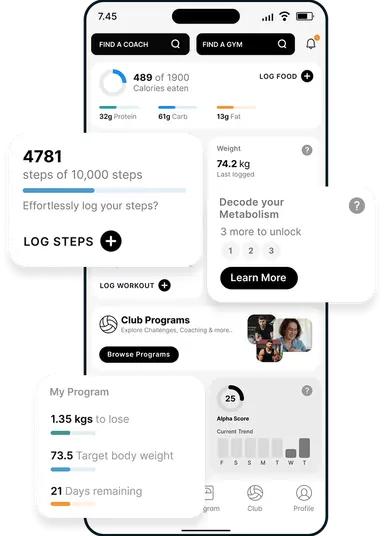
Most people track calories using mobile apps, food labels, or portion estimates. While this can increase awareness around eating habits, it relies heavily on estimation, consistency, and mental effort.
Tracking calories for weight loss can be a useful tool, but it is not a universal solution.
Benefits of Calorie Tracking
Calorie tracking does have advantages in certain situations.
Potential benefits include:
• Increased awareness of portion sizes
• Better understanding of energy balance
• Short-term structure for weight loss
• Clear feedback for data-oriented individuals
For people who enjoy structure and numbers, calorie tracking can provide clarity and accountability, especially in the early stages of a weight-loss journey.
Limitations of Calorie Tracking
Despite its popularity, calorie tracking has several limitations that explain why it doesn’t work for everyone.
a) Inaccurate Tracking and Estimations
One of the most common calorie tracking issues is inaccuracy. Food labels, restaurant meals, and portion estimates are rarely precise. Cooking methods, oil usage, and ingredient variations introduce significant error.
Liquid calories are another major blind spot. Beverages, alcohol, coffee add-ins, sauces, and cooking oils are often underestimated or skipped entirely. Even when tracked, the values used are averages rather than exact measurements.
Home-cooked meals and mixed dishes add another layer of uncertainty. Over time, these small inaccuracies accumulate, helping explain why calorie counting fails despite consistent effort.
b) Ignoring Food Quality and Nutrients
Calorie tracking focuses on quantity, not quality. Two meals with the same calorie count can have very different effects on hunger, energy, and health.
A diet built only around numbers may neglect protein, fibre, micronutrients, and meal balance. This often leads to increased hunger, lower energy, and poor adherence, even when calories appear “on track.”
c) Individual Metabolic Differences
People respond differently to the same calorie intake. Factors such as body composition, age, hormones, sleep, stress, and activity levels influence how the body uses energy.
As weight loss progresses, the body naturally adapts by reducing energy expenditure. This process, known as metabolic adaptation, is normal and protective. It is often misunderstood as a “broken metabolism,” when in reality the body is responding predictably to sustained calorie deficits.
If calorie targets are not adjusted or recovery is inadequate, progress slows even though tracking remains consistent.
d) Psychological Stress and Obsession
For some people, calorie counting creates anxiety, guilt, or an unhealthy fixation on food. Constantly logging meals can turn eating into a mental burden rather than a supportive habit.
When stress increases, consistency often decreases. This psychological load is a major reason tracking calories for weight loss works short term for some but becomes unsustainable long term.
e) Lifestyle and Social Factors
Calorie tracking can be difficult to maintain in real life. Social meals, travel, cultural eating patterns, and family routines often do not fit neatly into tracking apps.
Even when tracking is technically accurate, adherence determines outcomes. A method that is precise but mentally exhausting often fails over time. In practice, a flexible approach followed consistently tends to outperform a perfectly tracked plan followed briefly.
Who Might Benefit More From Other Approaches
Calorie tracking may not be ideal for everyone.
People who often struggle with calorie counting include:
• Those with busy or unpredictable schedules
• Individuals sensitive to food-related stress
• People who prioritise flexibility and social eating
• Those with past negative experiences around tracking
For these individuals, alternative approaches often lead to better consistency and long-term success.
Alternatives to Strict Calorie Counting
a) Mindful Eating
Mindful eating focuses on recognising hunger, fullness, and eating without distraction. This approach builds awareness without constant numerical tracking.
It helps improve food choices while reducing stress around eating.
b) Portion Control
Using visual portion guidelines instead of exact calorie numbers simplifies decision-making. This method reduces tracking fatigue while maintaining structure.
Portion-based approaches are often easier to sustain long term.
c) Balanced Meal Plans
Balanced meal plans prioritise protein, fibre, carbohydrates, and fats in appropriate proportions. This structure supports satiety, energy, and consistency without detailed calorie logging.
d) Tracking Macros or Nutrient Quality
Some people benefit more from focusing on macronutrient balance or food quality rather than total calories. This shifts attention from numbers to nourishment.
Tracking quality instead of quantity often reduces obsession while maintaining progress.
How to Personalise Your Diet Without Obsessing Over Calories
Personalised nutrition focuses on patterns rather than perfection.
Helpful strategies include:
• Establishing regular meal timing
• Prioritising protein and fibre at meals
• Monitoring energy, hunger, and recovery
• Adjusting intake based on lifestyle demands
For some people, calorie tracking works best as a short-term learning tool rather than a permanent system. It can build awareness around portions and food choices, after which many benefit from transitioning to more intuitive or pattern-based approaches.
For those who want guidance without rigid tracking, platforms like Alpha Coach help translate calorie awareness into practical, sustainable eating habits without constant calculation.
Conclusion
Calorie tracking is a tool, not a requirement. While it can be useful for some, it does not work for everyone and that is normal.
Understanding why calorie counting fails helps people move away from frustration and toward methods that fit their lifestyle, mindset, and long-term health. Sustainable nutrition is built on consistency, balance, and personalisation rather than perfect numbers.
When food choices align with real-world habits and individual needs, progress becomes easier to maintain, without constant tracking.
FAQs
Why does calorie counting fail for some people?
Because it relies on estimation, consistency, and psychological tolerance that not everyone has.Is calorie tracking necessary for weight loss?
No. Many people achieve sustainable weight loss without tracking calories.Can calorie tracking issues be avoided?
Some can be reduced, but the method still has limitations.What is a better alternative to calorie counting?
The best alternative depends on the individual. Mindful eating, portion control, or balanced meal plans often work well.
Post Your Ad Here
Comments