Winter Nutrition Guide: What Your Body Really Needs to Stay Fit and Energised
Why Winter Nutrition Needs Change
Winter brings shorter days, colder temperatures, slower mornings, and interestingly bigger appetites. This season naturally pushes the body to conserve heat and energy, which changes how we eat, how we feel, and how our metabolism behaves. A well-planned winter nutrition strategy helps you stay energised, maintain immunity, and avoid unnecessary winter weight gain.
In this winter nutrition guide, you’ll understand how your body reacts to cold weather, which foods truly support you through the season, and simple ways to build a winter diet plan for weight loss without starving or giving up comfort foods.
Why We Feel Hungrier in Winter
It’s extremely common to crave carbs, sweets, and fried foods during winter. The science is simple:
• Cold temperatures increase your body’s need for warmth
• Appetite increases as your body burns calories to maintain heat
• Sunlight is reduced, affecting serotonin and increasing cravings
Understanding this pattern allows you to choose healthy food for the winter season in India without overeating.
Winter Weight Gain & Metabolism Changes
People often notice the scale creeping up faster in winter — and it’s not just in their heads. Several factors work together:
• You move less because of shorter, colder days
• Cravings for warm, high-calorie comfort foods increase
• Festivals and seasonal sweets show up more often
• Water intake drops dramatically
• Lower sunlight reduces vitamin D, which can impact metabolism
The good news is that with a bit of planning and the right winter nutrition tips, you can enjoy your favourite seasonal foods without slipping into winter weight gain.
How Your Body Responds to Cold Weather
Cold weather triggers several internal changes. Your cardiovascular system works harder to maintain core temperature, digestion can slow down, and reduced sunlight often leads to weaker immunity and lower vitamin D levels. These shifts make nutrition in winter especially important; not only for managing weight, but for keeping your overall health strong through the season.
Essential Nutrients Your Body Needs in Winter
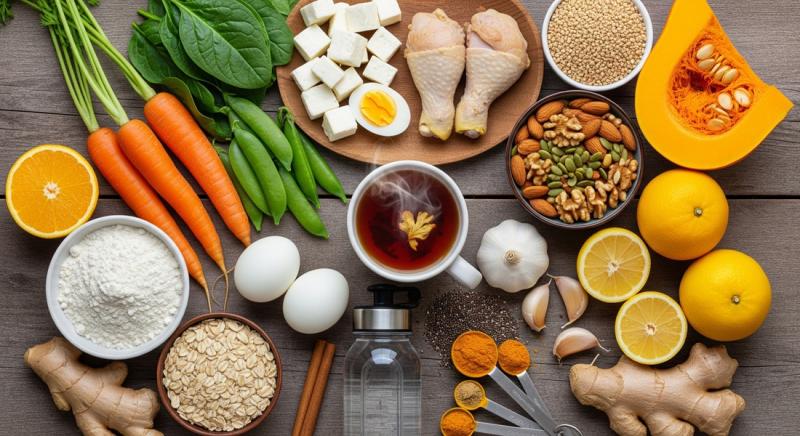
Winter is the season when strategic eating makes a big difference. Focus on:
• Vitamin C (amla, oranges, guava)
• Vitamin D (mushrooms, fortified milk, sunlight exposure)
• Zinc (seeds, dal, chana, peanuts)
• Iron (leafy greens, ragi, beetroot)
• Omega-3 fats (flaxseed, walnuts)
• Protein (eggs, paneer, dal, sprouts, chicken, fish)
This combination keeps immunity strong, energy stable, and metabolism active.
Immunity-Boosting Foods for the Season
A strong winter nutrition guide always highlights the foods that genuinely strengthen immunity during the colder months. Think of these as your everyday defence system:
• Amla for vitamin C
• Ginger and turmeric for inflammation control
• Jaggery for minerals and digestion
• Garlic and tulsi for antimicrobial support
• Sesame seeds for warmth and healthy fats
• Carrots and beetroots for antioxidants
Including even a few of these in your daily meals can noticeably reduce winter colds, fatigue, and those low-immunity phases many people experience.
India’s Winter Superfoods You Should Use More
Winter is when Indian markets naturally overflow with nutritional powerhouses. Some of the best:
• Sarson ka saag – rich in iron, folate, antioxidants
• Bajra – high-fibre, keeps you full and warm
• Ghee – improves digestion, supports joints
• Til (sesame) – boosts energy and immunity
• Sweet potatoes – excellent for sustained energy
• Jaggery – supports digestion and iron levels
• Amla – the highest natural source of vitamin C
These foods strongly align with a healthy winter foods list.
Energy-Enhancing Winter Foods
The right foods can help counteract winter sluggishness:
• Hot soups with vegetables and dal
• Eggs for high-quality protein
• Millet rotis (bajra, jowar)
• Mixed nuts and seeds
• Seasonal fruits like oranges, guava, apples
These combine warmth, satiety, and stable energy.
Hydration in Winter: The Most Ignored Habit
Most people drink 40–60% less water in winter, leading to headaches, fatigue, and even overeating (thirst is often mistaken for hunger).
Simple hacks include:
• Warm water sips throughout the day
• Herbal teas
• Soups
• Infusions with cinnamon or ginger
Hydration is a cornerstone of good nutrition in winter.
Winter Digestion Issues & What to Do
Many people experience bloating, acidity, and constipation during winter.
Use digestion-friendly foods:
• Ajwain
• Jeera
• Saunf
• Curd (at room temperature)
• Lemon water
• Fermented foods like kanji
Combine this with high-fibre vegetables, dal, and seasonal produce.
Healthy Winter Snacks to Stay on Track
Snacking is not the enemy, but mindless snacking is. Switch to:
• Roasted chana
• Dry fruits
• Chikki made with jaggery and til
• Roasted makhana
• Sweet potato chaat
• Vegetable soups
• Peanut salad
Healthier Alternatives to Cravings
Winter cravings are psychological and physiological.
Healthy swaps:
• Instead of pakoras → air-fried versions
• Instead of sugary halwa → ghee-roasted sheera with jaggery
• Instead of hot chocolate → cocoa + cinnamon + milk
• Instead of heavy sweets → til laddoos, peanut chikki
This keeps your winter diet plan for weight loss sustainable.
Foods to Limit or Avoid During Cold Months
Not everything suits winter digestion:
• Too much sugar
• Deep-fried junk
• Processed snacks
• Overly cold foods
• Excess cream-based dishes
• Heavy sweets on a frequent basis
You don’t have to avoid these completely, just reduce frequency and quantity.
Simple, India-Friendly Winter Meal Plan (Sample)
Morning:
• Warm lemon water
• Masala oats / Besan chilla with chutney / Eggs
Lunch:
• Bajra roti
• Sarson ka saag / Dal
• Beetroot or carrot salad • Curd (room temp)
Snack:
• Makhana or roasted peanuts
• Herbal tea
Dinner:
• Soup + chicken/paneer
• Khichdi with ghee
• Sweet potato on the side
This covers nutrition, warmth, protein, and satiety.
Special Groups (Kids, Seniors, Diabetics)
Kids:
• Focus on protein, fruits, nuts, and warm meals
• Avoid sugar-heavy foods in the evening
Seniors:
• Warm, easy-to-digest meals
• Adequate protein for muscle preservation
• Vitamin D and calcium are critical
Diabetics:
• Stick to millet rotis and high-fibre vegetables
• Avoid jaggery despite the “natural sugar” label
• Prioritise protein at all meals
Winter Nutrition Myths
Myth: “You should eat more to stay warm.”


Post Your Ad Here
Comments