Beyond Testing: 6 Creative Ways to Use Worksheets for Formative Assessment Introduction
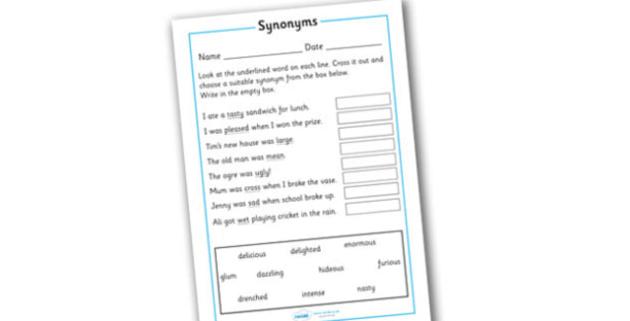
For many educators, worksheets are often associated with quizzes, homework, or end-of-unit tests. While these uses are familiar and practical, they barely scratch the surface of what worksheets can actually do. When used intentionally, worksheets can become powerful tools for formative assessment, helping teachers monitor progress, identify learning gaps, and adjust instruction before final evaluations take place.
Rather than focusing solely on grades, formative assessment emphasizes feedback, reflection, and continuous improvement. Below are six creative ways teachers can use worksheets to support this process more effectively.
1. Pre-Lesson Diagnostic Worksheets
Before starting a new topic, a short worksheet can help uncover what students already know—and what they don’t.
These worksheets might include:
Simple multiple-choice questions
Concept-mapping activities
Short written responses
The goal is not to score students but to guide lesson planning. Teachers can adapt their instruction based on the patterns they see in student responses, ensuring lessons meet learners at the right level.
2. Mid-Lesson Check-In Worksheets
Formative assessment doesn’t have to wait until the end of a class. A quick worksheet in the middle of a lesson—sometimes called an “exit ticket in progress”—can help teachers determine whether students are following along.
Examples include:
One problem that applies the concept just taught
A short reflection question (“What part is still unclear?”)
A quick matching or labeling activity
These brief check-ins help prevent misconceptions from building up over time.
3. Reflection-Based Worksheets
Reflection is a key component of meaningful learning. Worksheets designed for reflection encourage students to think about how they learn, not just what they learn.
Reflection worksheets may ask students to:
Summarize key ideas in their own words
Identify which strategies helped them most
Set personal learning goals for the next lesson
Such activities promote metacognition and help students take ownership of their progress.
4. Collaborative Worksheets for Peer Learning
Worksheets don’t always need to be completed individually.
In small groups, either in physical classrooms or virtual breakout rooms, students can work together on shared worksheets that involve discussion, problem-solving, or analysis.
Collaborative worksheets:
Encourage communication and teamwork
Exposing students to different perspectives
Allow teachers to observe group dynamics and participation
These worksheets can reveal not only content understanding but also soft skills like collaboration and critical thinking.
5. Choice-Based Worksheets for Differentiation
Not all students learn at the same pace or in the same way. Choice-based worksheets allow students to select tasks that match their comfort level or learning style.
For example, a worksheet might offer:
A basic practice section
An application or real-world scenario
A challenge or extension task
This approach supports differentiated instruction and helps teachers assess understanding across varying levels of difficulty without singling students out.
6. Student-Created Worksheets
One of the most effective (and often overlooked) formative assessment strategies is asking students to create their own worksheets.
When students design questions, exercises, or review sheets:
They must deeply understand the material
They reveal how they structure knowledge
Teachers gain insight into misconceptions or gaps
These student-generated worksheets can be exchanged among peers or discussed as a class, turning assessment into an engaging learning activity.
Using Worksheets as Feedback Tools
Formative assessment is incomplete without feedback. Worksheets provide an excellent medium for:
Written comments
Highlighted strengths
Targeted suggestions for improvement
Digital worksheets, in particular, allow teachers to give timely feedback that students can review and apply immediately. Over time, this creates a continuous feedback loop rather than a single judgment at the end of a unit.
Finding and Adapting the Right Resources
To use worksheets effectively for formative assessment, teachers need materials that are flexible, easy to adapt, and aligned with learning goals.
Platforms like Worksheetzone offer educators access to a broad range of worksheet resources that can be modified to suit different assessment purposes—from diagnostics to reflection and review.
The key is not the worksheet itself, but how it is used: as a tool for insight, growth, and conversation rather than simply a score.
Conclusion
Worksheets are far more than testing tools. When used creatively, they support continuous assessment, encourage reflection, and provide valuable insights into student learning.
By integrating formative worksheets throughout the learning process, teachers can respond more effectively to student needs and create a more supportive, responsive classroom environment—both online and offline.

Post Your Ad Here
Comments