How to Use Worksheets to Boost Student Engagement in Online Learning
Online learning has revolutionized education, but it has also introduced a familiar challenge: keeping students genuinely engaged. Without the physical energy of a classroom, teachers often find it difficult to maintain attention, encourage participation, and ensure real understanding.
One simple yet powerful solution lies in an old classroom favorite: worksheets. When used creatively in virtual settings, worksheets can transform passive learning into an active, student-driven experience.
Why Worksheets Still Matter in the Digital Era
In traditional classrooms, worksheets were primarily used for practice or assessment. In online environments, however, they can play a much broader role.
Modern digital worksheets are not just static pieces of paper; they can include interactive components such as drag-and-drop tasks, fill-in-the-blank quizzes, and self-checking activities. These features make them ideal for distance learning platforms like Google Classroom, Canvas, or Microsoft Teams.
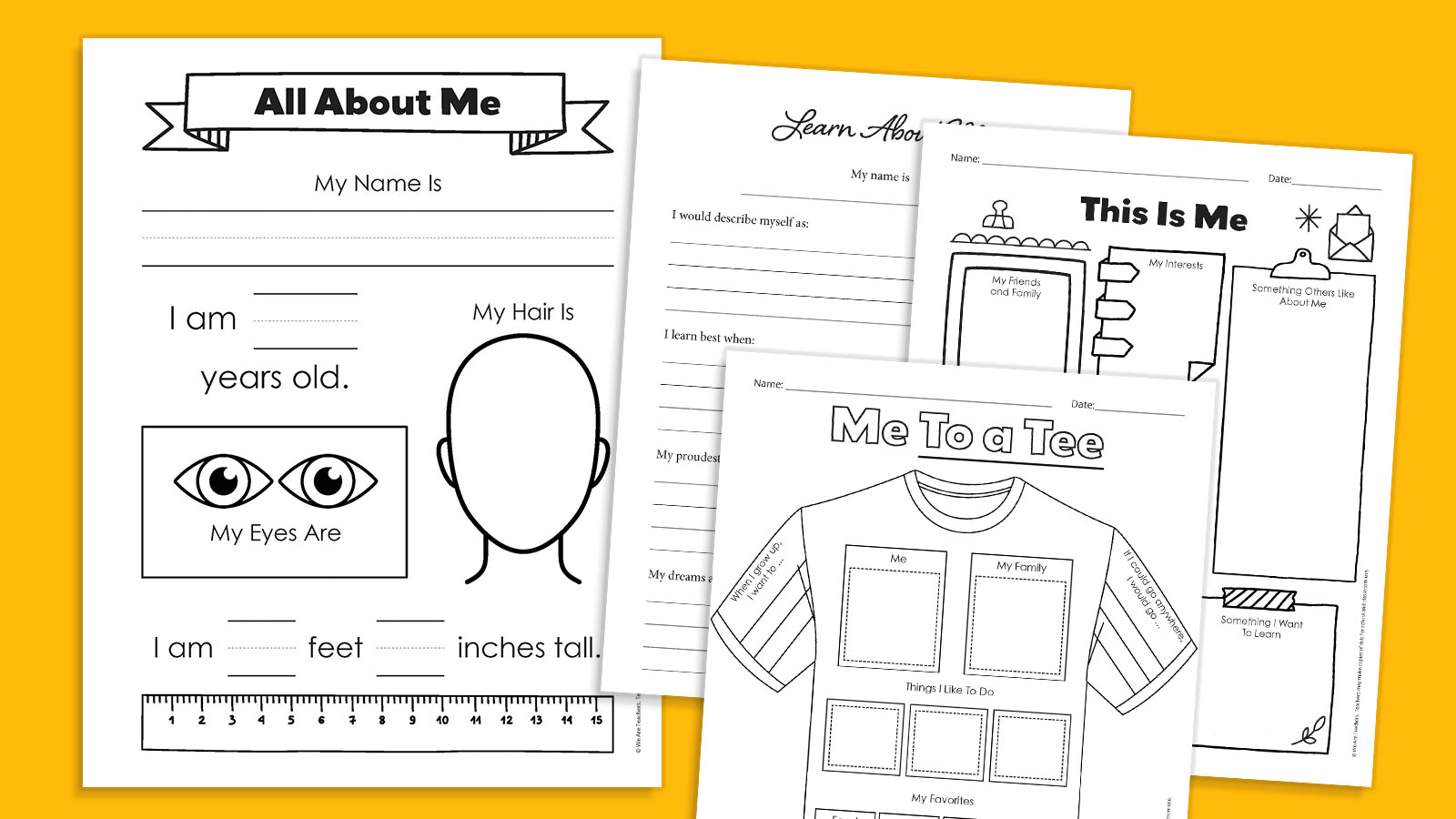
Well-designed worksheets can:
-
Encourage active participation by letting students interact directly with content.
-
Support differentiated learning through customizable activities that suit various skill levels.
-
Provide immediate feedback, helping students identify mistakes and learn in real time.
-
Save preparation time for teachers by using or modifying existing templates.
Integrating Worksheets into Virtual Lessons
Here are a few practical strategies for incorporating worksheets effectively into online classes:
1. Start Lessons with a Warm-Up Worksheet
Begin your session with a short, engaging worksheet such as a vocabulary matching exercise or a quick comprehension check.
This helps students focus their attention from the very beginning and sets a clear tone for the lesson.
2. Use Worksheets for Group Collaboration
In breakout rooms or small online groups, students can complete worksheets together to solve problems or brainstorm ideas.
Collaborative worksheets encourage communication and teamwork, two essential skills often lost in online settings.
3. Assign Worksheets as Reflective Exercises
After a video or reading activity, give students a reflection worksheet that asks them to summarize key ideas or express their opinions.
This kind of self-assessment deepens understanding and helps teachers gauge comprehension.
4. Combine Worksheets with Interactive Tools
Pair worksheets with platforms like Kahoot, Quizizz, or Nearpod to create a dynamic hybrid activity.
Students can complete sections of a worksheet before joining a quiz or poll, keeping the energy high throughout the class.
Where to Find or Create Quality Worksheets
Teachers don’t need to start from scratch every time. A variety of online resources now provide ready-to-use and customizable worksheets for different subjects and grade levels.
A great place to begin is Worksheetzone, which offers a growing library of printable and interactive materials across multiple topics.
If you want to design your own resources, their worksheets generator tool allows educators to create personalized worksheets in just a few minutes with no design skills required. This flexibility helps teachers build materials tailored precisely to their students’ needs.
When choosing worksheets for your class, look for the following qualities:
-
Clarity: Simple instructions and a clean design prevent confusion.
-
Alignment: Activities should match learning goals or curriculum standards.
-
Interactivity: Choose formats that allow students to engage, not just answer.
-
Feedback options: Include answer keys or self-checking mechanisms for independent learning.
Adapting Worksheets for Diverse Learners
Every online classroom includes students with different learning styles, abilities, and motivations. Worksheets can support inclusivity when designed thoughtfully:
-
For visual learners: Include diagrams, charts, or mind maps.
-
For kinesthetic learners: Incorporate drag-and-drop elements or movement-based tasks.
-
For students with learning differences: Offer digital worksheets with text-to-speech options or simplified layouts.
By offering a mix of printable and digital formats, teachers can accommodate varied preferences and ensure that no student feels left behind.
Evaluating Engagement through Worksheets
Worksheets can also serve as diagnostic tools. Monitor how quickly students complete activities, where they struggle, and how their answers change over time.
Use this data to adjust pacing, reteach difficult concepts, or design enrichment activities for advanced learners.
You might even invite students to create their own worksheets as a final project — a powerful way to test understanding and promote creativity.
Conclusion
When thoughtfully designed and applied, worksheets can do far more than test knowledge; they can spark curiosity, collaboration, and meaningful engagement in online classrooms.
Whether you use ready-made templates or create your own with a worksheet generator, integrating worksheets strategically can make virtual learning more interactive, personalized, and enjoyable for everyone involved.
Post Your Ad Here
Comments