The Most Common Mistakes Buyers Make With Fake Designer Bags
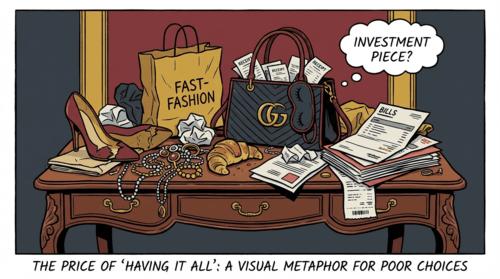
Most problems buyers experience with fake designer bags are avoidable. They don’t come from bad luck or hidden defects. They come from predictable mistakes made early in the buying process, often before a bag is even selected.
Experienced buyers don’t avoid mistakes because they are lucky. They avoid them because they understand where things usually go wrong.
Mistake One: Buying for the Moment Instead of the Routine
Impulse purchases feel satisfying in the short term but often disappoint over time.
Many buyers choose bags based on a specific outfit, event, or trend rather than how the bag will be used week after week. When novelty fades, practical issues surface. The bag may feel uncomfortable, too delicate, or poorly suited for daily habits.
Bags chosen with routine use in mind tend to remain satisfying longer than those chosen for isolated moments.
Mistake Two: Assuming All Sellers Source the Same Way
A common misconception is that all fake designer bags come from the same production sources.
In reality, sourcing varies widely. Factories specialize in different materials, silhouettes, and construction techniques. Even similar-looking bags can originate from completely different production environments.
Buyers who assume uniform sourcing often underestimate how much seller selection affects outcomes.
Mistake Three: Ignoring Weight and Balance
Weight alone doesn’t determine comfort. Balance does.
Some bags feel fine when empty but become awkward once items are added. Handles pull unevenly, bases tilt, and straps dig into the shoulder. These issues are rarely visible in photos and only reveal themselves during use.
Experienced buyers test balance early by considering where weight will sit and how the bag will carry once loaded.
Mistake Four: Overvaluing Visual Accuracy
Visual similarity is easy to overrate.
Minor surface differences often matter less than structural integrity. A bag that looks perfect but collapses, warps, or strains under normal use becomes frustrating quickly.
Buyers who prioritize performance over visual exactness tend to experience fewer regrets.
Understanding this distinction becomes easier when comparing different categories of fake designer purses rather than focusing on a single model.
Mistake Five: Expecting Permanent Longevity
Fake designer bags are not built for indefinite preservation.
They are designed to be used, rotated, and eventually replaced. Problems arise when buyers expect them to age like heirloom pieces. Normal wear is interpreted as failure rather than use.
Experienced buyers plan for rotation and treat wear as part of the lifecycle rather than a defect.
Mistake Six: Skipping Research on Seller Behavior
Listings show products. Behavior shows reliability.
How sellers describe limitations, handle questions, and present consistency across listings reveals far more than marketing language. Buyers who skip this step often end up surprised post-purchase.
Many experienced buyers consult broader market comparisons to understand sourcing patterns before narrowing their high quality replica bags online options
Mistake Seven: Not Matching the Bag to the Environment
Climate, storage space, and lifestyle affect how a bag performs.
High humidity, frequent travel, and heavy daily carry all accelerate wear. Bags chosen without considering environment often underperform despite acceptable construction.
Buyers who factor environment into their decision reduce long-term frustration significantly.
Perspective: Mistakes Are Patterns, Not Accidents
Most disappointment follows recognizable patterns.
Once buyers identify where mistakes commonly occur, they stop repeating them. This shifts the experience from trial-and-error to informed selection.
The market becomes easier to navigate when expectations are grounded in how bags are actually used.
To Recap
Fake designer bags don’t fail randomly. Buyers choose poorly predictably.
Avoiding common mistakes requires slowing down, defining use cases, and evaluating sellers based on behavior rather than promises. Those habits lead to more consistent outcomes and fewer regrets.
Awareness is the most valuable upgrade a buyer can make.
About the Author
Ari Erhart is an industry analyst focused on replica handbags, watches, and luxury-inspired accessories. With long-term experience working alongside manufacturing teams and sourcing specialists, he offers practical insight into how replica products are built, evaluated, and used over time. His work emphasizes realistic expectations, buyer education, and informed decision-making within the replica market.
Post Your Ad Here
Comments