Checklist: What to Consider Before Buying a Water Filtration System
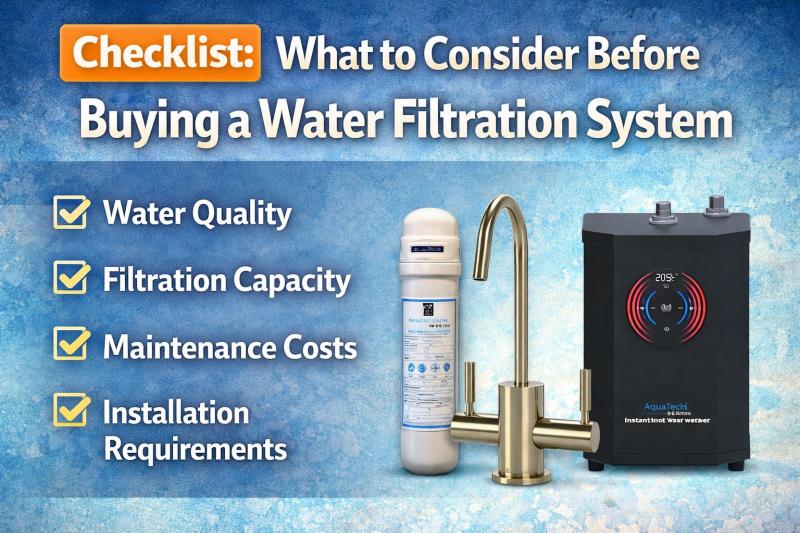
Clean and safe drinking water is essential for good health, yet the quality of tap water can vary widely depending on location, source, and treatment methods. With so many water filtration systems available today, choosing the right one can feel overwhelming. From understanding your water quality to evaluating maintenance needs, making an informed decision is key. This checklist will help you identify what to consider before buying a water filtration system that truly meets your household’s needs.
1. Understand Your Water Quality
The first and most crucial step before purchasing a water filtration system is to assess the quality of the water in your home. Water concerns vary by region, including excess chlorine, hard water, heavy metals, microorganisms, and bad taste and odor. Getting your water tested or checking your local water quality report might help you identify the toxins. Knowing what needs to be filtered allows you to select a solution that addresses your unique problems rather than over- or under-filtering.
2. Identify the Type of Filtration You Need
Water filtration systems are classified into several categories, including activated carbon filters, ultrafiltration (UF), reverse osmosis (RO), and multi-stage systems.Each has a different purpose. Carbon filters, for example, improve taste and remove chlorine, whereas UF systems eliminate bacteria and suspended particles without the use of energy. RO systems provide improved filtration, however they may not be necessary for many households. Understanding the strengths of each type allows you to select the best solution.
3. Decide Where the Filter Will Be Installed
Before purchasing, think about where you want the filtration system to be installed.Options include countertop and under-sink systems, as well as whole-house filtration devices. A point-of-use filter is ideal for drinking and cooking water, but a whole-house system filters water throughout the home, including bathing and laundry. Your decision should be based on space availability, budget, and how much filtered water you desire in your daily routine.
4. Check Filtration Capacity and Flow Rate
Filtration capacity refers to how much water a system can filter before the cartridge needs replacement. Flow rate determines how quickly filtered water is delivered. A system with a low flow rate may be inconvenient for larger families or busy kitchens. Reviewing these specifications ensures that the filtration system can keep up with your household’s daily water consumption without frequent interruptions.
5. Consider Maintenance and Replacement Costs
While the initial cost of a water filtration system is important, ongoing maintenance expenses should not be overlooked. Filters require regular replacement to remain effective, and replacement cartridges vary in cost and lifespan. Choose a system with easily available replacement filters and a maintenance schedule that fits your lifestyle. Low-maintenance systems are especially useful for busy households that prefer hassle-free operation.
6. Look for Certifications and Quality Standards
Reliable water filtration systems are tested and certified to meet safety and performance standards. Look for products that comply with recognized certifications, which indicate that the system has been independently tested for contaminant removal and durability. Certifications provide reassurance that the filtration system performs as claimed and delivers safe drinking water consistently.
7. Evaluate Ease of Installation
Some water filtration systems are designed for easy DIY installation, while others may require professional assistance. If you prefer a quick and simple setup, look for systems with clear instructions and minimal plumbing modifications. Ease of installation not only saves time but also reduces additional costs related to professional installation.
8. Assess Energy and Water Efficiency
Certain filtration systems require electricity, while others operate without power. Depending on your household setup and energy preferences, you may want a non-electric system that continues working during power outages. Additionally, consider water efficiency, some systems waste water during filtration, which may not be ideal in areas facing water scarcity.
9. Match the System to Your Household Needs
Household size, daily water usage, and lifestyle play a significant role in choosing the right filtration system. A small family may need a compact system, while larger households benefit from higher capacity and faster flow rates. Also consider specific needs such as filtered water for infants, elderly family members, or individuals with sensitive digestion.
10. Balance Budget with Long-Term Value
While it may be tempting to choose the cheapest option, a water filtration system should be viewed as a long-term investment in health. Balance your budget with factors such as durability, performance, and maintenance costs. A slightly higher upfront investment can often result in better filtration efficiency, longer lifespan, and lower expenses over time.
Conclusion
Buying a water filtration system is not just about choosing a product, it’s about making an informed decision that ensures safe, clean, and great-tasting water for your home. By considering your water quality, filtration needs, installation preferences, maintenance requirements, and budget, you can confidently select a system that fits your lifestyle. A thoughtful approach ensures better health, convenience, and peace of mind every time you turn on the tap. Get the most effective and Best filtration faucet for kitchen sink and water filtration system only at AquaNuTech.
Post Your Ad Here
Comments