Why Your Air Switch Is Not Working -Troubleshooting Guide
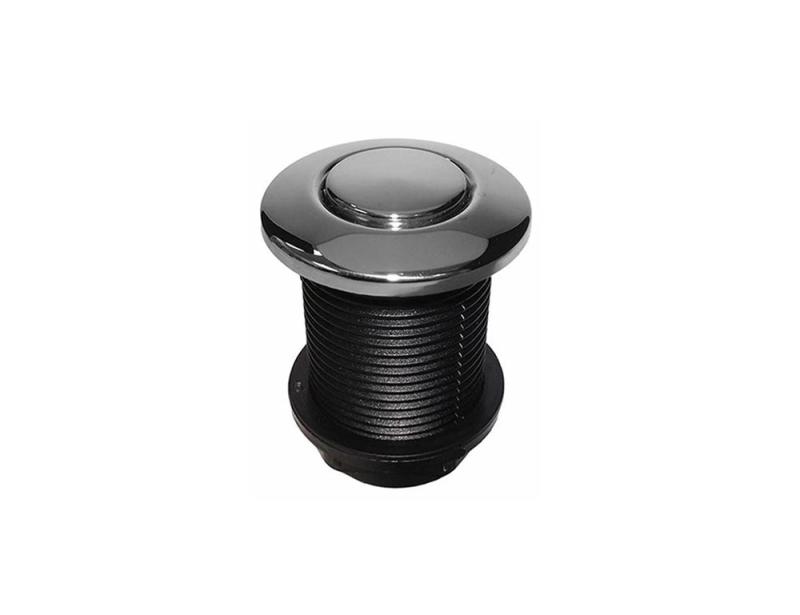
Why Your Air Switch Is Not Working
A garbage disposal air switch is one of the safest and most convenient ways to operate your disposal, particularly in moisture-prone sink and countertop environments. Unlike a standard electric wall switch, an air switch operates on pneumatic pressure: when you press the button, air travels through a tube to an air actuator (also known as a power module), which then activates the electrical circuit to operate the disposal. Because the device relies on both airflow and electrical communication, a breakdown in either of these pathways can cause the button to become unresponsive. When an air switch stops operating, the garbage disposal won’t turn on, even if the problem isn’t necessarily the disposal itself.
In many cases, something in the air switch system has gotten clogged, kinked, damaged, disconnected, or electrically compromised. The good news is that most air switch failures are frequent and predictable, and they can be fixed with targeted troubleshooting rather than costly replacement. This guide will assist you in navigating every possible point of failure, diagnosing the fundamental cause, and restoring proper performance safely and efficiently.
Understanding the Most Common Air Switch Failures
When an air switch fails, homeowners frequently assume the device is faulty or the button has died. However, because the system is made up of several components, the button, airline tube, power module, electric connection, and airflow passage any one of them could fail. The most common causes of air switch malfunction are low air pressure, blockages inside the button housing, a cracked or aging airline tube, a kinked or pinched tube under the sink, loose or corroded electrical plugs, water or moisture entering the switch module, and general wear-and-tear from regular use.
Some problems are mechanical (airflow related), while others are electrical (power module or wiring issues). In colder climates, air pressure may fluctuate slightly with temperature, but in most home kitchens, ambient pressure shifts are insufficient to disable the switch. Typically, the problem stems from an internal system restriction or disconnection. The first step toward resolving the issue is to determine if the problem is caused by air pressure or electrical power.
Begin with the power source: Is the module receiving electricity?
Before inspecting anything pneumatic, always check the electrical side. The air switch module is often hooked into a power outlet under your sink, and your disposal connects directly to the module, resulting in a controlled circuit. If the circuit does not get electricity, the disposal will not turn on, even if the air switch button clicks flawlessly. Start by verifying the outlet where the module is plugged in. Unplug the module and plug in another item, such as a phone charger or small appliance, to ensure that the outlet is operational.
If there is no electricity, check your electrical panel for a tripped breaker. If the outlet is regulated by a GFCI (ground-fault circuit interrupter) reset switch elsewhere in the kitchen, ensure that it has not been activated. GFCIs frequently trip when tiny moisture surges, wiring stress, or electrical abnormalities occur. Resetting the GFCI can immediately restore power to the air switch module. If the electrical connection is intact and the test equipment receives power normally, reconnect the module and ensure that the cords are securely fastened. Also, check the plug pins on the module and the disposal plug. If pins are loose, deformed, or blackened as a result of arcing or slight burn exposure, this could indicate a faulty circuit connection point.
Inspect the Air Button: Does it Click?
If electricity is flowing to the module but the system still does not respond, go to the button. Press the air switch on your countertop. Do you hear a clicking sound? The click is a useful initial diagnostic indicator since it indicates that the button mechanism is physically moving air. If you hear a click but the disposal does not turn on, the fault is most likely located downstream, in the air tube or the switch module. If you don't hear a click, the air button may be clogged, jammed, weakened by interior moisture, damaged by hardened debris, or worn out from repeated use.
Conclusion
Most air switch failures are caused by airflow disruption or electrical resets, rather than the disposal motor itself. The essential checkpoints to look for are power supply, button reaction, tube pressure, and moisture damage. Timely diagnosis allows for safe restoration of functionality without the need for needless replacements. Looking for the best garbage disposal air switch or Digital instant hot water dispenser? Choose AquaNuTech.
Post Your Ad Here
Comments