Which Vitamins and Minerals Do Most People Actually Need?
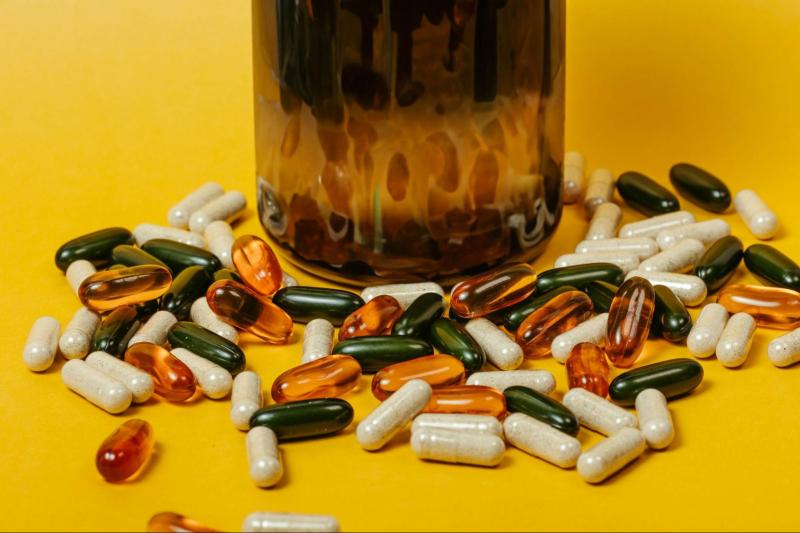
Determining which vitamins and minerals you truly need depends on your age, sex, diet, health status, and life stage. While the human body requires at least 13 vitamins and 16 essential minerals for optimal function, individual needs vary significantly. Understanding these requirements helps you make informed decisions about diet and supplementation rather than following generic recommendations that may not apply to your situation.
What Are the Most Common Nutrient Deficiencies?
Despite living in an era of food abundance, nutrient deficiencies remain surprisingly prevalent even in developed countries. Iron deficiency is the most common nutritional deficiency worldwide, affecting approximately 1.6 billion people globally. Women of childbearing age face the highest risk due to menstrual blood loss, while vegetarians and vegans also have elevated risk since plant-based iron is less bioavailable than iron from animal sources.
Vitamin D deficiency affects an estimated 40 to 50 percent of the general population in the United States. This widespread deficiency results from multiple factors including limited sun exposure, use of sunscreen, darker skin pigmentation in northern latitudes, obesity, and age-related decline in skin production of vitamin D. Most adults need between 600 and 800 IU daily, though many experts recommend higher amounts.
Vitamin B12 deficiency impacts approximately 15 percent of the general population but increases dramatically with age. Nearly 20 percent of adults over 60 have inadequate B12 status. This vitamin is found naturally only in animal products, making vegans and vegetarians particularly vulnerable. Additionally, many older adults lose the ability to absorb B12 from food due to reduced stomach acid production.
Magnesium deficiency is often overlooked despite affecting roughly 50 percent of Americans. Modern agricultural practices have depleted magnesium levels in soil, reducing the mineral content in crops. Additionally, processed foods lose most of their magnesium during manufacturing. Adults need 310 to 420 milligrams daily depending on age and sex.
Iodine deficiency has reemerged as a concern, particularly among pregnant women who need higher amounts for fetal brain development. The rise of specialty salts without iodine fortification and avoidance of iodized table salt have contributed to this trend. Pregnant women need 220 micrograms daily while breastfeeding women require 290 micrograms.
How Do Age and Life Stage Affect Nutrient Needs?
Nutritional requirements shift dramatically throughout life, with certain vitamins and minerals becoming more critical during specific life stages. Understanding these changing needs helps you adjust your diet and supplementation strategy appropriately.
Infants and young children have high nutrient needs relative to their body size to support rapid growth and development. Vitamin D is crucial for bone development, with exclusively breastfed infants requiring supplementation since breast milk contains insufficient amounts. Iron becomes critical around six months when stored iron from birth depletes and solid foods begin.
Adolescents experience another period of rapid growth requiring increased nutrients. Calcium intake during teenage years significantly impacts lifelong bone health. Girls face higher iron needs once menstruation begins. Many teenagers consume inadequate vitamins A, E, and D due to poor dietary choices.
Women of childbearing age need adequate folate to prevent neural tube defects in case of pregnancy. The critical period for fetal neural tube development occurs before many women realize they're pregnant, making preconception folate status crucial. The recommendation is 400 micrograms daily, increasing to 600 micrograms during pregnancy.
Pregnant women require increased amounts of nearly all nutrients to support fetal development. Iron needs nearly double to 27 milligrams daily. Calcium demands increase to 1000 milligrams. Vitamin A requirements rise but excessive intake can cause birth defects, illustrating the delicate balance pregnant women must maintain.
Older adults face multiple factors that increase deficiency risk. Reduced stomach acid production impairs absorption of vitamin B12, calcium, and iron. Decreased skin synthesis reduces vitamin D production. Age-related appetite decline and dental problems may limit food intake. Many older adults take medications that interfere with nutrient absorption or increase excretion.
What Role Do Calcium and Vitamin D Play Together?
Calcium and vitamin D work synergistically to maintain bone health throughout life. Your skeleton contains 99 percent of your body's calcium, constantly being remodeled through bone breakdown and formation. Adequate calcium intake during childhood and adolescence builds peak bone mass that protects against fractures later in life.
Adults need 1000 to 1200 milligrams of calcium daily depending on age and sex. Dairy products provide the most concentrated sources, but leafy greens, fortified plant milks, and canned fish with bones also contribute. Many people fall short of recommendations, particularly those who avoid dairy.
Vitamin D enables calcium absorption in the intestine. Without sufficient vitamin D, your body can only absorb 10 to 15 percent of dietary calcium. With adequate vitamin D, absorption increases to 30 to 40 percent. This explains why calcium supplementation alone often proves ineffective for bone health if vitamin D status remains low.
The skin produces vitamin D when exposed to ultraviolet B radiation from sunlight. However, factors including latitude, season, time of day, skin pigmentation, sunscreen use, and age dramatically affect synthesis. Very few foods naturally contain vitamin D, making supplementation necessary for many people.
Research from NIH resources indicates that vitamin D may influence far more than bone health, with potential roles in immune function, mood regulation, and chronic disease prevention. However, most evidence for non-skeletal benefits remains preliminary.
The relationship between calcium, vitamin D, and bone health grows more complex with age. While adequate intake remains important, excessive calcium supplementation in older adults has raised cardiovascular concerns. Most experts now recommend obtaining calcium primarily from food sources when possible.
Which B Vitamins Matter Most for Different Groups?
The B vitamin complex includes eight distinct vitamins, each with specific functions and varying importance for different populations. Understanding which B vitamins deserve attention based on your circumstances helps target supplementation appropriately.
Vitamin B12 is critical for vegetarians and vegans since it occurs naturally only in animal products. Fortified foods and supplements provide the only reliable sources for those following plant-based diets. Even people who consume animal products may develop deficiency due to impaired absorption, particularly with aging or certain medications like metformin and proton pump inhibitors.
Folate is essential for women of childbearing age due to its role in preventing neural tube defects during early pregnancy. While folate occurs naturally in leafy greens, legumes, and fortified grains, many women still don't meet requirements. Folic acid, the synthetic form used in supplements and fortification, is more bioavailable than natural folate from food.
Vitamin B6 becomes increasingly important with age for its role in homocysteine metabolism. Elevated homocysteine is associated with increased cardiovascular disease and cognitive decline risk. Older adults, particularly those taking medications that interfere with B6 metabolism, may benefit from supplementation.
Thiamine deficiency, while rare in developed countries, occurs more frequently in people with alcohol use disorder. Alcohol interferes with thiamine absorption and increases urinary excretion. Severe deficiency leads to beriberi or Wernicke-Korsakoff syndrome, causing serious neurological damage.
Niacin in high doses affects cholesterol levels and is sometimes prescribed as a medication for dyslipidemia. However, over-the-counter niacin supplements at these doses can cause significant side effects including liver damage and should only be taken under medical supervision.
Do Athletes and Active People Need Extra Vitamins?
Physical activity increases demands for several nutrients involved in energy metabolism, oxygen transport, and tissue repair. However, whether athletes require supplementation beyond a balanced diet remains debatable for most nutrients.
Active individuals need slightly higher amounts of B vitamins since these serve as cofactors in energy metabolism. However, athletes typically consume more food overall to meet increased caloric demands, which naturally provides more B vitamins unless food choices are poor. Deficiency is more likely to result from inadequate total caloric intake rather than increased needs alone.
Iron is crucial for athletes, particularly endurance athletes and women with heavy menstrual periods. Exercise can increase iron losses through sweating, gastrointestinal bleeding, and foot-strike hemolysis where red blood cells rupture from repetitive impact. Iron deficiency impairs oxygen delivery to muscles, significantly limiting performance.
Vitamin D has garnered attention in sports nutrition due to its roles in muscle function, inflammation, and immune health. Many athletes have suboptimal vitamin D status, particularly those who train primarily indoors or live at northern latitudes. Some research suggests vitamin D supplementation may improve muscle strength and reduce injury risk in deficient athletes.
Antioxidant vitamins including C and E have been popular among athletes for decades based on the theory that exercise increases oxidative stress requiring enhanced antioxidant defenses. However, research reveals a more complex picture. While exercise does generate reactive oxygen species, these molecules also serve important signaling functions that trigger beneficial training adaptations.
High-dose antioxidant supplementation may actually blunt some training adaptations by interfering with these signaling pathways. Most sports nutrition experts now recommend obtaining antioxidants from whole foods rather than high-dose supplements, allowing the body's natural antioxidant systems to adapt to training stress.
How Can You Assess Your Personal Vitamin Needs?
Determining your individual vitamin and mineral requirements involves evaluating multiple factors including your current diet, health status, medications, and any symptoms that might indicate deficiency.
Start by honestly assessing your dietary patterns. Track your food intake for several days using a nutrition tracking app to see which nutrients you consistently underconsume. This reveals patterns more accurately than trying to estimate intake from memory.
Consider life stage and circumstances that increase needs. Pregnant women, exclusively breastfed infants, older adults, strict vegetarians, and people with certain medical conditions have higher requirements or absorption challenges for specific nutrients.
Pay attention to symptoms that might indicate deficiencies, though these are often nonspecific. Fatigue, weakness, frequent infections, slow wound healing, hair loss, and cognitive difficulties can all result from various nutrient inadequacies. However, these symptoms also occur with many other conditions.
Blood tests provide the most definitive assessment of nutritional status for many vitamins and minerals. Vitamin D, B12, folate, and iron status can all be evaluated through blood work. However, some nutrients like magnesium are difficult to assess accurately since blood levels don't always reflect total body stores.
Consult with healthcare providers or registered dietitians for personalized assessment. These professionals can evaluate your overall nutritional status, identify specific deficiency risks based on your circumstances, and recommend appropriate testing or supplementation.
Personalizing Your Nutritional Strategy
While general vitamin and mineral recommendations provide useful starting points, individual needs vary significantly based on age, sex, diet, health status, and lifestyle factors. The most common deficiencies including iron, vitamin D, B12, and magnesium affect specific populations more heavily, suggesting that blanket supplementation recommendations are inadequate. Athletes and active individuals have somewhat higher needs for certain nutrients but may not require supplementation if consuming adequate calories from nutrient-dense foods. The optimal approach involves assessing your personal circumstances, obtaining nutrients primarily from whole foods when possible, and using targeted supplementation for documented deficiencies or high-risk situations. Regular reevaluation ensures your nutritional strategy adapts to changing needs throughout different life stages.
Post Your Ad Here
Comments