How Do Dietary Supplements Differ from Prescription Medications?
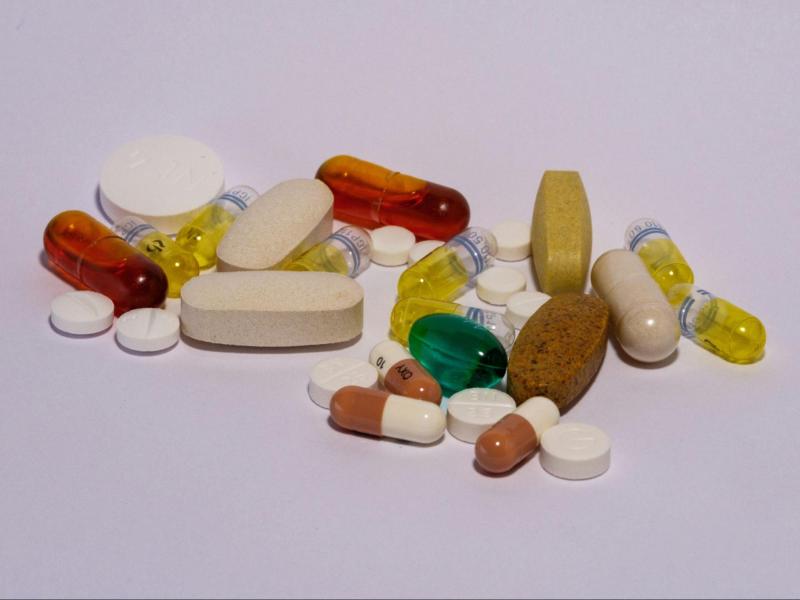
Dietary supplements and prescription medications serve fundamentally different purposes and undergo vastly different regulatory processes before reaching consumers. While medications are designed to diagnose, treat, cure, or prevent diseases, supplements are intended to support overall health and fill nutritional gaps. This distinction shapes everything from how they're tested to how they're marketed and sold.
What Defines a Dietary Supplement Legally?
The Dietary Supplement Health and Education Act of 1994 established the legal framework that governs supplements in the United States. Under this law, dietary supplements are products intended to supplement the diet and contain one or more dietary ingredients including vitamins, minerals, herbs, amino acids, enzymes, organ tissues, glandulars, and metabolites.
Supplements must be taken orally and labeled clearly as dietary supplements. They come in various forms including tablets, capsules, powders, softgels, gelcaps, and liquids. Unlike conventional foods, supplements are not intended to be consumed as a sole meal or diet, though they may be added to food or beverages.
The legal definition explicitly prohibits supplements from claiming to treat, diagnose, prevent, or cure diseases. Instead, they can only make structure-function claims describing how a product affects normal structure or function of the body. For example, a calcium supplement can claim it "supports bone health" but cannot claim it "prevents osteoporosis."
How Does FDA Oversight Differ for Supplements Versus Drugs?
Prescription medications must undergo rigorous testing before the FDA approves them for market. This process typically involves years of laboratory research, animal studies, and three phases of human clinical trials involving thousands of participants. The FDA reviews all data for safety and efficacy before granting approval.
Dietary supplements face no such pre-market approval requirement. Manufacturers are responsible for ensuring their products are safe and that any claims made are substantiated. The FDA does not evaluate supplements before they're sold, stepping in only after products reach the market if safety concerns arise.
This fundamental difference means prescription drugs have established dosing guidelines, documented side effects, and proven efficacy for specific conditions. Supplements, conversely, may vary widely in quality, potency, and actual ingredient content between brands and even between batches from the same manufacturer.
The FDA can take action against supplement companies if products are found to be unsafe, contaminated, or making illegal claims. However, according to FDA guidance, the burden of proof falls on the agency to demonstrate a product poses a significant risk rather than on the manufacturer to prove safety before marketing.
What Types of Claims Can Supplement Labels Legally Make?
Supplement labels can include three types of claims, each governed by different rules and evidence requirements. Understanding these distinctions helps consumers interpret marketing messages accurately.
Structure-function claims describe the role of a nutrient or dietary ingredient in affecting normal structure or function of the human body. Examples include "calcium builds strong bones" or "fiber maintains bowel regularity." These claims require manufacturers to have substantiation but don't need FDA pre-approval. Labels must include the disclaimer: "This statement has not been evaluated by the Food and Drug Administration. This product is not intended to diagnose, treat, cure, or prevent any disease."
Nutrient content claims characterize the level of a nutrient in a product using terms like "high," "low," or "free." For example, "high in vitamin C" or "low sodium." These claims are regulated and must meet specific FDA criteria based on reference daily intake values.
Health claims describe a relationship between a food substance and reduced risk of a disease or health condition. These are the most strictly regulated claims and require either FDA pre-approval or authorization based on significant scientific agreement. Only a limited number of health claims have been approved, such as the relationship between calcium and reduced risk of osteoporosis.
Disease claims, which state that a supplement treats, prevents, cures, or diagnoses a disease, are prohibited for supplements. Any product making such claims is considered an unapproved drug and subject to regulatory action.
Why Do Supplement Contents Sometimes Differ From Labels?
Independent testing repeatedly reveals discrepancies between what supplement labels claim and what bottles actually contain. These variations range from minor potency differences to complete absence of key ingredients or presence of unlisted contaminants.
Several factors contribute to these inconsistencies. The natural variability in botanical ingredients means that herb potency can fluctuate based on growing conditions, harvest timing, and processing methods. Some manufacturers lack the quality control systems necessary to ensure consistency across production batches.
More concerning are cases of economic adulteration, where companies intentionally substitute cheaper ingredients or dilute expensive active compounds to increase profits. FDA monitoring has identified products spiked with prescription drugs, contaminated with heavy metals, or containing dangerous ingredients not listed on labels.
The absence of mandatory third-party testing before products reach market means consumers often serve as the first line of quality control. When problems are discovered, the FDA can issue warning letters or recalls, but by then products have typically been on shelves for months or years.
Choosing supplements certified by independent testing organizations like USP, NSF International, or ConsumerLab provides some assurance of quality. These organizations verify that products contain ingredients listed on labels in declared amounts and are free from harmful contaminants.
Can Supplements Interact with Prescription Medications?
Supplement-drug interactions represent one of the most underappreciated safety concerns in healthcare. Many people assume that because supplements are natural, they're safe to take with any medication. This assumption can have dangerous consequences.
St. John's wort, a popular herbal supplement for mood support, accelerates the metabolism of dozens of medications including birth control pills, blood thinners, antidepressants, and immunosuppressants. This can reduce medication effectiveness and lead to treatment failure or unwanted pregnancy.
Vitamin K interferes with warfarin, a blood-thinning medication, by promoting blood clotting. Patients taking warfarin must maintain consistent vitamin K intake and avoid high-dose supplements to ensure stable medication effects.
Calcium and iron supplements can bind to certain antibiotics and thyroid medications in the digestive tract, preventing absorption of these critical drugs. Taking these supplements several hours apart from medications helps minimize interactions.
Ginkgo biloba, garlic supplements, and fish oil all have blood-thinning effects. When combined with aspirin, warfarin, or other anticoagulants, they increase bleeding risk. This becomes particularly dangerous before surgery.
Healthcare providers need complete information about all supplements patients take to identify potential interactions. However, studies show that fewer than half of patients voluntarily disclose supplement use to their doctors. Many people don't consider supplements "real medicine" worth mentioning.
Who Should Avoid or Use Caution With Supplements?
Certain populations face elevated risks from supplement use and require extra caution. Pregnant and breastfeeding women should consult healthcare providers before taking supplements beyond standard prenatal vitamins. Some herbs and high-dose vitamins can affect fetal development or pass into breast milk with unknown effects on infants.
Children have different nutritional needs than adults and are more susceptible to vitamin toxicity due to their smaller body size. Supplements formulated for adults may contain excessive doses for children. Parents should only give children supplements specifically designed for pediatric use and under professional guidance.
People with chronic health conditions, particularly liver or kidney disease, need medical supervision with supplements. These organs metabolize and excrete supplement ingredients, and impaired function can lead to toxic accumulation.
Individuals scheduled for surgery should inform their surgical team about all supplements they take. Many supplements affect blood clotting, blood sugar, blood pressure, or interact with anesthesia. Surgeons typically recommend stopping certain supplements one to two weeks before procedures.
Anyone taking prescription medications should discuss supplements with their pharmacist or doctor to check for potential interactions. This includes over-the-counter medications like aspirin and antacids, which can also interact with supplements.
How Should You Evaluate Supplement Quality and Safety?
Researching supplements before purchase helps you make informed decisions and avoid potentially harmful products. Start by looking for third-party certification seals from USP, NSF International, or ConsumerLab on product labels. These indicate the product has undergone independent testing for purity and potency.
Check the FDA's dietary supplement database and warning letters to see if the company or product has faced regulatory action. The agency publishes information about tainted supplements, recalls, and companies making illegal claims.
Be skeptical of dramatic claims or promises of rapid results. Legitimate supplements support health over time rather than providing immediate, drug-like effects. Claims that sound too good to be true usually are.
Look for products that list specific amounts of active ingredients rather than using proprietary blends that hide actual quantities. You have a right to know exactly what and how much you're consuming.
Consider whether you actually need a supplement. Blood tests can identify true deficiencies requiring supplementation rather than taking products based on vague symptoms or marketing claims. Many people waste money on unnecessary supplements while ignoring more impactful lifestyle changes.
Making Smart Supplement Decisions
Dietary supplements occupy a unique space between food and medicine, offering potential benefits but lacking the rigorous oversight of prescription drugs. Understanding the regulatory differences, recognizing legitimate versus misleading claims, being aware of interaction risks, and choosing quality products empowers consumers to use supplements safely and effectively. The best approach combines obtaining nutrients primarily from whole foods, using supplements strategically for documented deficiencies or specific needs, and maintaining open communication with healthcare providers about all supplements consumed. This balanced strategy maximizes potential benefits while minimizing the real risks that supplements can pose when used carelessly or without proper guidance.
Post Your Ad Here
Comments