Why Most Menu Redesigns Do Not Increase Sales (Even When They Look Better)
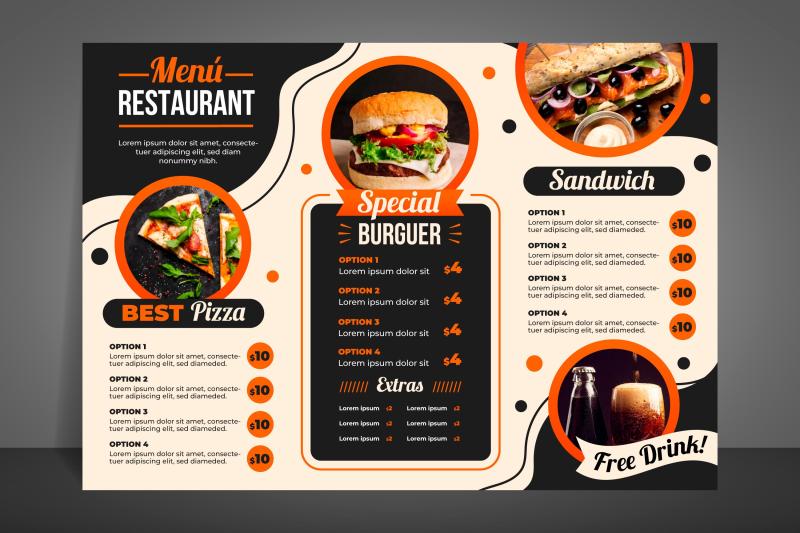
When Visual Improvement Fails to Move Revenue
Restaurants redesign menus all the time.
New colours. Cleaner layouts. Better photos. Updated fonts.
The result often looks undeniably better.
And yet, sales stay flat.
This disconnect frustrates owners because the effort feels justified. Time was spent. Money was invested. Feedback was positive. Still, average order value barely shifts.
The reason is simple but rarely acknowledged.
Menus do not exist to look good.
They exist to guide decisions under pressure.
Most redesigns focus on appearance while ignoring how customers actually read, scan and choose in real service conditions.
A Better Looking Menu Is Not Automatically a Better Selling Menu
Design improvements are often judged visually rather than behaviourally.
Owners ask:
Does it look modern
Does it feel premium
Does it match the brand
They rarely ask:
Does it change how people order
Does it reduce friction
Does it direct attention deliberately
A menu can be beautiful and still ineffective if it does not influence choice.
Sales driven menus are built around behaviour, not aesthetics.
Customers Do Not Read Menus the Way Designers Expect
In theory, customers read from top to bottom.
In practice, they do not.
They scan.
They skim.
They jump.
They pause unpredictably.
Menus are read quickly, often while talking, under imperfect lighting, with distractions and time pressure.
Redesigns that rely on careful reading patterns usually fail.
If a menu requires focus to understand, customers default to familiar items or safe pricing.
That lowers spend.
Visual Balance Can Kill Commercial Focus
One of the most common redesign mistakes is over balancing the layout.
Everything is given equal weight.
Every item looks equally important.
Every section is evenly spaced.
This feels clean but it removes hierarchy.
When everything looks important, nothing feels recommended.
High margin items blend in. Signature dishes lose emphasis. Add ons are overlooked.
A menu that sells well is not neutral.
It quietly suggests what to choose.
Too Much Information Creates Defensive Ordering
Many redesigns attempt to be more informative.
Descriptions get longer.
Details multiply.
Icons and symbols increase.
This creates the opposite effect.
When customers feel overloaded, they become conservative. They choose faster, safer and cheaper options.
Menus should reduce decision effort, not increase it.
Clarity sells more than completeness.
Price Presentation Often Gets Worse After Redesigns
In an effort to appear premium or modern, redesigns often change how prices are shown.
Common issues include:
Prices aligned inconsistently
Currency symbols removed without context
Dense pricing clusters
Small or low contrast pricing
Customers still look for prices.
When they struggle to find them, trust drops.
Unclear pricing leads to hesitation. Hesitation lowers add ons and upgrades.
Good makes pricing easy to find and easy to accept.
Design Trends Do Not Equal Sales Psychology
Trends influence redesigns heavily.
Minimalism
Muted palettes
Sparse layouts
Light typography
These trends photograph well and impress stakeholders.
They do not always work in busy restaurants.
Menus are not viewed in calm environments. They are viewed during service.
Thin fonts disappear under warm lighting. Low contrast reduces readability. Minimal spacing can make sections blend together.
Design trends borrowed from branding often clash with hospitality reality.
Redesigns Rarely Consider Physical Interaction
Menus are physical objects, not screens.
They are:
Held at angles
Viewed under glare
Touched repeatedly
Folded and stacked
Redesigns often ignore this.
A layout that feels elegant digitally may feel awkward physically. Pages may not open naturally. Columns may break reading flow. Panels may fight against hand positioning.
If interaction feels unnatural, reading becomes effortful.
Effort reduces exploration. Exploration drives higher spend.
Consistency Loss Breaks Trust Subconsciously
Many redesigns focus on creativity and uniqueness.
In doing so, they introduce inconsistency.
Spacing shifts.
Section logic changes.
Tone varies across pages.
Customers notice subconsciously.
Inconsistency creates doubt.
Doubt leads to conservative choices.
Menus that sell well feel predictable in structure even when content changes.
Redesigns Often Ignore Existing Customer Behaviour
Restaurants with loyal customers redesign menus expecting excitement.
Instead, regulars feel disoriented.
Favourite items move.
Sections are renamed.
Visual anchors disappear.
Regulars are valuable because they order confidently and often spend more.
Disrupting their mental map without reason reduces comfort.
Good redesigns respect existing behaviour while improving clarity.
The Absence of Testing Is the Silent Failure Point
Most menu redesigns are approved internally.
Owners review them.
Designers present them.
Staff comment briefly.
Very few menus are tested in live service before full rollout.
This is where mistakes survive.
Testing reveals:
Glare issues
Unreadable sections
Confusing flow
Awkward page turns
Without testing, redesigns rely on assumptions.
Menus that increase sales are refined through observation, not opinion.
When Design Improves But Conversion Does Not
The disappointment often comes later.
Menus look better.
Customers compliment them.
Photos look great online.
Yet:
Average spend remains unchanged
Add ons are still ignored
High margin items underperform
This happens because visual improvement was mistaken for behavioural improvement.
Menus sell when they guide choices, not when they impress.
The Real Goal of a Menu Redesign
The purpose of a redesign is not to modernise.
It is to:
Reduce decision effort
Increase confidence
Highlight profitable items
Encourage exploration
Support staff during service
When these goals are prioritised, visual improvement follows naturally.
When visuals come first, sales rarely follow.
Redesigning With Reality in Mind
Menus that increase sales share certain characteristics.
They are structured for scanning.
They use hierarchy deliberately.
They respect physical interaction.
They remain readable under real lighting.
They feel consistent across pages.
Most importantly, they are designed around how people actually behave, not how designers wish they would behave.
Why Expertise Matters More Than Creativity
Creative designers can make menus look exceptional.
Experienced menu specialists understand how menus perform.
That difference determines results.
Post Your Ad Here
Comments