Branding on Wheels: How to Plan a Full Vehicle Wrap Strategy for Your Business Fleet
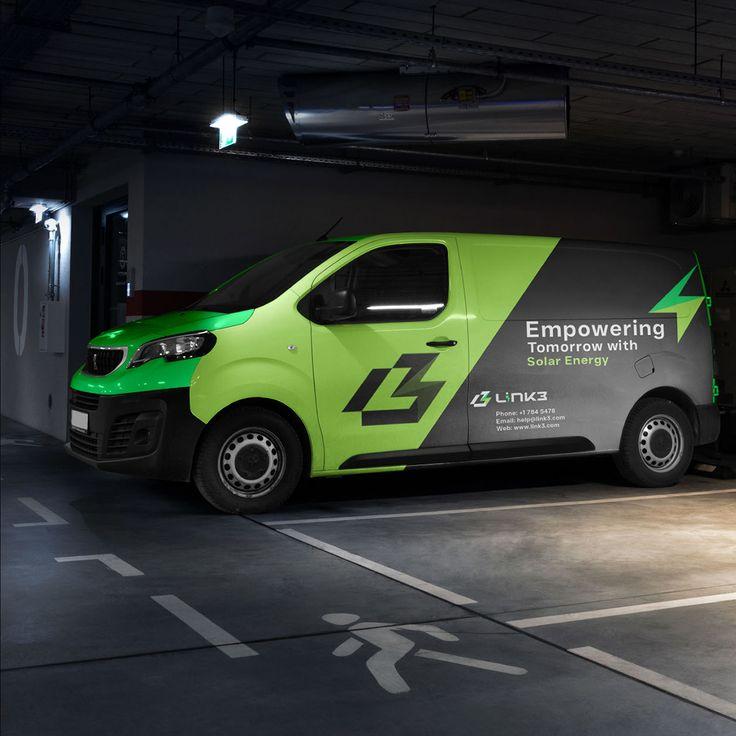
When you think about modern branding, you probably imagine social media ads, Google visibility, maybe a nice website and a few flyers sprinkled around town. What many businesses miss is something surprisingly powerful. Their own vehicles. Whether you operate just two vans or a fleet of thirty going across cities every single day, your vehicles are basically a moving billboard. A rolling identity that constantly shows your brand to new eyes. And that is exactly where a proper vehicle wrap strategy comes in.
In the UK, more companies have started investing in vehicle wraps because they have realised something interesting. A single van circling around Croydon or central London can get thousands of impressions in one day. That is more than many sponsored posts can offer. And when you multiply that by five vehicles or ten, you get a marketing channel that works even when your business is closed for the night. I You Print often sees this with local tradespeople and companies that rely on regional visibility. The return on visibility is simply higher than people think.
In this guide, I will walk you through how to actually plan a proper vehicle wrap strategy for a business fleet. Not just slapping a logo on the side. A proper strategy that feels intentional, looks great, and actually helps your brand get noticed without feeling messy or forced.
Understanding What a Vehicle Wrap Really Does for Your Brand
A wrap is more than decoration. It is more than colours and logos. Think of it as part advertising, part identity, part first impression.
When your fleet looks consistent, people automatically trust the brand more. Human brains like consistency. It signals structure and reliability. If your vehicles look like a united squad, customers assume your services follow the same principle.
A fleet wrap also creates familiarity. People may see your van at a traffic light, later at the supermarket car park, then again outside a client’s home. Each impression builds recognition. And recognition builds trust. It is a slow and steady compounding effect.
This is why I You Print spends a lot of time helping businesses get the design language right. A good wrap does not overwhelm people with text. It communicates core identity with clarity.
Step 1. Define the Purpose Behind the Wrap
Before you even think about colours, finishes, or fancy chrome textures, get clear on what you want the wrap to achieve.
Ask yourself three simple questions.
Is the main purpose advertising
Do you want the wrap to bring in new customers by displaying your services or promotions?
Is the purpose branding
Do you want to build recognition and improve the look of your fleet so it feels premium and unified?
Is the purpose functional
Some wraps are created to protect the vehicle paint or follow industry regulations.
Most businesses mix the first two. Some want clear advertising with bold messages. Others want a clean corporate design that feels premium and minimal. Knowing your purpose will help you avoid a cluttered result.
Step 2. Build a Consistent Visual Theme
Once you know why you are wrapping the vehicles, the next job is to create a theme. This theme must connect across all vehicles regardless of size. A small car, a mid sized van and a large Luton van should all look like siblings of the same family.
Consider these elements.
Brand colours
Pick two or three primary colours. Too many colours look noisy. Keep the tones consistent across the entire fleet.
Typography
Use one main font style. If your logo has a specific font, keep it aligned with the rest of the wrap.
Logo placement
Decide where the logo will always sit. Usually front side and rear. Do not move it around randomly.
Pattern or design language
Some brands use geometric shapes. Some prefer clean lines or swooshes. Others use large imagery. Whatever you choose, keep the language identical across every vehicle.
When I You Print creates design mockups, we always show how it would look on multiple shapes of vehicles. This helps companies understand how flexibility works.
Step 3. Choose the Right Vinyl Material
There is no single best vinyl type. It depends on budget, purpose and the look you want.
Here are the common choices.
Gloss wrap
The classic style. Looks similar to paint. Suitable for most businesses.
Matte wrap
Smooth and modern. Great for premium brands or minimalist looks.
Satin wrap
Somewhere between gloss and matte. Gives a soft finish.
Carbon fibre or textured wraps
These add depth. Good for accent parts rather than full fleet designs.
Chrome or metallic wraps
Attention grabbing but more expensive. Usually used sparingly.
When planning a fleet wrap strategy, it is often better to avoid too much texture. Consistency is easier with smooth vinyl types. Your audience should recognise the design first, not the texture.
Step 4. Consider Readability and Messaging
A vehicle moves. That means your message must be readable within a second or two. Many businesses overload the wrap with paragraphs of services. People will not read them.
Focus on the essentials.
Company name
Large but not overwhelming.
Logo
Clear and visible.
Core service or tagline
Short and memorable.
Phone number or website
Only one call to action. Preferably website because it is easier to remember.
Try this quick rule. If someone sees your van for three seconds while driving, will they understand what you do
A clean design wins. Always.
Step 5. Plan for Different Vehicle Types
Fleet wrapping becomes tricky when the fleet contains different models. A Ford Transit, a Vauxhall Vivaro and a small Peugeot all have different panel shapes. You need a design system that adapts without breaking its identity.
Some tips.
Keep the logo placement consistent.
Use similar scale ratios across vehicles.
Avoid using elements that rely on exact positions from window edges because shapes vary.
Test the design on mockups for each model before printing.
This is where professional designers, such as the team at I You Print, make a big difference. They understand how to stretch or reposition graphics without losing the feeling of brand unity.
Step 6. Understand Fleet Wrap Costs
Fleet wraps are an investment. Costs depend on many factors such as vehicle size, coverage area, vinyl type and design complexity.
Here is a general idea.
Small cars cost less, mid sized vans cost more, and large box vans cost the highest.
Full wraps cost more than partial wraps.
Premium vinyl like chrome or carbon fibre increases the price.
Complex artwork adds to the design cost.
Many businesses find that doing the entire fleet at once helps with consistency and cost planning. Others wrap vehicles slowly over time. Both approaches work as long as the strategy is clear.
Step 7. Maintenance and Aftercare
A wrap will only look good if the vehicles are maintained properly.
Avoid automatic car washes.
Use gentle cleaning with soft cloths.
Keep the wrap away from heavy chemicals.
Repair scratches early so they do not spread.
The wrap lasts longer with proper good care, usually three to five years depending on usage and weather.
Businesses often assign drivers a simple checklist. This helps the fleet look fresh and professional at all times.
Step 8. Track Performance and Adjust the Design
You are not done once the wraps are installed. A smart business monitors how well the wraps perform.
Some simple ways.
Add trackable landing pages.
Ask customers how they heard about you.
Check whether brand recognition increases locally.
Observe which vehicles get the most visibility.
If you notice that a certain colour pops more or a particular van brings more calls, you can adapt the next batch of wraps accordingly.
Final Thoughts
A fleet vehicle wrap strategy is not only a branding trick. It is a long term visibility machine. When executed well, it gives your brand presence on every road, every street and every customer driveway. It builds trust without speaking a single word. And for many businesses in the UK, this becomes their strongest offline marketing asset.
If you ever explore wrapping options or need design mockups, companies like I You Print specialise in exactly this kind of work. But even if you do it with any provider, what matters is that you approach it with strategy, intention and a clear sense of your brand’s identity.
A wrap is not just colour on metal. It is a story on wheels. And the more consistently that story appears across your business fleet, the stronger your branding becomes over time.
Post Your Ad Here
Comments