Mitsubishi Lancer: Born on Japanese streets, driven worldwide
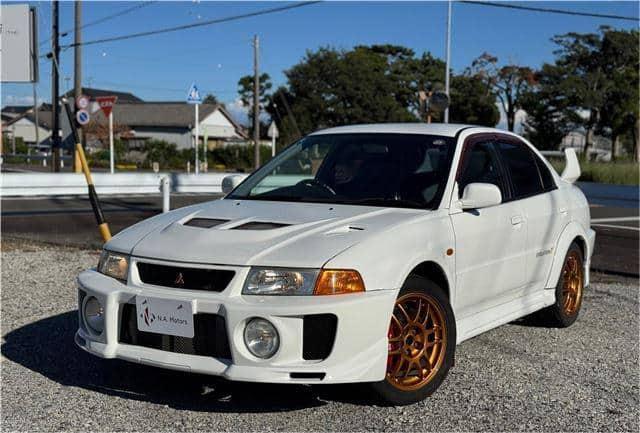
In the automotive market, the Lancer Evolution is revered as a legendary rally icon, but it is often deemed too costly and aggressive for daily driving. The standard JDM Lancer, particularly the Lancer Wagon, emerges as an ideal alternative. With the U.S. used-car market struggling with high prices and mileage, importing a clean Lancer offers rally-bred durability and practicality. Trims like the Ralliart or GSR provide performance without financial strain, positioning the Lancer as a smart, affordable choice often overlooked.
Why the Lancer Is Perfect for Everyday American Driving
The Lancer is an ideal fit for American daily life, offering a balanced size that comfortably accommodates four adults while being compact enough for tight parking spaces. Its wagon variant provides cargo space similar to compact SUVs, without the associated fuel costs. The Lancer features efficient 1.5L and 1.8L engines that deliver significant fuel savings compared to larger vehicles. Additionally, many non-Evo models come with a reliable AWD system, enhancing performance in adverse conditions while maintaining affordability, making it a practical choice for daily driving.
Evo vs. The Rest: Picking the Right Tool for the Job
When the term "Lancer" is mentioned, many think of the Evolution VI, renowned for its exceptional turbo power and handling, particularly in the coveted Tommi Mäkinen Edition. However, this high-performance model can be costly and intense, making it impractical for everyday commuting. The regular Lancer serves as a more sensible option, offering GSR and MR sedans that combine sporty aesthetics with comfort and mild turbo efficiency, providing a “junior Evo” experience without financial strain or excessive discomfort on less-than-ideal roads. For utilitarian needs, the Lancer Cedia Wagon and Cargo models are suited for small business applications, featuring ample cargo space and options for all-wheel drive, which are beneficial in challenging weather conditions. The advice summarizes that while the Evo is ideal for car enthusiasts wanting to showcase performance, the Cedia or GSR better caters to practical users requiring reliable transportation for daily activities.
What to Know Before Buying a JDM Lancer
When shopping for a JDM Lancer, first assess its overall import condition, paying particular attention to vulnerable parts like shock towers and rear arches. Generally, these vehicles are in better condition than U.S. used cars, and many parts can be sourced locally from U.S. market Mirages and Lancers. The transmission is also crucial; while some Cedia models have a smooth CVT suited for city driving, manuals are preferable for longevity and driving enjoyment. Lastly, inspect the engine during cold starts for a clean idle, ensuring it hasn't been left unused for extended periods.
The 2000 Model Year: What Just Became Legal?
With the 25-Year Import Rule, cars become street-legal in the U.S. when they reach 25 years of age, allowing 2000 model-year Lancers to be imported. The 2000 Lancer Cedia represents a significant upgrade from its 1990s predecessors, featuring a modernized design, improved cabin noise, enhanced suspension, additional safety features, and a more spacious interior. This change marks a transition from old-style compacts to contemporary driving experiences, providing U.S. buyers access to cleaner, lower-mileage vehicles that balance vintage appeal with modern comforts.
Finally
The Mitsubishi Lancer is more than a familiar face in pop culture; it's a reliable vehicle suited for various American driving conditions, from urban streets to rural routes. With models like the Evo VI for enthusiasts and the practical Cedia Wagon, it exemplifies durable Japanese engineering. Additionally, the Nissan Silvia is emerging as a notable JDM option in the U.S., offering a sporty, rear-wheel-drive alternative for driving aficionados. You can now check the Mitsubishi Lancer stock list for available models and purchase parts here.
Post Your Ad Here