Tiny but timeless. The Subaru R1 and R2 rolls with character in every curve
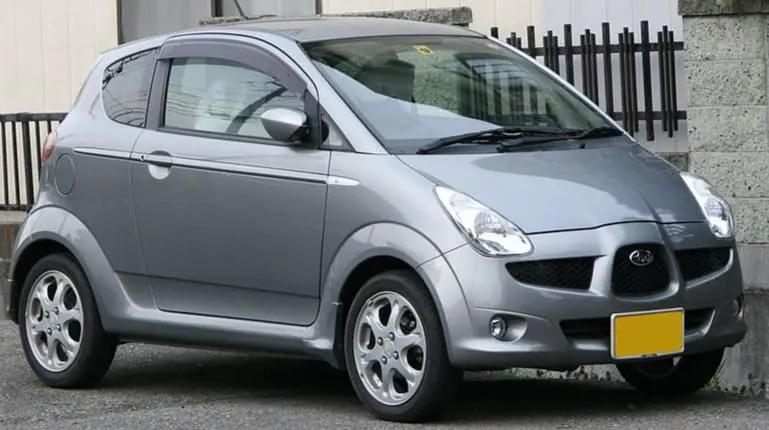
The Subaru R-2 is a compact car produced by Subaru (previously known as Fuji Heavy Industries) from 1969 until 1972. Production recommenced in late 2003 with the Subaru R2, which drew design inspiration from the earlier R-2 models. Following the R2, Subaru introduced the Subaru R1 in early 2005, a 3-door variant designed as a kei car, featuring a shorter wheelbase of 2195 mm compared to the R2's 2360 mm. The R1 did not utilize the maximum length permissible under kei car regulations, a distinction it holds since 1989. Both the R1 and R2 are characterized by a distinctive aviation-inspired front grille resembling spread wings.
Interior
The interior of the vehicle is equipped with an advanced audio system that includes a mini-disk/CD player, adding entertainment options for passengers. It provides practicality with cup holders positioned for both front and rear passengers. Safety features are enhanced with child seat fasteners and new head restraints, which aim to improve passenger security. Additionally, the vehicle's design includes folding mirrors and folding rear seats, contributing to its functionality and ease of use. The extended roof design offers a more comfortable driving experience. The vehicle is available in two drive configurations: front-wheel drive (FWD) and all-wheel drive (AWD), represented by the R1 and R2 models.
Exterior
Externally, the vehicle features R1/R2 drop-shaped xenon headlights, uniquely shaped air intakes, an aviation-inspired front grille, and a selection of 11 colors. Additional design elements include discolored side direction indicators, an aggressively styled front bumper, tinted rear and tailgate windows, and front fog lights.
Safety
Subaru prioritized safety in the R2/R1 models, incorporating a range of standard safety features including seat belts equipped with pretensioners, airbags, an emergency brake assist system, electronic brake distribution (EBD), and anti-lock braking system (ABS).
Engine
The Subaru R2 and R1 models differ from the majority of Subarus by utilizing inline engines rather than the typical horizontally opposed (boxer) engines. They are equipped with a 0.7L EN07 inline four-cylinder engine that is available in three variants: the “I” model features the EN07U SOHC with one camshaft (8 valves), yielding 34 kW (46 HP); the “R” model utilizes the EN07D DOHC engine with 16 valves and AVCS, offering 40 kW (54 HP); and the high-performance “S” or “STi” variant, which uses the EN07X DOHC supercharged engine with an intercooler and turbocharger, producing 47 kW (63 HP). These engines can be paired with a continuously variable i-CVT, an automatic, or a 5-speed manual transmission.
In terms of chassis and handling, both the R2 and R1 models are fitted with front McPherson suspension, while their rear suspension consists of semi-independent (couple trailing) rear arms. This suspension setup allows the R2 and R1 to effectively absorb road imperfections, contributing to a smooth and comfortable driving experience.
Finally
The Subaru R2 and R1 stand as Japan’s early Kei car innovation, merging creativity and efficiency in a compact form. Its rear-engine design, simple engineering, and retro styling provided a practical and economical option for urban drivers when affordability was essential. More than a commuter vehicle, the R2 and R1 reflects a friendly character that appeals to vintage enthusiasts and signifies a pivotal moment in Subaru's evolution towards more refined models. It serves as an icon of clever engineering and thoughtful design, cherished by collectors and fans of classic JDM cars. You can now check the Subaru R-2 stock list for available models and purchase parts here.
Post Your Ad Here