ERP Software for Healthcare: Transforming Healthcare Management
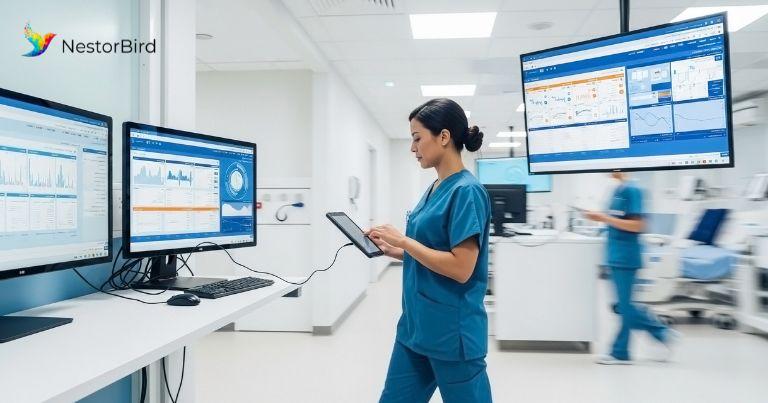
Healthcare organizations are constantly looking for ways to improve their efficiency, streamline operations, and provide better patient care. One of the most effective solutions to these challenges is Enterprise Resource Planning (ERP) software. ERP systems integrate various functions of a healthcare organization into a single, unified platform, helping providers manage everything from patient information to financial transactions.
In this blog, we’ll explore how ERP software is reshaping healthcare management, the specific benefits it brings to healthcare providers, and why it’s becoming an essential tool for modern healthcare organizations.
What is ERP Software?
ERP (Enterprise Resource Planning) software is a suite of integrated applications that streamline business processes within an organization. For healthcare ERP systems are specifically designed to handle a variety of tasks such as managing patient records, billing, inventory, human resources, and compliance. The goal is to enhance efficiency, reduce errors, and improve decision-making across the entire healthcare organization.
Core Features of ERP Software in Healthcare
ERP software comes with several modules that are particularly useful for healthcare organizations. These modules address the unique needs of hospitals, clinics, and other medical facilities.
-
Patient Management
ERP systems provide a centralized database for managing patient records. This includes tracking patient histories, diagnoses, treatments, and appointments. Real-time access to this information improves the quality of care and reduces the chance of errors. -
Billing and Financial Management
Managing the financial side of healthcare can be complex due to insurance claims, billing codes, and payment cycles. ERP systems streamline this by automating billing, insurance claims processing, and generating financial reports, leading to faster payments and fewer errors. -
Inventory and Supply Chain Management
Managing medical supplies and equipment is crucial for healthcare organizations. ERP systems track stock levels, automate reordering, and help prevent both overstocking and stockouts. This leads to significant cost savings and ensures the organization always has the necessary supplies on hand. -
Human Resources and Workforce Management
ERP solutions help healthcare organizations manage their workforce more efficiently. From staff scheduling to payroll and performance reviews, ERP systems automate these processes, ensuring that the right staff are available when needed and that administrative tasks are handled efficiently. -
Compliance and Reporting
Healthcare organizations must comply with a range of regulations, including privacy laws and healthcare standards. ERP software automates compliance-related tasks, ensures accurate recordkeeping, and helps generate reports needed for audits, all while reducing the risk of regulatory violations. -
Analytics and Decision Support
ERP systems collect data across various departments and provide powerful analytics tools. Healthcare managers can use this data to make better decisions about resource allocation, patient care, and overall operational strategy.
Benefits of ERP Software for Healthcare
Adopting Healthcare ERP software offers several advantages to healthcare organizations. These benefits extend beyond just operational efficiency, improving the overall quality of patient care and supporting sustainable growth.
1. Improved Efficiency
By automating administrative processes like billing, inventory management, and scheduling, ERP software significantly reduces the time and effort required to manage these tasks. This allows staff to focus on more critical tasks, like direct patient care.
2. Better Patient Care
With real-time access to patient information, healthcare providers can make more informed decisions. Whether it's reviewing medical history, tracking treatments, or coordinating with other departments, ERP systems ensure that patient data is always up-to-date and accessible.
3. Cost Reduction
ERP systems help reduce operational costs in several ways. By optimizing inventory, automating financial processes, and improving staff scheduling, healthcare organizations can cut down on waste and reduce overhead. Additionally, accurate billing and faster claims processing can improve cash flow.
4. Data-Driven Decision Making
ERP software generates valuable insights from collected data, which healthcare leaders can use to make informed, data-driven decisions. Whether it’s understanding patient trends, financial performance, or resource needs, having access to real-time analytics helps improve operational outcomes.
5. Regulatory Compliance
Compliance with healthcare regulations is a constant challenge. ERP software automates the generation of reports, maintains accurate records, and tracks compliance activities, making it easier for healthcare organizations to meet regulatory requirements and avoid costly penalties.
6. Enhanced Collaboration
With an integrated system, departments such as nursing, pharmacy, billing, and administration can easily share information. This promotes better collaboration and coordination, which ultimately leads to more streamlined patient care and fewer errors.
Challenges of Implementing ERP in Healthcare
While ERP software offers significant benefits, there are also some challenges to consider before making the switch:
-
Implementation Costs: Setting up an ERP system requires an initial investment for the software, customization, training, and potential system integrations. However, the long-term benefits often outweigh these costs.
-
Integration with Existing Systems: Many healthcare organizations already use legacy systems that may not easily integrate with new ERP solutions. A successful implementation may require extensive planning and support from IT professionals to ensure smooth integration.
-
Training and Adoption: Staff may need time to adjust to the new system. A comprehensive training program is crucial to ensure smooth adoption and minimize disruption to daily operations.
Conclusion: The Future of Healthcare with ERP Software
Healthcare ERP software is rapidly becoming a vital tool for healthcare organizations looking to stay competitive and improve patient outcomes. With its ability to integrate various operations, streamline workflows, and provide valuable insights, ERP systems are essential for modernizing healthcare management.
As healthcare continues to evolve, organizations must invest in technology that supports their mission to provide high-quality care while reducing costs and improving operational efficiency. ERP software is one of the most powerful tools available to healthcare providers, offering long-term value for both administrators and patients.
By implementing ERP software for healthcare organizations can move toward a more efficient, patient-centered future—one that is not only sustainable but also better equipped to handle the challenges of tomorrow.



Comments